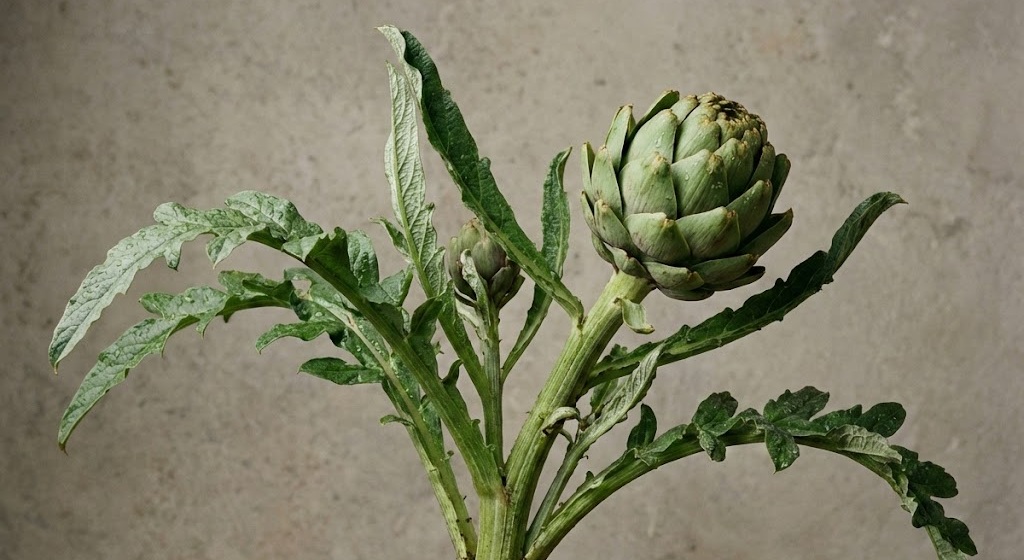

Protecting artichokes from biological threats requires a proactive and observant approach to garden management. Because of their large size and dense foliage, these plants can harbor a variety of hidden pests and pathogens. You must learn to recognize the subtle early signs of trouble before they escalate into a major infestation. A professional integrated pest management strategy is the best way to ensure a healthy and productive crop.
Fungal diseases are among the most common issues faced by artichoke growers, particularly in humid climates. You should watch for white, powdery spots on the leaves, which are the hallmark of powdery mildew. This fungus can spread rapidly, reducing the plant’s ability to photosynthesize and ultimately weakening the entire structure. Improving airflow through proper spacing and pruning is your first line of defense against these airborne spores.
Root rot is another significant concern, especially in heavy soils with poor drainage. You might notice the plant wilting even when the soil is wet, or a general lack of vigor in the new growth. Inspecting the base of the plant for soft, discolored tissue can confirm the presence of soil-borne pathogens. Preventing waterlogged conditions is essential to keep the root system healthy and resilient against these types of infections.
Bacterial issues can also arise, often manifesting as dark, water-soaked lesions on the leaves or stems. You should remove and destroy any infected plant parts immediately to prevent the bacteria from spreading through water splashes. Using sanitized tools when pruning or harvesting is a critical step in maintaining a clean garden environment. A healthy plant with a strong immune system is much less likely to fall victim to these bacterial invaders.
Common insect pests and their management
Aphids are frequent visitors to artichoke plants, often clustering on the undersides of leaves or within the folds of the buds. You should monitor your plants regularly, looking for the sticky “honeydew” they excrete or the presence of ants, which often tend to them. A strong blast of water from a hose can be an effective way to physically remove them without using chemicals. For more persistent infestations, insecticidal soaps or neem oil can be used as targeted treatments.
More articles on this topic
Slugs and snails are particularly fond of the tender leaves and developing buds of young artichoke plants. You can identify their presence by the characteristic silvery trails they leave behind on the foliage. Using organic baits or creating physical barriers like copper tape can help protect your crop from these nocturnal feeders. Removing garden debris and tall grass around the artichoke bed will also eliminate their favorite hiding spots.
Artichoke plume moths are specialized pests that can cause significant damage to the edible buds. The larvae tunnel into the stalks and flower heads, making them unmarketable and prone to secondary rot. You should look for small holes in the bracts and the presence of frass, which indicates an active infestation. Pheromone traps and the removal of infected plant parts are effective ways to manage the population of these moths.
Spider mites can become a problem during hot, dry periods when the plants are already under stress. You might notice fine webbing between the leaves and a mottled, yellow appearance on the foliage. Increasing the local humidity and keeping the plants well-hydrated can help deter these tiny arachnids. If the problem persists, a light application of horticultural oil can be used to suffocate the mites while minimizing harm to beneficial insects.
Preventative measures and garden hygiene
The best way to manage diseases and pests is to prevent them from becoming established in the first place. You should always start with healthy, disease-free planting material from a reputable source. Maintaining a clean garden environment by removing fallen leaves and old plant debris is a simple but effective strategy. These materials can often harbor overwintering pests and fungal spores that will re-emerge in the spring.
More articles on this topic
Crop rotation is a powerful tool for breaking the lifecycle of soil-borne pathogens and specialized pests. You should avoid planting artichokes in the same spot where other members of the thistle family have recently grown. This practice forces pests to find a new habitat and prevents the buildup of specific diseases in the soil. Even a small change in location can make a significant difference in the health of your perennial patch.
Sanitizing your tools is a professional habit that prevents the cross-contamination of different areas of your garden. You should clean your shears and knives with an alcohol solution or a mild bleach mixture between plants. This is especially important when you are working with plants that show any signs of illness. A few seconds of cleaning can save you from spreading a localized problem across your entire crop.
Encouraging biodiversity in your garden can create a natural balance that keeps pest populations in check. You should plant flowers and herbs that attract predatory insects like ladybugs, lacewings, and hoverflies. These beneficial insects will hunt and consume many of the pests that threaten your artichokes. A healthy, diverse ecosystem is often the most resilient and easiest to manage in the long run.
Biological and organic controls
When an intervention is necessary, you should prioritize biological and organic solutions that have a minimal impact on the environment. Using Bacillus thuringiensis (Bt) is a highly effective and targeted way to manage caterpillar populations, including the larvae of various moths. This naturally occurring bacterium affects the digestive system of the pests but is harmless to humans and beneficial insects. Applying it during the evening will protect it from UV degradation.
Beneficial nematodes can be added to the soil to control ground-dwelling pests like root-feeding larvae and certain types of grubs. You should apply these microscopic organisms during a cool, damp evening for the best survival rates. Once established, they will actively hunt and destroy the pests that can damage the root system of your artichokes. This “living” solution provides long-term protection without the need for synthetic chemicals.
Botanical sprays like garlic or chili infusions can act as effective repellents for many soft-bodied insects. You can easily make these at home and apply them to the foliage as a preventative measure. These natural compounds interfere with the pests’ ability to feed and reproduce, making your plants less attractive to them. Regular applications are usually needed, especially after rain, to maintain their effectiveness.
Sticky traps and physical barriers are simple yet effective tools for monitoring and managing pest activity. You can use yellow sticky cards to detect the arrival of flying insects like aphids or whiteflies early in the season. Floating row covers can provide a physical shield for young plants, preventing pests from reaching them during their most vulnerable stage. These mechanical controls are an essential part of a professional and sustainable garden plan.
Environmental impact on plant health
The physical environment plays a massive role in determining how susceptible an artichoke is to disease and pests. You should ensure that your plants are not under unnecessary stress from drought, heat, or poor nutrition. Stress weakens the plant’s natural defenses, making it an easy target for opportunistic pathogens and insects. Providing a stable and supportive growing environment is the foundation of any health management plan.
Air circulation is one of the most underrated factors in preventing fungal outbreaks within the dense artichoke foliage. You must space your plants adequately to allow the wind to move through the leaves and dry out any trapped moisture. In regions with high humidity, this becomes even more critical for the survival of the crop. A well-ventilated garden is naturally less prone to the stagnant conditions that favor many diseases.
Soil health is directly linked to the plant’s ability to produce the complex compounds it needs for defense. You should focus on building a rich, microbial-active soil that supports a robust root system. Plants grown in high-quality soil are often naturally more resistant to pests and can recover more quickly from any minor damage. Investing in your soil is a long-term strategy for a healthier and more productive garden.
Observation is the final and most important tool in your arsenal for managing garden health. You should make it a habit to walk through your artichoke patch daily and look closely at the foliage and stems. Catching a problem when it only affects a single leaf or plant makes it much easier to manage. A professional grower is always in tune with the subtle changes in their garden’s appearance and health.