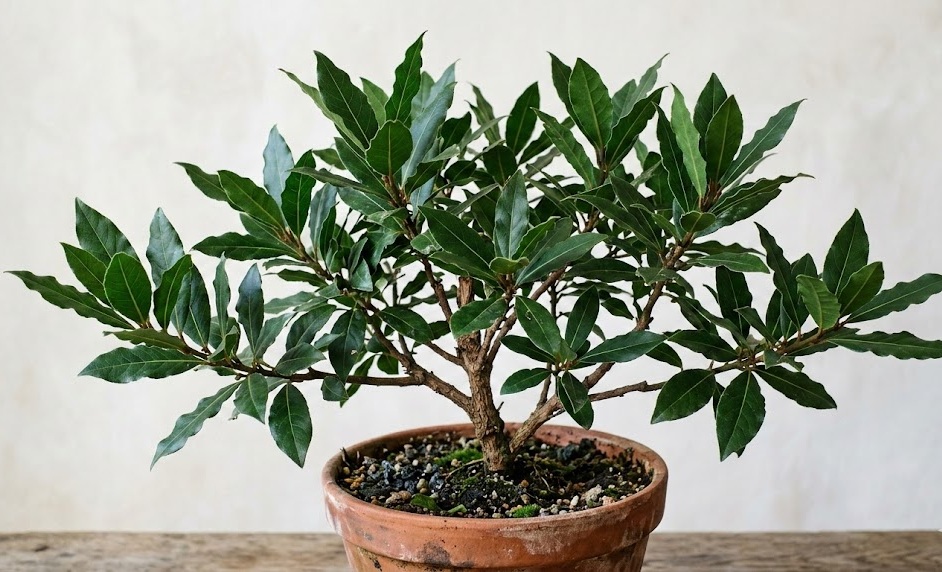

Success with bay laurel starts long before the plant is actually in the ground, beginning with the selection of a prime location. This evergreen shrub is quite particular about its initial environment, requiring a spot that balances light and protection perfectly. You should look for an area that receives ample morning sunlight but remains shielded from the most intense afternoon rays. A well-chosen site ensures that the plant establishes a strong root system without unnecessary environmental stress.
Soil preparation is the next critical step in the planting process to ensure the laurel has a healthy start. The earth should be dug over thoroughly to break up any large clumps and improve the overall aeration. Mixing in organic matter like well-composted leaves or aged manure will provide the essential nutrients for early growth. If your soil is heavy clay, consider adding grit or sharp sand to enhance the drainage capabilities of the site.
The actual act of planting requires careful handling of the root ball to avoid any physical damage to the plant. You should dig a hole that is twice as wide as the pot but no deeper than the current soil level of the plant. Placing the laurel too deep in the hole can lead to stem rot, which is a common mistake among novice gardeners. Once positioned, backfill the hole gently and firm the soil down with your hands to remove any air pockets.
After the laurel is safely in the ground, immediate aftercare is vital for its successful establishment in the garden. You must water the plant thoroughly to settle the soil around the roots and provide much-needed hydration. Adding a thin layer of mulch around the base will help retain this moisture and keep the soil temperature stable. Monitor the plant closely for the first few weeks, ensuring it does not dry out while it adapts to its new home.
Choosing the right spot
When scouting for a location, consider the ultimate size and shape of the mature bay laurel tree. Although they are slow-growing, these shrubs can eventually reach significant heights if they are not regularly pruned. Ensure there is enough vertical and horizontal space so the plant does not crowd its neighbors or obstruct pathways. A location that allows for good air movement will also help prevent common foliage diseases from taking hold.
More articles on this topic
The proximity to structures like walls or fences can provide a beneficial microclimate for your laurel. These surfaces often absorb heat during the day and release it slowly at night, which can protect the plant from light frosts. However, be cautious not to plant too close to a foundation, as the roots need space to expand naturally. A distance of at least one meter from any permanent structure is usually sufficient for a young plant.
Consider the drainage patterns of your garden, especially during periods of heavy or prolonged rainfall. Avoid low spots where water tends to collect and stand, as bay laurel roots are highly sensitive to “wet feet.” If your garden is naturally damp, you might want to consider planting on a slight mound or in a raised bed. Proper drainage is perhaps the most important factor in preventing the dreaded root rot that kills many laurels.
The visual aspect of the placement is also important for the overall design and aesthetic of your outdoor space. Bay laurel makes an excellent focal point or a structured background for smaller, colorful flowering plants. Its dark, glossy leaves provide a beautiful contrast to silver-leaved Mediterranean herbs like lavender or rosemary. Thinking about the composition of your garden will help you place the laurel where it can be most appreciated.
The planting process
Before removing the laurel from its nursery pot, give it a thorough watering to make the root ball easier to handle. Gently squeeze the sides of the pot to loosen the soil and slide the plant out without pulling on the main stem. If the roots are circling the base of the pot, use your fingers to carefully tease them outward. This encourages the roots to grow into the surrounding soil rather than continuing to grow in a circle.
More articles on this topic
Place the plant in the center of the prepared hole and check its level relative to the surrounding ground. It is often helpful to lay a garden tool across the hole to ensure the soil line of the plant matches the garden surface. If the plant is sitting too low, add some of the excavated soil back into the bottom of the hole. Getting the depth right at this stage is crucial for the long-term health and stability of the shrub.
As you backfill the hole, try to use the same soil that was removed, perhaps enriched with just a small amount of compost. Avoid using high-strength fertilizers in the planting hole, as these can burn the sensitive new roots. Tamp the soil down firmly but avoid compacting it so much that water cannot penetrate the surface. Creating a small “basin” or depression around the stem can help direct water straight to the root zone.
The final step is to apply a supportive stake if the laurel is particularly tall or if the area is prone to wind. Secure the stem to the stake using a soft tie that will not cut into the bark as the plant grows. This support should only be necessary for the first year or two until the roots are firmly anchored. Once the planting is complete, a final deep watering will help the laurel begin its journey in your garden.
Propagation by cuttings
Taking semi-ripe cuttings is the most common and reliable way to multiply your collection of bay laurel plants. This process is best done in late summer or early autumn when the current year’s growth is starting to firm up. Look for healthy, pest-free shoots that are about ten to fifteen centimeters in length for the best results. Use a sharp, clean knife to make a clean cut just below a leaf node to encourage root formation.
Prepare the cuttings by removing the lower leaves, leaving only two or three at the very top of the stem. If the remaining leaves are very large, you can cut them in half horizontally to reduce moisture loss through transpiration. Dipping the base of the cutting into a rooting hormone powder can significantly increase the chances of successful rooting. This hormone provides the chemical signal the plant needs to start producing new roots instead of leaves.
Insert the prepared cuttings into a pot filled with a gritty, well-draining propagation mix. A blend of perlite and peat substitute works well because it stays moist without becoming waterlogged or heavy. Place the pot in a warm, bright spot but away from direct sunlight, which could scorch the fragile cuttings. Covering the pot with a clear plastic bag can create a humid mini-greenhouse effect that supports the rooting process.
Be patient, as bay laurel cuttings can take several months to develop a functional and strong root system. Check the moisture level regularly and mist the foliage occasionally to keep the humidity high inside the plastic cover. Once you see new growth appearing or feel resistance when you gently tug on the cutting, rooting has likely occurred. You can then begin to acclimate the young plants to the open air before potting them up individually.
Propagation by seeds and layering
Growing bay laurel from seed is a slower process but can be a very rewarding challenge for an experienced gardener. The seeds are typically found inside the small black berries that appear on female trees after flowering. You must remove the fleshy outer coating of the berry before sowing, as it contains natural inhibitors that prevent germination. Fresh seeds have the highest success rate, so try to sow them as soon as they are harvested.
Sow the seeds in a deep tray filled with a high-quality seed-starting compost and cover them lightly with soil. They require a consistent temperature of around 20 degrees Celsius to germinate, which can take anywhere from one to six months. Keep the soil consistently moist but never saturated to avoid the seeds rotting before they can sprout. Once the seedlings have developed two sets of true leaves, they can be carefully moved to their own small pots.
Air layering is another technique that can be used on older, established bay laurel trees with low-hanging branches. This involves wounding a small section of a branch and wrapping it in damp moss and plastic to encourage roots to grow. Because the branch remains attached to the parent plant, it continues to receive nutrients while the new roots are forming. After several months, once a thick mass of roots is visible, the branch can be cut and planted independently.
Simple layering is a variation where a flexible branch is bent down to the ground and partially buried in the soil. You can use a U-shaped wire or a heavy stone to keep the branch in contact with the earth. Over time, roots will develop at the point where the branch is buried, creating a clone of the parent. This is often the easiest method for home gardeners because it requires very little specialized equipment or constant monitoring.