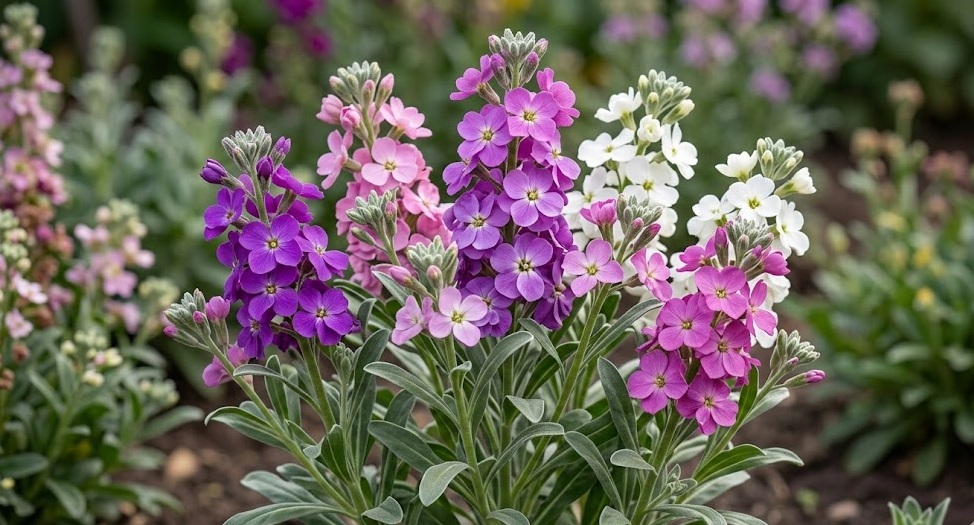

Mastering the hydration and nutritional needs of hoary stock is essential for producing the dense, fragrant flower spikes that define the species. These plants have specific metabolic requirements that change throughout their lifecycle, from the rapid growth of spring to the peak blooming period of summer. Water and nutrients must be delivered in a balanced way to prevent physiological stress and maximize aesthetic output. A professional approach to these tasks ensures that your plants remain vigorous and beautiful even during challenging weather conditions.
Precision watering techniques for garden health
Proper hydration begins with understanding the rhythm of the soil and the atmospheric demand for moisture. You should aim to water your hoary stock early in the morning, which allows the foliage to dry before the sun becomes too intense. This timing also ensures that the plant has a full reservoir of water to draw from during the heat of the day. Avoid watering in the late evening, as damp leaves overnight can become a breeding ground for fungal spores.
The method of delivery is just as important as the timing when it comes to maintaining plant health. You should apply water directly to the base of the plant using a soaker hose or a watering can with a long spout. This technique keeps the flowers and leaves dry, which is crucial for preventing diseases and preserving the delicate scent of the blooms. Overhead irrigation should be avoided whenever possible, as it can also cause the heavy flower spikes to topple over.
Depth of watering is a key factor in encouraging a resilient and deep-reaching root system. You should water deeply and less frequently rather than providing shallow daily sprinkles that only wet the surface. Deep watering encourages the roots to grow downward into the cooler, moister layers of the soil where they are protected from surface heat. A well-established root system is your plant’s best insurance policy against temporary drought or extreme temperatures.
Monitoring the soil moisture level should be a daily habit for any serious gardener during the growing season. You can use your finger to check the moisture a few centimeters below the surface or invest in a simple digital moisture meter. If the soil feels dry at a depth of three to five centimeters, it is time to provide a thorough soaking. Consistency is the goal, as fluctuating moisture levels can lead to physiological disorders like stem cracking or bud drop.
More articles on this topic
Nutrient management and fertilization strategies
Providing the right nutrients at the right time is the fuel that powers the spectacular growth of hoary stock. You should begin the season with a balanced, slow-release fertilizer that provides a steady supply of nitrogen, phosphorus, and potassium. Nitrogen supports the development of lush, green foliage, while phosphorus is essential for strong root systems and abundant flowering. Potassium helps with overall plant hardiness and water regulation within the cellular structure.
As the plant transitions from vegetative growth to flower production, you should adjust the nutritional balance. A fertilizer with a higher phosphorus content, often labeled as a “bloom booster,” can be applied every two to three weeks. This encourages the plant to direct its energy into creating large, fragrant flower spikes rather than just more leaves. Always follow the manufacturer’s instructions to avoid over-fertilization, which can do more harm than good.
Micronutrients like magnesium and iron also play a vital role in maintaining the professional appearance of your plants. You should look for signs of deficiency, such as yellowing between the leaf veins, which may indicate a need for supplemental minerals. Chelated mineral sprays can be used for a quick fix, as they are absorbed directly through the leaves. However, maintaining a healthy soil pH is the most effective way to ensure these elements remain naturally available to the plant.
Organic fertilizers, such as well-rotted manure or seaweed extracts, offer a more holistic approach to plant nutrition. These materials improve the soil structure and support beneficial microbial life while providing a wide array of trace elements. Many professional growers prefer organic options because they reduce the risk of chemical burns and contribute to long-term soil health. Integrating both organic and mineral fertilizers can often yield the best results for demanding ornamental species.
More articles on this topic
Managing water quality and chemical balance
The quality of the water you use can have a significant impact on the long-term health of your garden beds. You should be aware of the mineral content and pH of your local tap water, as high levels of chlorine or salts can build up in the soil over time. Rainwater is the ideal choice for most plants, as it is naturally soft and slightly acidic. Installing a rain barrel is a simple and sustainable way to provide the best possible hydration for your hoary stock.
If you must use treated tap water, letting it sit in an open container for 24 hours can help some of the chlorine dissipate. You should also be careful with water that has been through a home softening system, as it often contains high levels of sodium. Excess sodium can interfere with the plant’s ability to take up other essential nutrients and can eventually damage the soil structure. Being mindful of these chemical details is a hallmark of an expert horticulturalist.
The interaction between watering and fertilization is a critical aspect of nutrient delivery. You should always water your plants thoroughly before and after applying granular fertilizers to help dissolve the nutrients and move them into the root zone. Applying fertilizer to bone-dry soil can cause chemical burns to the sensitive root hairs. This “sandwich” method of watering ensures that the nutrients are delivered safely and effectively.
Mulching is a professional technique that bridges the gap between watering and fertilization. A good layer of organic mulch helps retain soil moisture, reducing the frequency of watering and preventing the leaching of nutrients during heavy rain. As the mulch breaks down, it also adds a slow, steady stream of organic matter back into the ground. It is an essential component of a low-maintenance, high-performance garden system for hoary stock.
Troubleshooting hydration and nutritional issues
Recognizing the early signs of water stress can prevent permanent damage to your floral display. Wilting is the most obvious sign, but you should also look for a dulling of the leaf color or a slight curling of the leaf edges. If the plant does not recover quickly after watering, it may have been dry for too long, leading to root death. In such cases, a light pruning and extra care may be needed to help the plant regenerate.
Overwatering is just as dangerous as drought and often more difficult to diagnose until it is too late. Signs of excess moisture include yellowing lower leaves, a mushy stem base, or a persistent foul odor from the soil. If you suspect overwatering, you should stop irrigation immediately and try to improve the drainage around the plant. In extreme cases, you may need to lift the plant and replant it in fresher, drier soil to save the root system.
Nutrient toxicities can occur if too much fertilizer is applied, leading to “burned” leaf tips or stunted, distorted growth. If you realize you have over-fertilized, the best course of action is to flush the soil with large amounts of plain water. This helps to leach the excess salts away from the roots and dilute the concentration of nutrients. It is always better to under-fertilize and add more later than to risk the health of the plant with an overdose.
Maintaining a garden journal is a professional way to track your watering and fertilization schedule throughout the season. You can note the dates of application, the types of products used, and the plants’ response to different treatments. Over time, this data allows you to fine-tune your approach and develop a customized care plan for your specific environment. Expert gardening is often about the refinement of these small, repeatable actions.
Advanced techniques for peak performance
Foliar feeding is an advanced technique that can give your hoary stock an extra boost during the flowering season. This involves spraying a very dilute liquid fertilizer directly onto the leaves where it can be absorbed almost immediately. It is particularly effective for delivering micronutrients or providing a quick energy lift during periods of rapid growth. You should only perform foliar feeding in the early morning or on cloudy days to prevent leaf scorch.
The use of “fertigation” systems, which combine irrigation and fertilization, is becoming more popular among professional hobbyists. These systems allow for the precise delivery of water-soluble nutrients through a drip irrigation network. This ensures a constant, low-level supply of food and water, mimicking the most stable natural environments. While the initial setup requires more effort, the results in terms of plant health and flower quality are often superior.
Soil aeration is a simple but effective way to improve the efficiency of both watering and fertilization. You can use a garden fork to gently poke holes in the soil around the plants, especially if the surface has become crusted or compacted. This allows water and nutrients to penetrate more deeply and reach the active root zone more quickly. It also improves oxygen exchange, which is vital for the metabolic processes that drive growth.
Finally, always remember that the needs of your hoary stock are influenced by the surrounding plant community. Competition from weeds or nearby large shrubs can significantly reduce the amount of water and nutrients available to your flowers. Keeping the beds clean and well-maintained ensures that every drop of water and every grain of fertilizer goes exactly where it is needed. Success in the garden is the result of managing these interactions with a professional and observant eye.