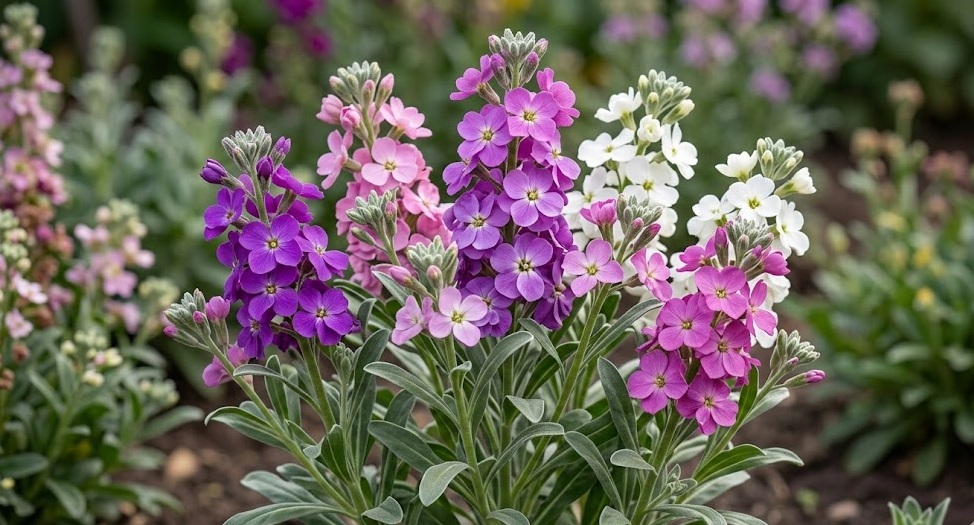

Growing hoary stock effectively requires a deep understanding of the plant’s unique climatic preferences and biological needs. This ornamental favorite is prized for its intoxicating evening fragrance and its sturdy, colorful flower spikes that brighten any garden landscape. Achieving professional results involves more than just basic gardening; it requires a systematic approach to environmental management and plant health. By following expert guidelines, you can ensure that these beautiful flowers thrive from the early spring through the heat of summer.
Establishing the ideal growth environment
Creating a stable foundation is the first step in ensuring the long-term health of your floral display. You should look for a location in your garden that offers protection from harsh, desiccating winds that can snap the woody stems. The soil should be prepared well in advance to ensure it has the structure needed to support a heavy blooming season. Professional gardeners often focus on the subtle balance between air circulation and thermal protection to prevent stagnant humidity around the foliage.
Temperature management is a critical component of the care routine for this specific species. These plants prefer the cooler temperatures of spring and early summer, often showing signs of stress when the thermometer stays consistently high. If you live in a region with intense afternoon heat, providing some dappled shade can extend the blooming period significantly. Monitoring local weather patterns allows you to anticipate shifts that might require temporary protective measures or adjustments in your daily maintenance.
The soil profile must be rich in organic matter to provide the steady supply of energy required for flower production. You should aim for a loamy texture that allows roots to expand easily without meeting excessive resistance or becoming waterlogged. Incorporating well-rotted compost or leaf mold into the site several weeks before planting improves the microbial activity within the ground. A healthy subterranean ecosystem translates directly to more vibrant colors and stronger scents in the blooms above.
Maintaining the right pH level is often overlooked by hobbyists but is vital for nutrient bioavailability. Hoary stock performs best in soil that is slightly alkaline to neutral, as this range facilitates the uptake of essential minerals. You can use simple testing kits to determine if your soil requires a light application of lime to correct acidity issues. Ensuring the chemical balance of the earth provides a stress-free environment where the plant can focus its energy on reproduction.
More articles on this topic
Soil quality and structural requirements
The physical structure of the soil determines how well the root system can anchor the tall flower spikes. You need to ensure that the earth is not too compacted, as tight soil restricts oxygen flow to the roots and prevents proper drainage. Deep tilling before the season begins helps to aerate the lower layers where the primary root mass will reside. Adding perlite or coarse sand can be a professional solution for heavy clay soils that tend to hold too much moisture.
Organic content plays a dual role in both nutrition and moisture retention throughout the growing season. High-quality humus acts like a sponge, holding onto water while simultaneously providing a slow-release source of nitrogen and carbon. You should regularly top-dress the area with a thin layer of organic mulch to replenish these resources as they are depleted. This practice also helps to suppress weed growth, which can compete with your plants for limited resources.
Drainage is perhaps the most significant factor in preventing root-related complications and ensuring plant vigor. These plants are particularly sensitive to “wet feet,” which can lead to rapid decline and secondary infections. Raised beds are an excellent choice for gardeners dealing with poor natural drainage or heavy rainfall zones. By elevating the planting area, you gain better control over the moisture levels and the overall temperature of the root zone.
The presence of beneficial mycorrhizal fungi can greatly enhance the resilience of your garden beds. These microscopic partners form symbiotic relationships with the roots, helping the plant absorb phosphorus and water more efficiently. You can introduce these fungi through specialized soil amendments during the initial preparation phase. Strengthening the biological network within the soil leads to a more robust plant that can withstand environmental fluctuations.
More articles on this topic
Microclimate considerations for optimal growth
Every garden has unique microclimates that can be harnessed to improve the performance of hoary stock. You should observe how sunlight moves across your property to identify the spots that receive the most beneficial morning rays. Areas near stone walls or fences often retain heat during the night, which can be helpful during the cooler start of the season. Understanding these small variations allows you to place your plants where they will be naturally most comfortable.
Humidity levels in the immediate vicinity of the plant significantly affect its respiratory and transpirational health. While they enjoy a certain amount of moisture, excessively high humidity can encourage the development of mildew and other foliar diseases. You should space the plants far enough apart to allow for a constant flow of fresh air between the leaves. Proper spacing is a simple yet effective professional technique to maintain a dry microclimate within the canopy.
Elevation within the garden can also play a role in how the plant experiences temperature and moisture. Low-lying areas often act as frost pockets in the spring and collect excess water during heavy storms. You should avoid these depressions when choosing a permanent home for your stock flowers. Selecting a slightly elevated or sloped position ensures that cool air and excess water move away from the sensitive root systems.
Wind protection is essential for maintaining the aesthetic integrity of the tall, heavy flower heads. While light breezes are beneficial for air exchange, strong gusts can cause physical damage or lead to rapid moisture loss from the leaves. You can create natural windbreaks using taller, sturdier plants or decorative garden structures. A well-protected plant will grow straighter and require less artificial support as it reaches its full height.
Companion planting for health and aesthetics
Choosing the right neighbors for your hoary stock can improve both the health of the garden and its visual appeal. Many gardeners pair them with low-growing perennials that cover the soil and keep the roots cool during the day. This layered approach mimics natural ecosystems and creates a more resilient plant community. It also provides a diverse habitat for beneficial insects that can help manage common garden pests.
Scented companions can be used to create a multi-layered olfactory experience in your outdoor space. Pairing stock with sweet alyssum or lavender creates a complex fragrance profile that changes throughout the day and evening. These combinations are particularly effective when planted near seating areas or windows where the scent can be fully appreciated. Professional landscape designers often use these pairings to create “sensory gardens” that engage more than just the eyes.
Avoid planting hoary stock near heavy feeders that might outcompete them for specific micronutrients. Fast-growing vegetables or large shrubs can quickly deplete the soil of the very elements that stock needs for flowering. You should look for companions with similar water and light requirements to simplify your overall maintenance routine. Harmonious planting ensures that every individual in the bed can reach its full genetic potential without undue stress.
The visual contrast between different leaf textures and flower shapes adds professional depth to your garden design. The soft, grayish foliage of the stock contrasts beautifully with the dark green, glossy leaves of other ornamental plants. You can use this contrast to highlight specific areas of the garden or to create a focal point within a larger border. Strategic planting turns a simple flower bed into a sophisticated horticultural composition.
Seasonal adjustments in care routines
As the season progresses from the cool dampness of spring to the dry heat of summer, your care strategy must evolve. Early in the year, the focus should be on protecting young plants from late frosts and ensuring they establish a strong root system. You may need to use horticultural fleece or cold frames if a sudden temperature drop is forecasted. Constant monitoring during this transition phase is the hallmark of an attentive and expert gardener.
During the peak of the summer, the primary challenge becomes heat management and moisture consistency. You will find that the plants require more frequent checks to ensure they aren’t wilting under the midday sun. Applying a thicker layer of mulch in June can help insulate the ground and slow down evaporation rates. Adjusting your activities to match the seasonal rhythm keeps the plants in a state of continuous growth.
When the main flowering period begins to wind down, you can influence how the plant allocates its remaining energy. Removing spent flower spikes prevents the plant from focusing on seed production and encourages secondary blooms. This process, known as deadheading, is vital for extending the decorative value of the stock into the late summer months. It keeps the plant looking tidy and prevents it from becoming prematurely leggy or exhausted.
As autumn approaches, the care routine shifts again toward preparing the site for the coming winter or for the next planting cycle. You should gradually reduce supplemental feeding to allow the plant tissues to harden off naturally. Removing any fallen debris from around the base of the plants prevents pathogens from overwintering in the soil. These final steps of the season are just as important as the initial planting for long-term garden health.
Container gardening for hoary stock
Growing hoary stock in pots and planters offers a level of control that is difficult to achieve in open ground. You can choose the exact soil mix and move the containers to follow the sun or escape the wind as needed. This flexibility makes them ideal for balconies, patios, or as movable accents within a larger garden. Using high-quality potting compost with added drainage material is essential for success in a confined volume.
The choice of container material affects the temperature and moisture stability of the root zone throughout the day. Terracotta pots allow the soil to breathe but dry out more quickly, while plastic or glazed ceramic retain moisture for longer periods. You should consider your local climate and how often you can provide water when selecting your vessels. Larger containers are generally easier to manage because they have a higher thermal mass and more water reserves.
Feeding container-grown plants requires a more frequent but lighter touch than those in the ground. Because the roots are limited to a small space, they can quickly use up the available nutrients in the potting mix. Using a diluted liquid fertilizer every two weeks provides a steady supply of minerals without risking salt buildup. Always ensure that the container has adequate drainage holes to prevent the accumulation of stagnant water at the bottom.
Seasonal rotation of your containers allows you to keep your most beautiful plants in the spotlight. You can move the stock to a prominent position when it is in full bloom and then shift it to a nursery area when it needs recovery. This dynamic approach to gardening keeps your outdoor living spaces looking fresh and vibrant all year round. It also allows you to experiment with different color combinations and arrangements without committing to a permanent planting.
Longevity and plant vitality tips
To maximize the lifespan of your hoary stock, you must prioritize the overall vigor of the plant from day one. A plant that is grown without significant stress will always be more resistant to environmental challenges and biological threats. You should avoid over-stimulating the plant with high-nitrogen fertilizers, which can lead to weak, sappy growth. Instead, focus on a balanced nutritional profile that supports both structural strength and reproductive success.
Observation is your most powerful tool in maintaining the vitality of your horticultural collection. Taking a few minutes each day to inspect the leaves and stems allows you to catch minor issues before they become major problems. Look for changes in leaf color, the presence of unusual spots, or a sudden loss of turgor pressure in the stems. Early intervention is almost always more effective and less invasive than trying to cure an established condition.
Quality of light is often more important than the quantity of light when it comes to long-term health. While these plants enjoy the sun, the harsh ultraviolet rays of mid-summer can sometimes bleach the flowers or damage the delicate leaf tissues. Providing some form of light filtration, such as a thin lattice or nearby tall grasses, can protect the plant during the most intense hours. This protection preserves the intensity of the flower colors and the overall health of the foliage.
Finally, remember that gardening is a continuous learning process that requires patience and adaptability. Each season brings new challenges in the form of weather anomalies or shifting pest populations. By keeping a simple garden journal, you can track what worked well and what needs adjustment for the next year. Sharing experiences with other professional growers and enthusiasts can also provide valuable insights into the specific needs of this beautiful species.