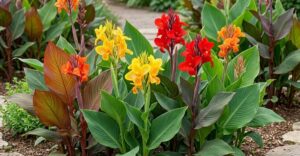
Establishing a successful colony of these flowers starts with understanding the specific environmental needs of the seeds and cuttings. The planting process requires a combination of precise timing and careful site selection to ensure vigorous initial growth. Whether starting from scratch or expanding an existing collection, the methods used will dictate the health of the mature plants. Following a professional protocol during the early stages of life sets the stage for a spectacular floral display.
Site selection and soil preparation
Choosing the right location in the garden is the most important decision a grower can make before planting. These flowers require a spot that receives ample sunlight for at least six to eight hours a day. Poor light conditions often lead to weak stems and a significant reduction in the number of blooms produced. The site should also be protected from strong, cold winds that can damage the delicate petals and foliage.
The soil at the chosen site must be tested for drainage capacity before any planting occurs. A simple test involves digging a small hole and filling it with water to see how quickly it disappears. If the water lingers for several hours, the area is likely too heavy and will need significant amendment. Adding gravel or expanded clay pellets can help create the necessary air pockets for healthy root respiration.
Once the physical structure of the soil is addressed, it is time to consider its nutritional content. Incorporating a light dusting of bone meal or a balanced organic fertilizer provides a good starting point for new roots. Avoid using fresh manure, as it can be too high in salts and may burn the sensitive young tissues. Rake the surface until it is smooth and free of large clumps or stones that might obstruct growth.
Final preparation involves clearing the area of any existing weeds or grass that might compete with the new plants. This ensures that the young flowers have exclusive access to the water and nutrients in their immediate vicinity. Leveling the ground also prevents water from pooling in certain spots, which could lead to localized drainage issues. A well-prepared bed is the hallmark of a professional approach to ornamental gardening and landscape design.
More articles on this topic
Sowing seeds for success
Growing these flowers from seed is a cost-effective and rewarding way to fill large areas of the garden. Seeds can be started indoors about six to eight weeks before the last expected frost date in your area. Use a high-quality seed-starting mix that is sterile and fine-textured to encourage easy germination. Lightly press the seeds into the surface of the soil, as they require some light to trigger the growing process.
Maintaining a consistent temperature of around sixty-five to seventy degrees Fahrenheit is ideal for most varieties. A heat mat can be used to provide bottom warmth, which often speeds up the germination time significantly. Keep the soil surface consistently moist but never dripping wet by using a fine misting bottle. Covering the trays with a clear plastic dome helps retain humidity during the critical first few days of life.
Once the seedlings emerge and develop their first set of true leaves, they need plenty of bright light. Move the trays to a sunny windowsill or place them under specialized grow lights for about twelve hours a day. It is important to thin the seedlings if they are growing too close together to prevent them from becoming spindly. This selection process ensures that only the strongest individuals are eventually moved out into the garden beds.
Hardening off the young plants is a vital step that should never be skipped by the serious gardener. Gradually expose the seedlings to outdoor conditions over a period of seven to ten days before permanent transplanting. Start with an hour or two in a sheltered, shady spot and slowly increase the time and sun exposure. This process toughens the leaf cuticles and prepares the root systems for the stresses of the open environment.
More articles on this topic
Propagation through cuttings and division
For those who wish to replicate a specific variety, taking stem cuttings is a highly effective propagation method. This should ideally be done in late summer when the plant has plenty of healthy, non-flowering shoots. Select a firm stem and cut a piece about three to four inches long just below a leaf node. Removing the lower leaves reduces moisture loss while the cutting focuses its energy on developing new roots.
The prepared cuttings should be dipped into a rooting hormone powder to increase the chances of successful establishment. Place them into a pot filled with a moist mixture of peat moss and perlite for optimal aeration. Keeping the pot in a warm, bright area out of direct sunlight helps prevent the cuttings from wilting too quickly. Within a few weeks, new growth should indicate that the roots have successfully formed in the medium.
Division is another common technique used to rejuvenate older clumps and expand the garden footprint. This is best performed in the early spring just as the new growth begins to emerge from the crown. Carefully lift the entire plant from the ground using a garden fork to minimize damage to the root ball. Use a sharp knife or spade to split the clump into smaller sections, ensuring each has healthy roots and shoots.
Replant the new divisions immediately into prepared soil and water them thoroughly to settle the earth. This method is particularly useful for maintaining the vigor of plants that have become too dense or woody over time. It also allows the gardener to share their favorite varieties with friends or move them to different parts of the landscape. Systematic propagation ensures a continuous supply of healthy plants without the need for constant purchasing from nurseries.
Transplanting into the garden
The actual process of moving plants into their final home requires a gentle touch and careful attention to detail. Dig a hole that is twice as wide as the root ball but no deeper than the original container. Placing the plant at the correct depth is crucial for preventing crown rot and ensuring stability. If the roots are tightly bound, gently tease them outward to encourage them to explore the surrounding garden soil.
Fill the space around the root ball with a mixture of native soil and a small amount of finished compost. Firm the earth down gently with your hands to remove any large air pockets that could dry out the roots. Avoid stepping on the soil directly around the plant, as this can cause excessive compaction and hinder water penetration. Proper positioning at this stage dictates the long-term structural integrity of the mature specimen.
Immediately after transplanting, the area should be watered deeply to help the plant recover from the shock of the move. A liquid seaweed solution can be added to the water to provide a boost of minerals and reduce transplant stress. Monitor the moisture levels daily for the first two weeks, as the roots are not yet able to pull water from the deeper soil. Once established, the frequency of watering can be gradually reduced to a more standard garden schedule.
Success in planting and propagation is the result of patience and adherence to proven horticultural principles. Each step, from choosing the site to the final transplanting, contributes to the overall health of the garden. By mastering these techniques, any gardener can enjoy a professional-level display of these classic and charming flowers. The effort invested during these early stages pays off in a vibrant and resilient landscape that lasts for years.