
Mastering the art of watering
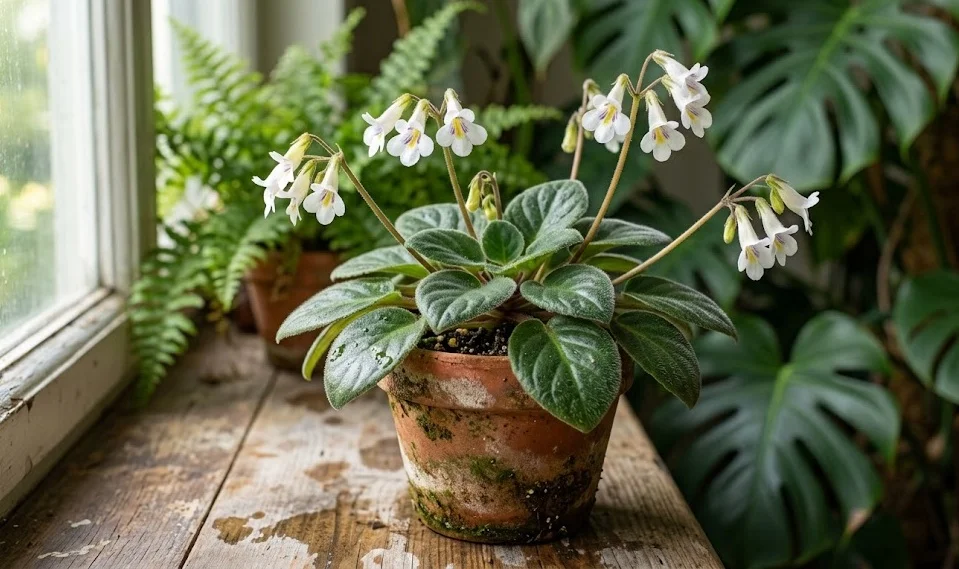
Watering is perhaps the most frequent task you will perform, yet it is often where most mistakes happen. The vietnamese primrose prefers its soil to stay consistently moist but never saturated or soggy. You should always check the top centimeter of the soil with your finger before deciding to add water. If the surface feels dry to the touch, it is usually the right time to give the plant a drink.
The most professional way to water these plants is from the bottom to protect the delicate crown. You can place the pot in a shallow dish of water and let it soak up the moisture for about twenty minutes. After the top of the soil feels damp, remove the pot and let the excess water drain away completely. This method prevents water from getting trapped in the center of the rosette, which can lead to rot.
If you prefer to water from the top, use a watering can with a long, narrow spout to reach under the leaves. You must be extremely careful not to get any water on the foliage or the flowers during this process. Droplets can cause unsightly brown spots and may encourage fungal growth in the humid microclimate around the plant. Precision is the key to maintaining a healthy and beautiful specimen over the long term.
The quality of the water you use can also impact the health of your primrose over time. Tap water often contains chlorine and minerals that can build up in the soil and damage the roots. If possible, use filtered water or let tap water sit out for twenty-four hours before using it. Rainwater is also an excellent choice, as it is naturally soft and free of harsh chemicals.
Factors influencing water frequency
Several environmental factors will determine how often your plant needs to be watered throughout the month. During the summer heat, evaporation happens much faster, and the plant’s metabolism is at its peak. You might find yourself watering every three to four days during the height of the growing season. Always stay observant, as the plant’s needs can change rapidly with the weather.
More articles on this topic
In contrast, the cool and dark days of winter significantly reduce the plant’s demand for hydration. The soil will take much longer to dry out, and overwatering becomes a much higher risk for the grower. You might only need to water once every two weeks during the coldest months of the year. It is better to let the plant get a little too dry than to keep it constantly wet in winter.
The size and material of the pot also play a major role in how moisture is retained in the root zone. Small pots dry out much faster than larger ones because they have less soil volume to hold water. As mentioned before, terracotta pots allow for faster evaporation through their porous walls compared to plastic ones. Understanding these dynamics helps you create a more predictable and successful watering routine.
Humidity levels in the room will also affect the rate at which the soil loses moisture to the air. In a very humid environment, the plant transpires less and the soil stays damp for a longer period. Conversely, if you use air conditioning or heating, the dry air will pull moisture from the pot very quickly. Regularly monitoring your home’s humidity can help you anticipate when your plants will need water.
Nutrient requirements and fertilization
To keep your vietnamese primrose blooming and vibrant, you must provide a steady supply of essential nutrients. These plants are relatively light feeders, but they do benefit from regular fertilization during the growing season. A balanced, water-soluble fertilizer specifically formulated for African violets is usually the best choice. You should look for a formula that contains equal parts nitrogen, phosphorus, and potassium.
More articles on this topic
Professional growers often recommend the “constant feed” method, which involves using a very weak fertilizer solution every time you water. You should dilute the fertilizer to about one-quarter of the strength recommended on the product label. This provides the plant with a consistent and gentle stream of nutrients without the risk of salt buildup. It mimics the way plants receive nutrients in their natural forest floor environment.
Never apply fertilizer to a plant that is completely dry, as this can cause the concentrated salts to burn the roots. You should always ensure the soil is slightly damp before you use any nutrient solution in the pot. If the plant is stressed by heat or disease, it is best to stop fertilizing until it has fully recovered. Fertilization is a tool for growth, not a cure for a struggling or sick plant.
During the winter months, it is standard practice to stop all fertilization to allow the plant to rest naturally. Forcing a plant to grow when light levels are low can result in weak, leggy growth that is prone to pests. You can resume your feeding schedule in the spring when you see the first signs of vigorous new leaves. This seasonal approach keeps the plant’s life cycle in balance with its environment.
Identifying and correcting nutrient issues
Monitoring the appearance of the leaves can give you valuable clues about the nutrient status of your plant. If the new leaves are pale or yellow while the veins stay green, the plant might be suffering from a lack of iron. On the other hand, a general yellowing of the older leaves often indicates a nitrogen deficiency. Learning to read these visual signals is an essential skill for any serious indoor gardener.
Excessive fertilization can be just as harmful as a lack of nutrients and is often harder to correct. You might see a white, crusty buildup of salts on the surface of the soil or around the rim of the pot. If this happens, you should flush the soil with plenty of clear, filtered water to wash away the excess salts. This “leaching” process helps reset the soil environment and protects the roots from chemical burns.
Over-fertilized plants sometimes produce distorted leaves or have very brittle foliage that breaks at the slightest touch. They may also stop blooming entirely because they are focusing all their energy on excessive leaf production. If you suspect you have been over-feeding, stop all fertilization for several weeks and observe the new growth. Most plants will recover once the nutrient levels in the soil return to a healthy range.
The pH of the soil also affects how well the plant can absorb the nutrients you are providing. If the soil becomes too acidic or too alkaline, certain elements become “locked” and unavailable to the roots. Using a high-quality potting mix and checking the pH occasionally can prevent these invisible problems. A healthy root system in the right soil is the foundation for a stunningly beautiful primrose.
Seasonal adjustments to feeding and hydration
As the light levels increase in the spring, the plant’s demand for both water and nutrients will rise. You will notice the soil drying out faster and the plant producing many new flower buds at the center. This is the time to be very consistent with your care to support all that new energy. A well-fed plant in spring will provide a much more impressive display of flowers in the summer.
Throughout the summer, you should maintain your regular schedule but stay alert for signs of heat stress. If the plant wilts even when the soil is damp, it is a sign that the roots cannot keep up with the evaporation. In this case, increasing the humidity and moving the plant to a cooler spot is more effective than more water. Balance is always more important than intensity when it comes to caring for delicate tropical species.
In the autumn, you should gradually reduce the strength and frequency of your fertilizer applications. The goal is to slowly ease the plant into its winter resting phase without any sudden shocks to its system. You will also notice that you need to water less often as the days grow shorter and the air becomes cooler. Listen to the plant’s changing needs as it responds to the shifting patterns of the natural world.
Winter is the time for a “less is more” philosophy regarding both watering and feeding tasks. Keeping the plant slightly on the dry side helps it survive the low light levels of the winter months. You are essentially maintaining the plant rather than pushing it to grow during this dormant period. By respecting this natural cycle, you ensure that the plant will have the energy to bloom again next year.