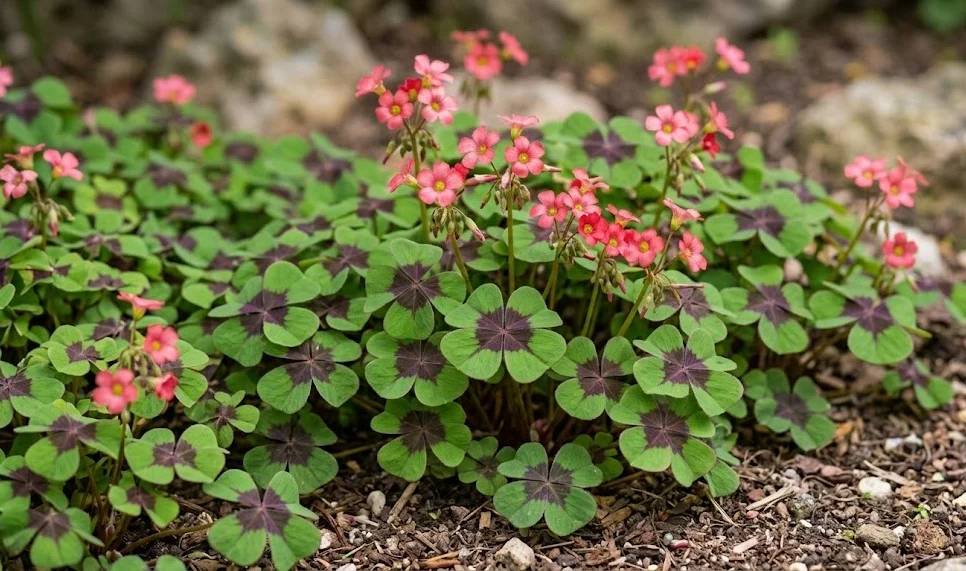

Providing the right amount of moisture and nutrients is a delicate balancing act that defines professional plant care. The four-leaf sorrel has specific needs that change depending on its growth stage and the environmental conditions. Overwatering is one of the most common mistakes, yet the plant cannot be allowed to dry out completely during its active phase. A systematic approach to hydration and feeding will ensure your plants remain lush, green, and vibrant.
During the active growing season in spring and summer, the plant requires regular watering to support its foliage. The goal is to keep the soil consistently moist but to allow the top inch to dry out between applications. This cycle mimics the natural rainfall patterns the plant would experience in its native habitat. Using room-temperature water is preferred to avoid shocking the sensitive root system with cold temperatures.
The type of water used can also impact the long-term health of the bulbs and the quality of the soil. Rainwater or filtered water is often better than treated tap water, which may contain chlorine or heavy minerals. These substances can build up in the soil over time and cause the leaf tips to turn brown. If you must use tap water, letting it sit out for 24 hours allows some of the chemicals to dissipate.
Observing the plant’s leaves can give you immediate feedback on its current hydration levels. If the leaves begin to droop or lose their turgidity, it is often a sign that the plant needs a drink. However, if the soil is already wet and the leaves are yellowing, you may be overwatering. Learning to read these signs is a key skill for any expert gardener looking to master the care of this species.
Soil moisture management techniques
To ensure even moisture distribution, water the soil directly rather than pouring water over the foliage. Wet leaves can sometimes lead to fungal issues, especially if the air circulation around the plant is poor. Using a watering can with a long, narrow spout allows you to target the base of the plant accurately. This method ensures that the water reaches the roots where it is needed most without creating unnecessary mess.
More articles on this topic
Proper drainage is the most important safeguard against the dangers of overwatering and root rot. Every container must have drainage holes at the bottom to allow excess water to escape freely. If you are using a decorative outer pot, make sure to empty any standing water that collects after irrigation. This simple step prevents the bulbs from sitting in a swamp-colored environment that promotes decay.
Mulching the surface of the soil with a thin layer of decorative stones or moss can help retain moisture. This is particularly useful in dry indoor environments or during hot summer spells outdoors. The mulch acts as an insulating layer, keeping the soil temperature stable and reducing evaporation. It also adds a professional, finished look to the container or garden bed.
During periods of high humidity, you may find that the plant needs watering much less frequently. Conversely, in a dry, heated home during the winter transition, the soil might dry out surprisingly fast. Checking the soil moisture manually with your finger is the most reliable way to determine if it is time to water. This hands-on approach is much more effective than following a rigid, calendar-based schedule.
Fertilizer types and selection
Choosing the right fertilizer is essential for supporting the unique growth habits of the four-leaf sorrel. A balanced, water-soluble fertilizer with an equal ratio of nitrogen, phosphorus, and potassium is usually sufficient. Nitrogen promotes healthy green leaves, while phosphorus and potassium support root development and flowering. Professional growers often prefer organic options that provide a slower, more sustainable release of nutrients.
More articles on this topic
Liquid fertilizers are highly effective because they provide immediate availability of nutrients to the plant. They can be easily diluted to a half-strength concentration, which is safer for the sensitive bulbs. Applying a weaker solution more frequently is often better than a strong dose that could cause chemical burns. This “low and slow” feeding strategy mimics the natural nutrient cycles found in the wild.
Granular slow-release fertilizers can also be used by mixing them into the soil at the start of the season. These granules slowly break down over several months, providing a continuous supply of food as the plant grows. This is a convenient option for busy gardeners or for plants located in large outdoor beds. It reduces the need for frequent liquid applications while ensuring the plant never runs out of energy.
Avoid fertilizing the plant when it is under stress, such as during a heatwave or an active pest infestation. Feeding a stressed plant can sometimes do more harm than good by forcing growth it cannot sustain. Wait until the environmental conditions are stable and the plant shows signs of active, healthy growth. This strategic timing ensures that the nutrients are used efficiently to build a stronger and more resilient specimen.
Application timing and frequency
The most important time to fertilize is during the peak growth months of spring and early summer. As the plant pushes out new leaves and begins to flower, its demand for nutrients is at its highest. Providing a feeding every two to four weeks during this period will result in a noticeably fuller and more vibrant plant. You will see a direct correlation between consistent nutrition and the size of the leaflets.
As the days begin to shorten in late summer, it is time to gradually reduce the frequency of fertilization. The plant is preparing for its dormant phase and does not need as much supplemental energy. Continued heavy feeding late in the season can interfere with the plant’s natural transition into rest. Listening to the seasonal cues of the plant is vital for a professional maintenance routine.
Never fertilize a plant that has gone into complete dormancy during the winter months. Since there are no active leaves to use the nutrients, the salts will simply build up in the soil and potentially damage the bulbs. The dormant period is a time of complete rest, where only minimal moisture is required to keep the bulbs from shriveling. Resuming the feeding schedule in the spring completes the annual cycle of care.
If you have recently repotted your plant with fresh potting soil, you can usually skip fertilizing for the first month or two. Most commercial mixes already contain enough nutrients to support early growth without additional help. Over-fertilizing in fresh soil can lead to an accumulation of salts that is difficult to flush out. Patience and observation are key components of a professional approach to plant nutrition.
Avoiding nutrient toxicity and issues
Excessive fertilization can lead to a condition known as salt burn, where the edges of the leaves turn brown and crispy. This happens because the salts in the fertilizer draw moisture out of the plant tissues, effectively dehydrating them. If you suspect you have over-fertilized, flushing the soil with large amounts of plain water can help wash away the excess. This emergency measure can often save a plant from permanent damage if performed quickly.
Pale or yellow leaves can sometimes indicate a nutrient deficiency, particularly a lack of nitrogen or iron. However, these symptoms are often identical to those of overwatering or poor light, so it is important to check all factors. If the soil is healthy and the light is good, then a targeted dose of fertilizer may be the solution. A professional gardener investigates the root cause before applying a remedy to ensure the best outcome.
The appearance of a white, crusty layer on the surface of the soil or the rim of the pot is a sign of mineral buildup. This is usually caused by using hard tap water or over-applying synthetic fertilizers over a long period. Removing the top layer of soil and replacing it with fresh material can help resolve this issue. Regularly flushing the pot with clean water is a good preventive practice to keep the root environment healthy.
Always follow the instructions on the fertilizer packaging, but remember that these are general guidelines. Your specific environment and the size of your plant will dictate the actual amount of food required. Adjusting your routine based on the results you see in your own garden is the mark of an expert. Successful plant care is an evolving process of learning and adapting to the living needs of each individual specimen.