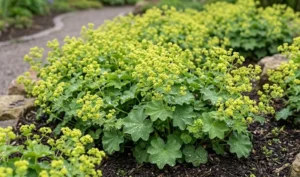
Mastering the balance of hydration and nutrition is essential for producing the most vibrant and long-lasting summer blooms. While these plants are famous for their ability to survive in neglected corners of the garden, they truly flourish when given specific attention to their physiological needs. Understanding when to intervene and when to step back is the hallmark of an expert gardener. This guide focuses on the nuances of maintaining the perfect moisture levels and nutrient balance for your floral display.
Principles of effective irrigation
Establishing a deep and resilient root system begins with the way you apply water during the early stages of growth. Instead of frequent shallow waterings, aim for deeper applications that penetrate several inches into the soil profile. This encourages the roots to grow downward in search of moisture, making the plants more drought-tolerant during the heat of summer. Morning is the ideal time for irrigation, as it allows the foliage to dry before evening, reducing the risk of disease.
The frequency of watering depends heavily on your local climate and the specific soil type in your garden. Sandy soils drain quickly and may require more frequent attention, while clay soils retain moisture for much longer periods. You can check the soil moisture by inserting a finger a few inches into the earth; if it feels dry at that depth, it is time to water. Avoid waiting until the plants show visible signs of wilting, as this causes physiological stress that can reduce flowering.
Using a soaker hose or drip irrigation system is far more efficient than overhead watering with a traditional sprinkler. These methods deliver water directly to the base of the plant, minimizing evaporation and keeping the leaves dry. If you must use a hose, aim the stream at the soil rather than the blossoms to protect the delicate petals. This targeted approach also ensures that you are not inadvertently watering the weeds in the surrounding area.
During periods of extreme heat or prolonged drought, even the most established plants may require extra support. You might find that a light mulch of straw or shredded leaves helps to significantly slow down the rate of evaporation from the soil surface. This layer acts as an insulating blanket, keeping the root zone cooler and more stable during the peak of the day. A well-hydrated plant is much better equipped to handle the stresses of high temperatures and intense sunlight.
More articles on this topic
Nutrient requirements and soil fertility
One of the most common mistakes made with these flowers is providing too much nitrogen-rich fertilizer. In their native habitats, they often grow in relatively poor soil, and they have adapted to thrive under those conditions. When given high levels of nitrogen, the plants produce massive amounts of green foliage but very few actual flowers. For the best floral display, it is often better to lean toward under-fertilizing rather than over-applying nutrients.
If your soil is naturally very poor or if you are growing in containers, a light application of a balanced fertilizer may be beneficial. Look for a formula where the middle number, representing phosphorus, is equal to or slightly higher than the first number, nitrogen. Phosphorus is the primary nutrient responsible for flower development and root strength. Apply any fertilizer at half the recommended strength to avoid shocking the plants or encouraging excessive leaf growth.
Organic amendments like well-rotted compost are often the best way to provide a slow and steady supply of nutrients. Incorporating a small amount of compost into the soil before planting provides the foundation for the entire growing season. This organic matter also improves the soil structure, enhancing both drainage and moisture retention capabilities. It mimics the natural recycling of nutrients found in a healthy meadow ecosystem.
Watching the plants for signs of nutrient deficiencies can help you make informed decisions about supplemental feeding. Yellowing of the lower leaves can sometimes indicate a lack of nitrogen, while purplish tints may suggest a phosphorus deficiency. However, always consider environmental factors like overwatering or cold temperatures before reaching for the fertilizer bottle. Most issues in a garden can be solved by adjusting care routines rather than adding chemical inputs.
More articles on this topic
Watering strategies for container gardening
Growing these flowers in pots or hanging baskets presents a unique set of challenges regarding moisture management. Containers dry out much faster than the ground, often requiring daily watering during the height of the summer. The volume of soil is limited, meaning the roots cannot reach deeper into the earth to find hidden moisture reserves. Choosing larger pots can help mitigate this by providing a greater buffer of soil and water.
The type of container material also influences how quickly the soil loses moisture to the environment. Porous materials like unglazed terracotta allow water to evaporate through the walls, while plastic or glazed ceramic pots retain it much better. If you use terracotta, you may need to monitor the plants more closely or use a liner to slow down the drying process. Ensure that every container has adequate drainage holes to prevent the roots from sitting in stagnant water.
Fertilizing container plants is more necessary than for those in the ground because nutrients leach out with every watering. A weak, liquid organic fertilizer applied every two weeks can help maintain the plant’s vigor throughout the season. Because the root space is confined, the plants quickly exhaust the available minerals in the potting mix. Using a high-quality potting soil designed for flowers is a great way to start the season on the right foot.
Automatic watering systems or self-watering pots can be a lifesaver for busy gardeners or those in very hot climates. These systems provide a consistent supply of moisture, preventing the dramatic wet-dry cycles that can stress container-grown plants. If you prefer manual watering, try to do it at the same time every day to establish a predictable routine for the plants. Consistency is key to keeping potted flowers looking their best from spring through autumn.
Environmental influences on hydration
Wind can be an overlooked factor that dramatically increases the water needs of your garden. High winds strip moisture from the leaves through a process called transpiration, often faster than the roots can replenish it. If your garden is in a particularly breezy location, you may need to provide windbreaks or water more frequently. The feathery foliage of these plants is especially susceptible to drying out when caught in a strong summer gale.
Humidity levels also play a role in how the plants process water and nutrients. In very humid environments, the rate of transpiration slows down, and the plants may not need as much supplemental irrigation. However, high humidity also increases the risk of fungal issues, making it even more important to keep the foliage dry during watering. In dry, arid climates, the plants will naturally use more water to keep their internal systems functioning properly.
The amount of sunlight the plants receive directly impacts their metabolic rate and, consequently, their water consumption. Plants in full, intense sun will naturally require more frequent hydration than those that receive a bit of afternoon shade. Understanding the movement of the sun across your garden allows you to tailor your watering routine to the specific needs of each bed. Adjust your schedule as the days grow longer and then shorter again as the season progresses.
Soil temperature is closely linked to moisture levels and overall plant health. Wet soil stays cooler than dry soil, but excessively cold water during a heatwave can actually shock the plant’s root system. If possible, use water that has been sitting at ambient temperature rather than ice-cold water straight from a deep well. This gentle approach helps maintain a stable environment for the beneficial microbes living in the soil.
Long-term soil health and sustainability
Building a resilient garden involves looking beyond the current season to the long-term health of the earth. Avoid over-watering to the point of runoff, as this carries away precious topsoil and dissolved nutrients into the local watershed. Using rain barrels to collect water from your roof is an excellent way to provide soft, chlorine-free water for your plants. This sustainable practice reduces your reliance on municipal water and is better for the overall health of the garden.
Mulching is perhaps the single most effective tool for maintaining soil health while also managing water and nutrients. A thick layer of organic mulch eventually breaks down, adding valuable humus back into the soil profile. This process encourages earthworms and other beneficial organisms to thrive, creating a living soil that supports plant life naturally. It is a simple, low-cost intervention that pays dividends in plant health and reduced labor over time.
Crop rotation, even in a flower garden, can help prevent the depletion of specific nutrients and the buildup of pests. Try not to plant the same species in the exact same spot every single year if you have the space to move them. This practice allows the soil to recover and breaks the lifecycle of soil-borne pathogens that might target these specific flowers. A diverse garden is always more robust and less dependent on external inputs like fertilizers.
Finally, accepting that nature has its own rhythms can make you a more relaxed and effective gardener. Some years will be naturally wetter or drier than others, and your plants will adapt to these conditions if given a solid foundation. By focusing on building healthy soil and using water wisely, you create an environment where your flowers can truly shine. The most successful gardens are those that work in harmony with the local environment and the changing seasons.