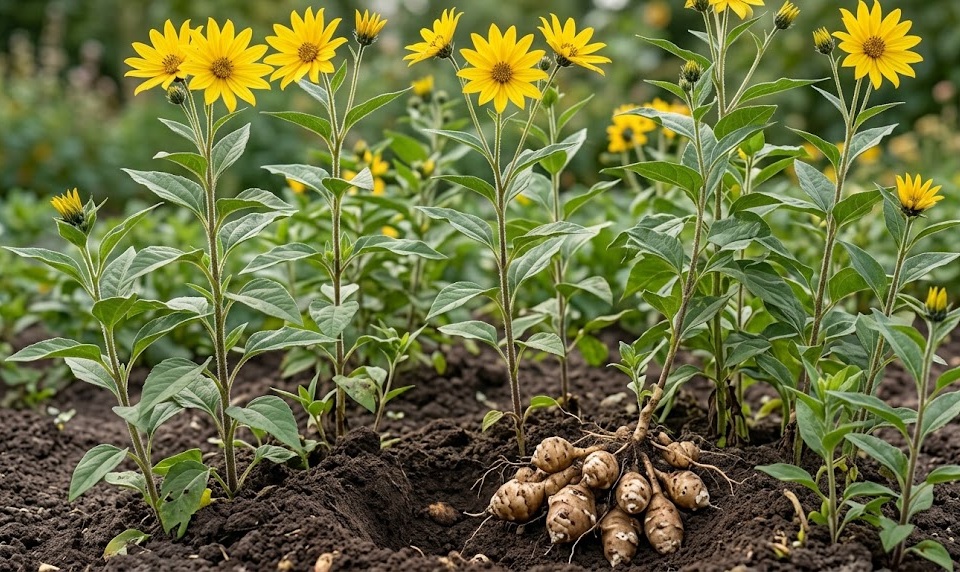

Providing the right balance of moisture and nutrients is essential for transforming a healthy Jerusalem artichoke plant into a high-yielding agricultural success. While these plants are famous for their ability to survive in poor soils and dry conditions, professional cultivation requires a more nuanced approach to hydration and feeding. You must understand that the plant’s requirements change significantly as it moves from the initial sprouting phase to the peak of summer growth. By managing these inputs carefully, you can dramatically improve the size, texture, and flavor of the tubers you eventually harvest.
The initial watering strategy should focus on establishing a deep and resilient root system that can sustain the plant during the hottest parts of the year. When the shoots first emerge, you should water them deeply but infrequently to encourage the roots to grow downward in search of moisture. This practice makes the plant much less dependent on surface water and better able to withstand short periods of drought later in the season. Consistent early-season hydration ensures that the plant develops the structural strength needed to support its impressive vertical height.
As the summer temperatures rise and the plants enter their rapid growth phase, their demand for water will naturally increase. You should aim to keep the soil consistently moist but never saturated, as excess water can lead to tuber rot and other soil-borne issues. Using a drip irrigation system or a soaker hose is often the most efficient way to deliver water directly to the root zone while keeping the foliage dry. This targeted approach reduces water waste and minimizes the risk of fungal diseases that thrive on wet leaves in high temperatures.
Observation is your best tool for determining when your crop needs additional hydration, as the leaves will often show subtle signs of stress before major wilting occurs. If you notice the upper leaves beginning to curl or lose their vibrant green luster, it is likely time to increase your watering frequency. During extreme heatwaves, a morning or evening watering session can provide the plant with the relief it needs to maintain its metabolic processes. A professional gardener stays in tune with the needs of the crop and adjusts their routine based on the immediate environmental conditions.
Strategic nutrient management for high yields
Jerusalem artichokes are heavy feeders that can quickly deplete the available nutrients in a small garden plot if they are not managed correctly. You should start the season by incorporating a generous amount of well-rotted compost or balanced organic fertilizer into the soil before planting. This provides a steady baseline of nutrients that will support the plant through its initial development and into the early summer. A strong nutritional foundation is the most important factor in determining the overall health and vigor of your agricultural project.
More articles on this topic
While nitrogen is important for the development of lush green foliage, you should be careful not to over-apply it later in the growing season. Too much nitrogen in the mid-to-late summer can encourage the plant to continue producing leaves at the expense of tuber development. Instead, you should focus on fertilizers that are higher in phosphorus and potassium as the plant begins to transition toward its reproductive and storage phases. These elements are essential for the formation of sturdy tubers and the accumulation of the starches that give the artichoke its unique nutritional profile.
Applying a liquid seaweed extract or a compost tea as a foliar spray can provide a quick boost of micronutrients during the peak of the growing season. These organic supplements are easily absorbed by the leaves and can help the plant recover from environmental stressors such as pest attacks or extreme weather. Regular small feedings are generally more effective than one or two heavy applications of synthetic fertilizers, which can sometimes burn the sensitive root tips. Professional nutrient management is about providing a steady and diverse diet for your plants throughout their entire life cycle.
You should also pay attention to the pH levels of your soil, as this directly affects the ability of the plant to take up essential minerals. Jerusalem artichokes prefer a slightly acidic to neutral soil, typically in the range of 6.0 to 7.0 for optimal growth and nutrient absorption. If your soil is too alkaline or too acidic, you may need to apply amendments such as lime or sulfur to bring it back into the ideal range. Maintaining the correct chemical balance in the soil is a fundamental aspect of high-level agricultural care and long-term soil health.
Understanding the timing of moisture delivery
The time of day when you choose to water your crop can have a significant impact on its overall health and the efficiency of your water use. Watering in the early morning is generally considered the best practice, as it allows the foliage to dry quickly in the sun and provides the roots with moisture before the heat of the day. This timing reduces the amount of water lost to evaporation and ensures that the plant is fully hydrated during the peak hours of photosynthesis. A well-hydrated plant is much more resilient to the stresses of a long, hot summer afternoon in the garden.
Evening watering is another option, though you must be careful not to leave the leaves wet overnight, as this can encourage the growth of mold and mildew. If you must water in the evening, try to apply the moisture directly to the soil using a hose or a watering can without wetting the stalks. This targeted delivery keeps the root zone moist while maintaining a dry environment for the upper parts of the plant. Understanding these small technical details can make a big difference in preventing common garden problems before they start.
During periods of heavy rainfall, you may need to suspend your regular watering routine entirely to prevent the soil from becoming waterlogged. It is helpful to have a rain gauge in your garden so you can accurately track how much natural moisture your crop is receiving each week. Most professional growers aim for about two to three centimeters of water per week, whether it comes from the sky or from a hose. Consistency is the key to preventing the tubers from splitting or developing irregular growth patterns due to fluctuating moisture levels.
As the season draws to a close and the foliage begins to die back, you should gradually reduce the amount of water you provide to the plants. This signals to the artichoke that it is time to enter its dormant phase and begin the process of curing its tubers in the earth. Excessive water during the final weeks can lead to spoilage or reduce the storage life of the harvested crop. A professional approach involves tapering off your inputs to match the natural biological rhythm of the plant as it prepares for winter.
Evaluating soil structure and drainage
The physical structure of your soil plays a vital role in how effectively it can hold and distribute the water and nutrients you provide. Sandy soils drain quickly and may require more frequent watering and smaller, more regular feedings to prevent the nutrients from leaching away. In contrast, heavy clay soils hold onto moisture much longer but can become compacted and prevent oxygen from reaching the root zone. You should adapt your management strategy to fit the specific characteristics of your garden’s soil to ensure the best possible results.
Incorporating large amounts of organic matter is the best way to improve both sandy and clay soils over time. Compost acts like a sponge in sandy soil, holding onto moisture and nutrients, while it helps to break up the dense structure of clay soil and improve drainage. This long-term approach to soil building is more effective than any quick-fix chemical solution and leads to a more sustainable and productive garden. A healthy soil structure is the medium through which your watering and fertilization efforts are translated into plant growth.
If you find that your soil has a tendency to form a hard crust on the surface, you should gently break it up with a hand tool after watering. This allows future applications of water and air to penetrate the soil more easily and reach the expanding root systems of your artichokes. You can also apply a layer of organic mulch to protect the soil surface from the impact of heavy rain and prevent it from becoming compacted. Managing the physical state of the ground is an ongoing part of the watering and fertilization cycle.
Regularly checking the moisture levels at a depth of about ten centimeters will give you a much more accurate picture of the plant’s needs than just looking at the surface. You can use a simple moisture meter or just your finger to feel if the soil is damp where the roots are actually growing. This hands-on approach prevents the common mistake of overwatering the surface while the deeper soil remains dry. Being physically present and active in your garden allows you to make more informed decisions about your resource management.
The impact of feeding on tuber quality
The ultimate goal of your fertilization program is to produce tubers that are not only large but also packed with flavor and nutritional value. Plants that have been given a diverse range of minerals and organic compounds tend to produce tubers with a more complex and satisfying nutty taste. In contrast, crops that have been pushed too hard with synthetic high-nitrogen fertilizers may produce large tubers that are watery and lack depth of flavor. Professional growers prioritize quality over sheer volume, knowing that a well-fed plant produces a superior culinary product.
Trace minerals such as boron, magnesium, and calcium are often overlooked but are essential for the structural integrity of the tuber cell walls. A deficiency in these elements can lead to internal browning or a hollow center in the tubers, which reduces their quality and storage potential. You can ensure an adequate supply of these minerals by using a high-quality rock dust or a multi-mineral organic amendment once a year. Providing a complete spectrum of nutrients is the best way to support the complex biochemistry of the Jerusalem artichoke.
You should also consider the environmental impact of your fertilization choices and aim to use products that support the overall health of the garden ecosystem. Organic fertilizers nourish the beneficial soil life, including earthworms and microbes, which in turn help the plants access natural reserves of nutrients. This symbiotic relationship creates a more resilient and self-sustaining garden that requires fewer external inputs over time. Your feeding choices have long-lasting effects that go far beyond the current growing season and the immediate harvest.
Reflecting on the success of your watering and feeding routines at the end of each season will help you refine your process for the following year. Keep a garden journal to record the dates of your fertilizations and any unusual weather patterns that affected your watering schedule. This data is your most valuable resource for continuous improvement and for mastering the specific needs of Jerusalem artichokes in your local climate. Professional excellence is built on a foundation of careful observation, consistent action, and a commitment to the health of the land.