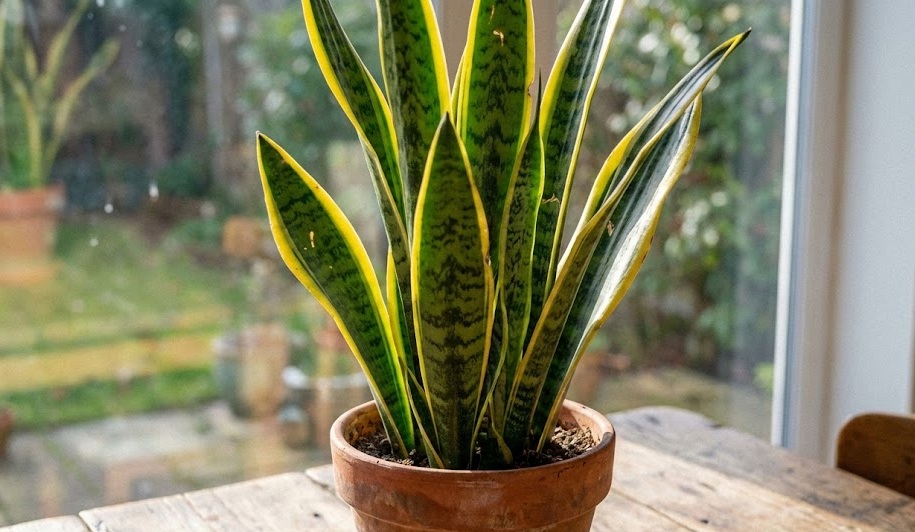

Pruning a variegated snake plant is an essential maintenance task that combines aesthetic refinement with the long-term health of the specimen. You will find that because this plant grows slowly, every cut you make is a significant decision that will affect its appearance for many months or even years. A professional approach to pruning is not about radical changes, but rather about the careful removal of damaged tissue and the management of the plant’s overall size and shape. By mastering the correct techniques and timing, you can keep your architectural plant looking its absolute best throughout its long life.
The goal of pruning is often to remove leaves that have become unsightly due to age, physical damage, or previous care mistakes. You should understand that once a snake plant leaf is damaged, it cannot heal itself; the brown spots or torn edges are permanent features. Pruning allows you to refresh the plant’s look by selectively removing these less-than-perfect blades. A professional gardener views pruning as a way to “sculpt” the plant, ensuring that every leaf contributes to its clean, vertical lines and vibrant variegation.
Another reason for pruning is to manage the density of the plant within its container, especially if it has become overcrowded with new pups. You must balance the desire for a lush, full look with the need for air circulation and light to reach the center of the rosette. Thinning out older or smaller leaves can provide more space for the most impressive variegated blades to shine. This strategic removal of foliage is a key skill in maintaining a professional-grade indoor specimen that doesn’t look cluttered or neglected.
Finally, pruning can be used as a last resort to stop the spread of disease or to take healthy material for propagation. You should always approach the plant with a clear plan and the right tools to ensure that your cuts are clean and heal quickly. A professional pruning session is quick, decisive, and follows a logical order that minimizes stress to the plant’s overall system. With a steady hand and a keen eye, you can maintain the perfect balance between the plant’s natural growth and your desired aesthetic.
When and why to prune for optimal results
The best time to perform any significant pruning on your variegated snake plant is during the early spring or summer when it is in its active growth phase. You will find that the plant recovers much faster from the stress of cutting when its metabolism is high and light is plentiful. Pruning during the winter dormancy is generally discouraged unless it is an emergency, as the wounds will take much longer to callous and are more prone to infection. A professional gardener always works with the plant’s natural calendar to ensure the best possible recovery.
More articles on this topic
You should consider pruning whenever you notice a leaf that is significantly yellowed, softened by rot, or severely broken. These damaged leaves are not only unattractive but can also become a drain on the plant’s resources or a breeding ground for pests. Removing them allows the plant to redirect its energy toward producing new, healthy variegated shoots. Professional maintenance is about being proactive and catching these issues before they affect the overall vigor of the specimen.
If your plant has grown too tall for its location or is beginning to look lopsided, you can also use pruning to restore its balance. However, you must remember that cutting the tip off a snake plant leaf will stop that specific leaf from ever growing taller. You should choose which leaves to remove based on how they affect the overall silhouette of the plant from all angles. This architectural mindset is what separates a professional pruning job from a simple “haircut” for the plant.
Sometimes, you might prune the plant simply to harvest materials for sharing with other enthusiasts or to start a new container. You should always select the most healthy and well-marked leaves for this purpose to ensure the best results for the next generation. Regardless of the reason, every pruning session should start with a careful assessment of the plant’s current state and a clear vision for its future. Strategic pruning is a hallmark of an expert who understands the slow, deliberate pace of snake plant development.
Tools and techniques for clean and safe cuts
To achieve a professional result, you must use tools that are both sharp and completely sterile to avoid introducing pathogens into the plant. A sharp, heavy-duty utility knife or a pair of high-quality bypass pruning shears is the best choice for the fibrous leaves of the variegated snake plant. You should clean your blades with rubbing alcohol or a ten-percent bleach solution before you start and between cuts on different plants. This simple hygiene step is the most effective way to prevent the spread of diseases like bacterial soft rot during your pruning session.
More articles on this topic
When you are ready to remove a leaf, you should aim to cut it as close to the base of the plant as possible, ideally just above the soil line. You must avoid leaving “stubs” of leaf tissue, which can slowly rot and look unsightly as they dry out. A clean, horizontal or slightly angled cut at the base ensures that the remaining plant looks tidy and that the wound is protected by the surrounding soil and foliage. Professional technique involves a single, smooth motion rather than a sawing action that can crush the delicate plant cells.
If you are only removing a damaged tip, you can try to cut the leaf in a way that mimics its natural pointed shape. You should use a sharp pair of scissors to make two angled cuts that meet at a point, rather than a single flat cut across the top. This “cosmetic pruning” helps the leaf blend in with the rest of the foliage and is less noticeable to the casual observer. A professional touch is all about these small details that maintain the plant’s natural appearance even after intervention.
After making your cuts, you should leave the wounds alone to dry and callous over naturally in the air. You do not need to apply any “wound paint” or sealants, as these can actually trap moisture and encourage fungal growth in succulents. If a cut seems particularly large or wet, you can dust it with a little bit of ground cinnamon, which acts as a natural, mild antifungal agent. Proper technique ensures that your pruning session is a positive step for the plant’s health rather than a source of stress.
Managing damaged or old foliage for longevity
Over the years, the oldest leaves at the outer edge of the variegated snake plant will naturally begin to age and lose their vibrancy. You might notice them turning a dull brown or becoming somewhat papery and thin compared to the fresh, central growth. This is a normal part of the plant’s lifecycle, and removing these “retired” leaves is a standard part of professional maintenance. By clearing away the old, you make room for the new pups to emerge and expand the plant’s footprint in the pot.
If a leaf has been damaged by a physical impact—such as being knocked over or chewed by a pet—you should evaluate the extent of the tear. A small split or a minor bruise can often be left alone if it doesn’t bother you aesthetically, as the plant will simply callous over the area. however, if a leaf is bent or broken in a way that compromises its structural integrity, it is usually better to remove it entirely. Professional management is about knowing when to intervene and when to let the plant’s natural resilience handle minor imperfections.
When removing a large number of leaves at once, you should try not to take more than twenty or thirty percent of the plant’s total foliage. Taking too much at once can shock the root system and leave the plant without enough photosynthetic surface area to sustain itself. If the plant is severely overgrown, it is often better to perform the pruning in stages over several months. This cautious approach is a sign of a professional who prioritizes the plant’s long-term stability over immediate aesthetic changes.
Finally, always keep the area around the base of the plant clean after you have finished your pruning work. You should remove all the cut leaves and any debris that may have fallen onto the soil during the process. Leaving old plant material in the pot can attract pests like fungus gnats or encourage mold to grow in the damp environment. A clean finish is the final step in a professional pruning routine, leaving your variegated snake plant refreshed, healthy, and ready for its next phase of growth.