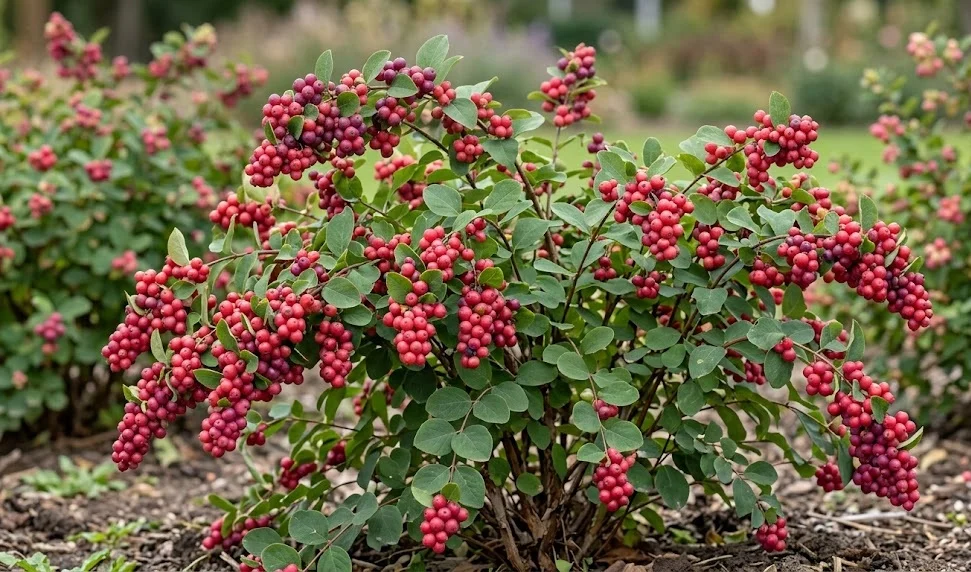

Maintaining the form and health of your shrubs through professional pruning techniques is essential for a long-lasting and beautiful garden. The coralberry is a vigorous grower that can become dense and overgrown if left to its own devices for too many years. Regular pruning not only keeps the plant at a manageable size but also encourages the growth of fresh wood that produces the best berries. By understanding the timing and methods for cutting back this species, you can ensure that your landscape remains tidy and productive.
The first step in any pruning project is to clearly define your goals for the individual plant and the overall landscape. Are you trying to maintain a formal shape, rejuvenate an old shrub, or simply remove dead and damaged wood from the previous winter? Having a clear plan before you make the first cut will help you avoid mistakes and ensure a professional result. It also helps you choose the right tools and timing for the specific type of pruning you intend to perform on the coralberry.
One of the most important rules of professional pruning is to always use sharp, high-quality tools that are appropriate for the task at hand. Bypass pruners are ideal for most stems on a coralberry, as they make clean, precise cuts that heal quickly without crushing the tissue. For thicker, older branches at the base of the plant, you may need to use a pair of loppers or a small pruning saw. Keeping your tools clean and disinfected between plants is also vital for preventing the accidental spread of diseases in your garden.
Pruning is also an excellent opportunity to inspect the inner structure of the shrub for any hidden problems or pests. As you remove branches, you can get a better view of the main stems and the health of the wood near the ground. Look for signs of boring insects, fungal cankers, or physical damage that might have been hidden by the dense foliage. Addressing these issues while you are already working on the plant saves time and helps maintain the overall vigor of the shrub.
Timing for best results and seasonal considerations
The timing of your pruning can have a significant impact on the plant’s growth and its ability to produce berries for the winter. For general maintenance and shaping, the best time to prune a coralberry is in the late winter or very early spring before the new growth starts. At this time, the plant is dormant, which minimizes the stress of the cuts and allows you to see the structure of the branches clearly. Pruning before the sap starts to flow also reduces the risk of attracting certain pests to the fresh wounds.
More articles on this topic
If your primary goal is to enjoy the berries, you should be careful about when and how much you cut during the growing season. Because the flowers and berries develop on the current season’s growth, heavy pruning in the late spring or summer will remove the potential for fruit. Light maintenance, such as removing a few stray branches or deadheading, can be done at any time without much harm. However, major structural changes should always be reserved for the dormant season to protect the ornamental display.
In some cases, you may need to prune immediately following a severe weather event to remove broken or hanging branches. This type of emergency pruning should be done as soon as it is safe to do so to prevent the damaged wood from tearing further or inviting disease. When making these cuts, try to follow the natural branching structure of the plant to maintain as much of its form as possible. Proper “cleanup” pruning after a storm is a key part of professional landscape management and disaster recovery.
Wait until the plant has been in the ground for at least two or three years before you begin any significant structural pruning. Young shrubs need all the leaves they can get to produce energy for establishing a strong and deep root system. Once the plant is well-established and growing vigorously, you can begin a regular maintenance schedule to keep it healthy and beautiful. Patience during the early years of a shrub’s life pays off with a much more resilient and long-lived specimen in the future.
Techniques for rejuvenation and long-term form
For older coralberries that have become leggy, thin at the base, or overgrown, rejuvenation pruning is a highly effective professional technique. This involves cutting the entire plant back to within a few inches of the ground in the late winter. While it may seem drastic, the shrub’s extensive root system will respond by sending up a flush of vibrant, healthy new stems in the spring. This method breathes new life into an aging plant and restores its naturally compact and arching habit within a single growing season.
More articles on this topic
If you prefer a less aggressive approach, you can use a technique called “renewal pruning” over a period of three years. Each year during the dormant season, remove about one-third of the oldest, thickest stems right at the base of the plant. By the end of the third year, the entire shrub will have been replaced with new, productive wood without ever leaving a large hole in your landscape. This gradual process is often preferred in formal garden settings where maintaining a consistent appearance is important.
Thinning out the center of the shrub is another important pruning technique that improves air circulation and light penetration. You should remove any branches that are growing toward the middle of the plant or that are rubbing against each other. Crossing branches can create wounds in the bark that serve as entry points for pests and diseases over time. A well-thinned shrub is not only healthier but also produces more berries on the inner branches because they receive more sunlight.
Finally, always make your cuts just above a healthy bud that is pointing in the direction you want the new branch to grow. This “directional pruning” allows you to guide the shape of the shrub and prevent it from becoming too lopsided or crowded. Cuts should be made at a slight angle away from the bud to allow water to run off and prevent rot from developing at the wound site. Mastering these small details of the pruning craft is what ensures a truly professional and stunning result for your coralberry shrubs.