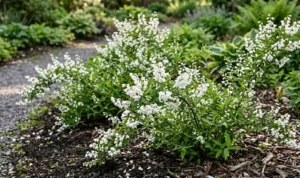
Pruning and cutting back are essential maintenance tasks that keep your bloody cranesbill looking its best and encourage a healthy growth habit year after year. While this plant doesn’t require complex topiary skills, a professional touch with your garden shears can make a significant difference in its overall appearance. Regular pruning not only keeps the plant tidy but also stimulates new growth and can even extend the flowering season. By understanding the simple techniques and the best timing for these tasks, you can maintain a beautiful and productive perennial in your landscape.
The most basic form of pruning is known as “deadheading,” which involves removing the individual flowers as they begin to fade and turn to seed. This simple practice prevents the plant from putting its energy into seed production and instead encourages it to produce more flower buds. For the bloody cranesbill, you can do this by following the flower stem back to where it meets the main foliage and making a clean cut. Many gardeners find this to be a relaxing and therapeutic task that allows them to spend more time enjoying the beauty of their garden.
A more significant type of pruning is the “mid-season shear,” which is often performed after the first major flush of flowers has finished in early summer. You can use your garden shears to cut the entire plant back by about half of its height, removing the spent flower stems and any tired-looking leaves. While the plant may look a bit bare for a week or two, it will quickly respond with a fresh burst of beautiful, healthy new foliage. In many cases, this can also trigger a second, smaller flush of flowers to enjoy later in the season.
Finally, at the end of the growing season, a final cut-back is necessary to prepare the plant for its winter dormancy. This usually happens in the late autumn after the foliage has turned its beautiful red color and has finally started to wither and turn brown. Cutting the plant all the way back to the ground at this time removes the old debris and makes room for the new growth in the spring. Being consistent with these three levels of pruning will ensure that your cranesbill remains a vigorous and attractive part of your garden for many years.
Deadheading and flower care
Deadheading is one of the easiest ways to keep your garden looking fresh and vibrant throughout the summer months. By removing the old blossoms, you are not only improving the look of the plant but also supporting its long-term health and vigor. For the bloody cranesbill, the seed heads can be quite interesting to look at, but they do take a lot of energy for the plant to produce. If you prefer a more manicured look and more flowers, being diligent about deadheading is the best professional strategy you can follow.
More articles on this topic
When you are deadheading, try to make your cuts just above a set of healthy leaves or a new flower bud if you can see one. This keeps the plant looking tidy and prevents the development of unsightly “stubs” that can eventually turn brown and die back. Using a sharp pair of snips or small garden scissors will make this task quick and easy, and the clean cuts will heal much faster for the plant. Taking a few minutes each week to walk through your garden and deadhead your perennials is a great way to stay connected with your landscape.
In addition to deadheading, you should also look for any stems that are growing in an awkward direction or that have been damaged by wind or rain. Removing these stems will help to maintain the plant’s beautiful mounding shape and prevent it from becoming too sprawling or untidy. This type of light, ongoing maintenance is much easier than trying to fix a major mess at the end of the season. A well-cared-for plant is always more attractive and adds a professional touch to any garden border or patio display.
If you are growing your cranesbill for its seeds, you can naturally skip the deadheading process on a few of your favorite plants. This allows you to collect the seeds once they are fully ripe for propagation or simply to let them fall and naturally fill in gaps in your garden. Finding the right balance between a tidy garden and one that supports the natural life cycle of the plants is part of being a thoughtful gardener. Regardless of your choice, understanding the impact of deadheading will help you achieve the results you want in your own space.
Hard pruning for rejuvenation
Every few years, your perennials may benefit from a more aggressive “rejuvenation pruning” to restore their youthful energy and compact shape. If you notice that an older clump of cranesbill is becoming very woody at the base or is producing fewer flowers than it used to, it is time for a hard cut-back. This is best done in the early spring just as the first signs of new growth are appearing at the center of the plant. You can cut the entire plant back to within just an inch or two of the ground with confidence.
More articles on this topic
While it can be a bit intimidating to cut a healthy-looking plant back so severely, the results are almost always worth the effort. This process stimulates the dormant buds at the crown of the plant, leading to a much denser and more vigorous growth habit for the coming season. Hard pruning also gives you a great opportunity to get a good look at the base of the plant and check for any signs of pests or disease. It is a professional technique used to keep garden borders looking fresh and to prevent plants from becoming too old and tired.
After a hard pruning, you should provide the plant with a little extra support in the form of water and a light application of organic fertilizer. This ensures that the plant has the resources it needs to quickly rebuild its foliage and start producing flowers again. You will be amazed at how quickly the plant recovers and how much healthier it looks after its “haircut.” This type of management is essential for long-term success with many different types of hardy perennials in the garden.
Rejuvenation pruning can also be used if a plant has been severely affected by a pest or disease earlier in the season. By removing the damaged foliage completely, you are giving the plant a chance to start over with fresh, clean leaves. This is often more effective than trying to treat heavily damaged foliage with chemicals and is much better for the overall health of the garden ecosystem. Being willing to prune boldly is one of the hallmarks of an experienced and professional gardener who understands the natural resilience of plants.
Essential timing for cuts
Timing is everything in the garden, and knowing when to reach for your shears is just as important as knowing how to use them. The most critical pruning time for the bloody cranesbill is the transition from summer to autumn when the plant is preparing for dormancy. Cutting back too early in the summer can sometimes deprive the plant of necessary energy, while waiting too long in the winter can leave it exposed to the elements. Following the natural cues of the plant, such as the color change of the leaves, is the best way to time your autumn cut-back.
The early spring is another key window for pruning, specifically for clearing away the last of the winter debris before the new growth begins. You should aim to finish this task before the new shoots are more than an inch or two tall to avoid accidentally damaging them with your tools. This spring cleanup is essential for making room for the fresh foliage and for keeping the garden looking organized and well-maintained. A clean garden in the spring is not only more beautiful but is also much easier to manage as the growing season intensifies.
For the mid-season shear, the best time is usually right after the main flowering period has peaked and the blossoms are starting to look a bit tired. In many climates, this happens in late June or early July, giving the plant plenty of time to regrow before the end of the summer. This “Chelsea Chop,” as it is sometimes called by professional gardeners, is a great way to manage the height and timing of your floral displays. It is a simple technique that can have a big impact on the overall look of your garden during the late summer months.
Always use sharp, clean tools for any pruning task to ensure that you are making clean cuts that heal quickly and don’t invite disease. Cleaning your blades between different plants with a bit of disinfectant is a professional habit that prevents the accidental spread of pathogens. Taking the time to do the job right and at the right time is the secret to a healthy and beautiful garden that brings joy throughout the year. Your bloody cranesbill will reward your careful pruning with years of reliable growth and stunning floral displays.