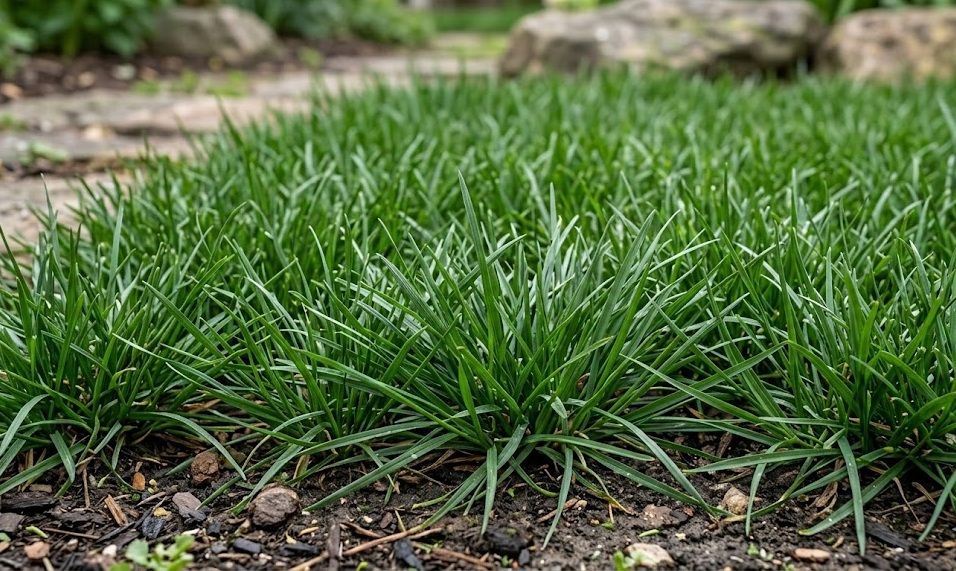

Maintenance through regular cutting is the most visible and impactful task you will perform in the life of your lawn. For tall fescue, pruning is not just about aesthetics; it is a vital cultural practice that dictates the health of the roots and the density of the turf. Because this species grows in bunches, the way you cut it influences how well it fills in the space and how it competes with unwanted weeds. Professional pruning requires the right tools, the correct timing, and an understanding of the physiological response of the grass to being cut.
The science of the cut
Mowing is essentially a form of controlled injury that forces the grass plant to respond by redirecting its energy. When you remove the top portion of the leaf blade, the plant produces hormones that stimulate the growth of new shoots from the base, a process known as tillering. This is how you achieve a thick, carpet-like appearance from a species that naturally wants to grow in individual clumps. Without regular and correct pruning, the lawn will become thin and “leggy,” losing its professional appeal and its ability to withstand stress.
The height at which you cut the grass has a direct and proportional relationship with the depth of the root system below. There is a “biological balance” where the plant maintains a certain ratio of leaf tissue to root mass to ensure it can support itself. If you consistently mow the grass very short, the roots will also remain shallow, making the lawn much more vulnerable to drought and heat. For this reason, professional standards always recommend a higher mowing height of three to four inches to promote a robust and resilient underground architecture.
Using sharp blades is perhaps the most important technical requirement for successful pruning in any agricultural or domestic setting. A clean cut allows the wound on the grass blade to heal quickly, minimizing water loss and preventing the entry of various pathogens. When blades are dull, they tear the tissue, leaving jagged edges that turn brown and give the entire lawn a dull, unhealthy appearance. Regular maintenance of your equipment is a small investment that pays huge dividends in the health and beauty of your green spaces.
The “one-third rule” is the golden principle of professional mowing and should never be ignored if you want a healthy lawn. You should never remove more than one-third of the total height of the grass in a single cutting session. Removing too much at once is a shock to the plant’s system and can cause it to stop root growth entirely while it tries to recover its leaf area. If the grass has grown too long, it is better to mow it multiple times over several days, gradually bringing it down to the desired height.
More articles on this topic
Seasonal pruning strategies
As the growth rate of the grass changes with the seasons, your pruning frequency and height should also be adjusted to match the conditions. In the spring, when the grass is growing rapidly, you may find yourself mowing every five days just to keep up with the one-third rule. This frequent pruning stimulates the plant to thicken up and helps it establish a dense canopy before the heat of the summer arrives. It is a time of high activity where consistency in your maintenance routine is the key to a professional-level result.
During the peak of summer, you should raise your mowing height to the highest recommended setting to protect the soil and the roots. The taller grass provides shade to the ground, which keeps the root zone cooler and reduces the amount of water lost to evaporation. If the grass enters a state of dormancy due to extreme heat or drought, you should stop mowing altogether until the weather cools down and growth resumes. Pruning a stressed and dormant plant is an unnecessary injury that can lead to permanent damage or even the death of the turf.
Autumn is another period of active growth and a critical time for preparing the lawn for the winter months. You should continue to mow regularly to keep the grass at its ideal height and to prevent the buildup of organic debris and fallen leaves. As the growth begins to slow down toward the end of the season, you can gradually lower your mowing height by half an inch for the final cut. This slightly shorter height helps prevent the grass from matting down under the weight of winter snow, reducing the risk of fungal diseases.
Winter pruning is generally not required, as the grass is dormant and not producing any new tissue that needs to be managed. However, you should use this time to perform a thorough maintenance check on your mower, including sharpening the blades and cleaning the deck. Having your equipment ready for the first cut of the spring ensures that you start the new growing season on the right foot. A professional manager is always thinking one step ahead and preparing for the next phase of the lawn’s life cycle.
More articles on this topic
Best practices and equipment care
The pattern in which you mow your lawn can have a significant impact on the long-term health and appearance of the turf. You should change the direction of your cut every time you mow to prevent the grass from leaning in one direction and to avoid creating ruts in the soil. Varying the pattern also ensures a more even cut and helps prevent soil compaction in the tracks where the mower wheels always travel. This simple habit contributes to a more professional and uniform look for your entire landscape.
Proper disposal or utilization of grass clippings is a key part of your pruning strategy and overall nutrient management. As long as you are mowing frequently enough that the clippings are small, you should always leave them on the lawn to return their nitrogen and organic matter to the soil. If the clippings are very long or are forming clumps that could smother the grass, they should be bagged and composted separately. This “grasscycling” is a sustainable and professional practice that reduces the need for synthetic fertilizers and improves the soil health over time.
Cleaning your mower after every use is an essential habit for preventing the spread of diseases and weeds across your property. Fungal spores and weed seeds can easily hitch a ride on the underside of the mower deck and be transported to healthy areas of the lawn. A quick spray with a hose to remove grass buildup and dirt will keep your equipment in top shape and protect the integrity of your green spaces. Maintaining a clean workspace is a hallmark of a true professional in any field, including horticulture and agriculture.
Finally, you should always be mindful of the weather and soil conditions before you decide to start your pruning tasks. Mowing when the grass is wet can lead to an uneven cut and can cause the clippings to clump together and smother the plants. It also increases the risk of soil compaction and can facilitate the spread of diseases through the water droplets on the blades. Waiting for a dry day and firm soil will lead to a much better result and a healthier, more resilient lawn that you can be proud of.