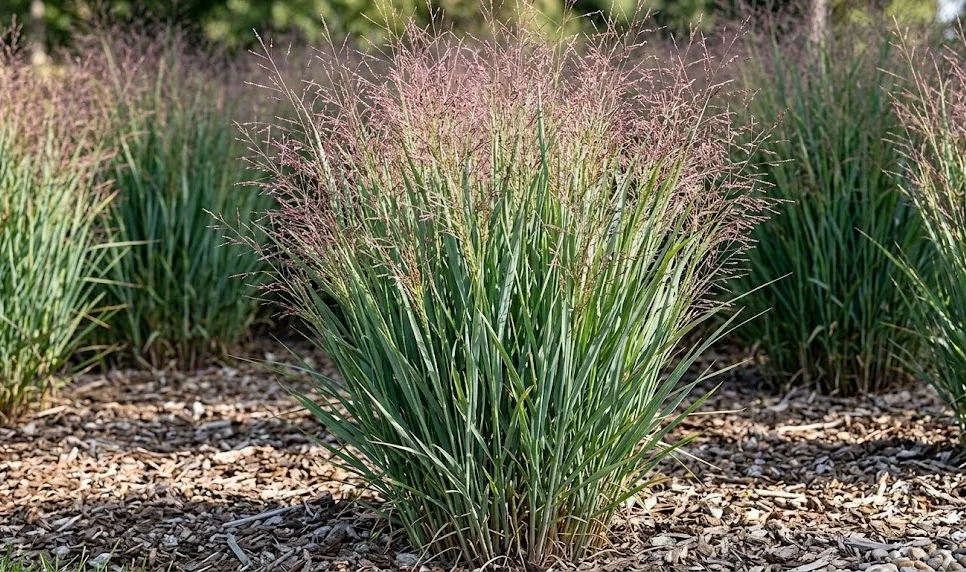

The annual process of pruning and cutting back switchgrass is a simple yet vital task that ensures the long-term vigor and aesthetic appeal of the plant. Because this species is a deciduous perennial grass, its previous year’s growth dies back completely, leaving behind a structural skeleton that must be removed to make room for new life. A professional approach to pruning involves timing the activity to coincide with the plant’s natural growth cycle while using the correct tools to achieve a clean and healthy result. This single act of maintenance is the most significant intervention required to keep switchgrass looking its best.
Early spring pruning and timing
The most important rule for pruning switchgrass is to wait until the late winter or very early spring before removing the old growth. Many gardeners are tempted to cut the grass back in the autumn as part of a general garden cleanup, but this is a mistake for several reasons. Leaving the dried foliage intact throughout the winter provides essential protection for the plant’s crown against extreme temperatures and moisture. It also preserves the structural beauty of the grass and provides a vital winter habitat for birds and beneficial insects.
The ideal window for pruning opens just as the worst of the winter weather has passed but before the new green shoots begin to emerge from the ground. In most temperate climates, this occurs between late February and early April, depending on the local weather patterns. If you wait too long and the new growth starts to grow up through the old stems, it becomes much more difficult to prune without damaging the fresh shoots. Monitoring the base of the plant for the first signs of green is the best way to time your pruning perfectly.
Using the correct technique is just as important as the timing to ensure the health of the crown. The old stems should be cut back to about four to six inches above the soil surface, creating a tidy “tuft” that allows light and air to reach the center of the plant. Avoid cutting too close to the ground, as this can inadvertently damage the delicate growth buds located at the base of the stems. This small remaining stubble also helps to protect the emerging shoots from late-spring frosts and provides a clear marker for where the plant is located.
Consistency in this annual routine helps the plant maintain a dense and compact habit over many years. If the old growth is not removed, it will eventually collapse and create a messy mat of decaying organic matter that can smother new shoots and encourage disease. By clearing away the debris each spring, you are essentially hitting the “reset” button for the plant, allowing it to start the new season with a clean slate. This simple practice is the foundation of professional ornamental grass care.
More articles on this topic
Tools and techniques for a professional finish
For small gardens with only a few plants, a sharp pair of handheld bypass pruners or heavy-duty garden shears is usually sufficient for the job. It is important to ensure that the blades are clean and sharp to make clean cuts through the tough, fibrous stems. Clean cuts heal more quickly and are less likely to provide an entry point for pests or pathogens. If the clump is particularly large and dense, you may find it helpful to tie the stems together with a piece of twine before cutting to make handling the debris easier.
In larger landscapes or for those with many grasses to manage, mechanical tools can save a significant amount of time and physical effort. A high-quality power hedge trimmer is an excellent choice for cutting back large drifts of switchgrass quickly and efficiently. When using power tools, extra care must be taken to maintain a consistent height and avoid dipping into the crown of the plant. Regardless of the tool used, wearing gloves and long sleeves is recommended to protect your skin from the sharp edges of the dried leaves.
The disposal of the pruned material is an important consideration in any professional gardening operation. Because switchgrass is a natural product, it is an excellent candidate for composting, provided it was not heavily infested with pests or diseases. Shredding the stems before adding them to the compost pile will significantly speed up the decomposition process. Alternatively, the dried foliage can be used as a mulch in other areas of the garden, helping to suppress weeds and retain soil moisture in a sustainable way.
If you are maintaining a more naturalistic or wildlife-focused garden, you might consider leaving some of the stems in a brush pile rather than composting them all. Hollow grass stems are important nesting sites for many species of solitary bees and other beneficial insects. Integrating this kind of ecological thinking into your pruning routine adds another layer of value to your gardening efforts. A professional approach always looks beyond the immediate task to the wider impact on the garden’s ecosystem.
More articles on this topic
Maintaining plant vigor and appearance
Beyond the annual spring cut-back, switchgrass requires very little in the way of pruning throughout the rest of the growing season. Unlike many flowering perennials, it does not require deadheading or pinching to encourage more blooms or a bushier habit. In fact, cutting the plant back during the summer will often ruin its natural form and may prevent it from flowering altogether. The goal is to let the plant grow freely so it can develop its characteristic airy texture and upright structure.
If the plant does happen to flop over due to excessive shade, water, or nitrogen, some gardeners are tempted to shear it back to the ground in mid-summer. While this will prompt new growth, the resulting foliage will be much shorter and the plant will not have time to flower or color properly before winter. It is usually better to provide temporary physical support with stakes or cages and resolve the underlying cultural issues in the following season. Pruning should always be a tool for enhancement, not a solution for poor site selection.
As the clumps age, they can become very dense, which may eventually lead to a decline in vigor in the center of the plant. When this happens, the best “pruning” is actually division, which involves digging up the plant and breaking it into smaller sections. This process rejuvenates the grass and provides an opportunity to clear out any dead material from the center of the crown. Dividing every four to six years is a standard practice for maintaining the long-term health and beauty of switchgrass.
Ultimately, the simplicity of caring for switchgrass is one of its most attractive features for both home gardeners and landscape professionals. By performing one thorough pruning each spring, you set the stage for a spectacular display that lasts for the rest of the year. This minimal intervention allows the plant’s natural beauty to shine through, proving that sometimes the best care is knowing when to step back and let nature take its course. With a little attention to timing and technique, your switchgrass will remain a highlight of the landscape for many years to come.