
Mastering the art of pruning is essential for maintaining the neat appearance and encouraging the prolific blooming of these charming perennials. While they don’t require the heavy-handed structural pruning of shrubs, they respond very well to targeted maintenance throughout the year. A professional approach to cutting back involves understanding the plant’s growth cycle and knowing exactly when to intervene to promote health. By following these techniques, you can keep your bellflowers looking fresh and vibrant from early spring until the first frost.
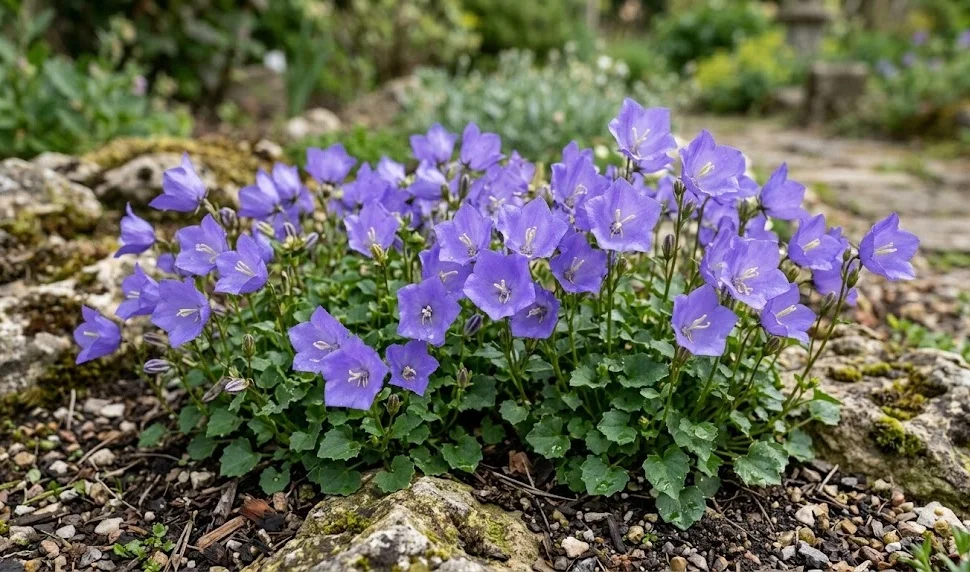
Pruning serves several purposes beyond just keeping the garden tidy; it also stimulates new growth and prevents the plant from wasting energy on seed production. For the carpathian bellflower, the most frequent pruning task is “deadheading,” which is the removal of spent flowers. This simple act can significantly extend the blooming period by signaling the plant to produce more buds rather than focusing on ripening seeds. It is a rewarding task that allows you to interact closely with your plants and monitor their progress.
In addition to deadheading, there are times when a more significant “haircut” is beneficial for the overall health of the mound. This usually happens in mid-summer when the first flush of flowers has finished, or in the autumn as the plant prepares for dormancy. Removing old, tired-looking foliage makes room for fresh green growth and keeps the plant from becoming leggy or sparse in the center. Knowing the difference between a light trim and a hard cut-back is a key professional distinction.
Finally, the tools and techniques you use will determine the quality of the results and the speed of the plant’s recovery. Using sharp, clean snips ensures that the cuts are precise and don’t leave jagged edges that can invite disease. Always work with the natural shape of the plant, aiming to enhance its mounded form rather than fighting against it. This chapter will provide a detailed guide to the pruning needs of these alpine beauties at every stage of their annual journey.
The benefits of regular deadheading
Deadheading is the practice of removing individual flowers as they begin to fade and lose their color. Because these plants produce so many blooms, this task can seem daunting, but it is well worth the effort for the results it produces. By preventing the plant from setting seed, you redirect its biological resources back into the development of new roots and additional flower buds. This can result in a blooming season that lasts weeks longer than it would if the plant were left to its own devices.
More articles on this topic
The most precise way to deadhead is to follow the flower stem down to just above the first set of healthy leaves and make a clean cut. This avoids leaving “stubs” that can turn brown and become unsightly over time. For the carpathian bellflower, which has many small flowers on thin stems, you can also use your fingertips to pinch off the spent blooms if the stems are soft. This method is quick and effective, though garden snips are better for a more professional and uniform finish.
Consistency is the key to successful deadheading; a quick walkthrough once or twice a week is usually enough to stay on top of the task. As you remove the old flowers, you’ll also have the opportunity to inspect the plant for any signs of pests or disease. This regular attention ensures that the plant remains a focal point of beauty in your garden rather than looking neglected. It is one of the most effective ways to maintain the “high-definition” look of a professionally managed border.
If you find that individual deadheading is taking too much time, you can also wait until a large portion of the flowers have faded and then lightly shear the entire plant. This “bulk” method is faster and often encourages a more uniform second flush of blooms later in the season. While it lacks the precision of individual stem cutting, it is a practical solution for large-scale plantings or for busy gardeners. Whichever method you choose, the plant will thank you with a renewed burst of color.
Hard pruning and mid-season rejuvenation
As the heat of mid-summer sets in, your bellflowers may begin to look a bit “tired” after their intense early display. The foliage might become slightly yellowed, and the stems may start to sprawl or open up in the middle. This is the perfect time for a rejuvenating cut-back to refresh the plant and encourage a second round of growth. Using garden shears, you can trim the entire mound back by about one-third of its height, removing the old flower stalks and the tips of the leaves.
More articles on this topic
This process may feel a bit drastic, as it will temporarily leave you with a plain green mound with no flowers. however, within a week or two, you will see a flush of fresh, vibrant green leaves emerging from the center. This new growth is much better at handling the late summer heat and will often be followed by a secondary bloom in the autumn. This professional technique keeps the garden looking well-maintained and prevents the “late-summer slump” that many perennial beds experience.
In the late autumn, after the first few frosts have turned the foliage brown, a final hard pruning is usually performed to prepare the plant for winter. You can cut the stems back to within an inch or two of the ground, effectively removing all the dead material from the past season. This cleanup prevents pests and diseases from overwintering in the old debris and makes it easier to apply winter mulch. It also clears the way for the new shoots to emerge unobstructed in the following spring.
If your plants have become particularly large or overgrown, you can also use this time to assess if they need to be divided in the spring. Hard pruning makes it much easier to see the structure of the crown and identify the best places for potential divisions. By maintaining a regular schedule of cutting back, you ensure that your bellflowers never become unmanageable or lose their vigor. It is a cycle of renewal that keeps your garden at its peak year after year.
Tools and technical precision
The quality of your pruning is only as good as the tools you use, so investing in a pair of high-quality garden snips or bypass pruners is essential. These tools are designed to make clean, slicing cuts that minimize damage to the plant’s vascular system. Dull blades can crush the stems, creating an entry point for bacteria and fungi that can lead to rot or disease. Keeping your blades sharp and well-oiled is a hallmark of a professional gardener’s routine.
Sanitation is another critical factor often overlooked by casual hobbyists; always clean your tools before moving from one plant to another. A simple wipe with a disinfectant or a quick dip in a weak bleach solution can prevent the spread of pathogens like leaf spot or rust. This is particularly important if you are pruning a plant that shows any signs of ill health. Taking this extra step protects the investment you have made in your garden’s overall health and longevity.
When making a cut, always aim for a slight angle rather than cutting straight across the stem. This encourages water to run off the wound rather than sitting on top, which further reduces the risk of fungal infection. Position your cut just above a leaf node or a new bud, as this is where the plant’s growth hormones are most concentrated. This precision ensures that the plant recovers quickly and produces new growth exactly where you want it.
Finally, consider the ergonomics of your tools to ensure you can work comfortably for extended periods. Lightweight snips with spring-loaded handles are much easier on the hands than heavy, manual pruners, especially for detailed tasks like deadheading. Good tools turn pruning from a chore into a precise and enjoyable craft. By following these professional standards, you ensure that every cut you make contributes to the long-term beauty and health of your carpathian bellflowers.