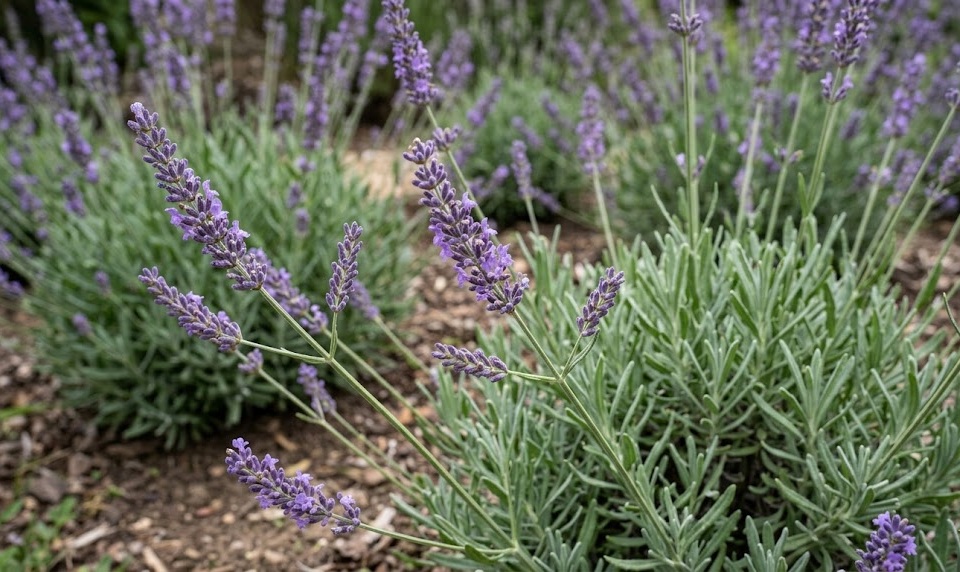

Pruning is the most effective tool in the gardener’s arsenal for maintaining the health, shape, and productivity of english lavender. Because this hybrid has a natural tendency to become woody and leggy over time, regular intervention is necessary to keep it looking its best. Pruning is not just about aesthetics; it stimulates the growth of new, vigorous stems and ensures that the plant remains productive for many years. Mastering the timing and technique of cutting back is the key to a professional-looking lavender display that stands the test of time.
The most important rule of pruning lavender is to never cut back into the bare, brown wood that has no visible green leaves. Unlike many other shrubs, lavender rarely produces new shoots from old wood, and cutting too deeply can result in a permanent dead spot or even the death of the entire plant. The goal of every pruning session should be to remove the top portion of the stems while leaving at least an inch or two of green growth behind. This ensures that the plant has enough photosynthetic material to recover quickly and produce new buds for the next season.
There are two primary times for pruning lavender: after the first bloom in the early summer and again in the late summer or early autumn. The early summer pruning involves removing the spent flower spikes and a small amount of the foliage to encourage a second, smaller flush of flowers. The late summer pruning is more significant, aimed at shaping the plant and preparing it for the winter months. By performing these two tasks consistently every year, you prevent the plant from becoming excessively woody and help it maintain a tight, mounded shape.
Young lavender plants require a specific pruning approach during their first two years to build a strong and bushy foundation. Rather than letting them bloom freely, it is often better to pinch back the tips of the new growth to encourage branching from the base. This early investment in structure pays off in the long run, as it prevents the plant from developing a single, weak trunk that might split under the weight of snow or heavy rain. A well-pruned young lavender will grow into a much more resilient and beautiful adult shrub.
Timing the pruning for maximum health
The timing of your pruning activities should be closely tied to the natural growth cycle of the lavender and the local climate. In the early summer, as the first flush of flowers begins to fade and turn grey, it is time for the “deadheading” or light pruning. This process involves cutting the flower stems back to just above the first set of leaves, which keeps the plant looking tidy and prevents it from wasting energy on seed production. In many regions, this light trim can stimulate the plant to produce a second, smaller round of flowers later in the season.
More articles on this topic
The main pruning session should occur in the late summer or very early autumn, once the plant has finished its major blooming period but well before the first hard frost. This timing allows the plant several weeks to heal its wounds and produce a small amount of new growth before it enters its winter dormancy. Pruning too late in the year can be dangerous, as the fresh cuts may not have time to calluses over, leaving the plant vulnerable to frost damage and disease. Conversely, pruning too early in the heat of mid-summer can stress the plant and lead to sun-scald on the newly exposed interior foliage.
In some cases, a very light “tidying up” can be done in the early spring once the new growth has started and the danger of frost has passed. This is the ideal time to remove any branches that were damaged by the winter snow or wind, as you can clearly see the difference between the living and dead tissue. Avoid doing a major pruning in the spring, however, as this will remove the buds that were formed the previous year and significantly reduce the summer’s flower display. The spring should be a time for minor corrections rather than major structural changes.
For those in regions with a very long growing season, a third, very light pruning can sometimes be integrated into the schedule to maintain a perfect shape. However, for most gardeners, sticking to the two-pruning system is the most effective way to manage the plant’s energy and health. The key is to be consistent; a lavender that is pruned every year will remain youthful and productive for a decade or more, while one that is neglected for even a few years can quickly become an unattractive, woody mess.
Techniques for shaping and rejuvenation
When you are ready to prune, using the right tools is essential for making clean, healthy cuts that heal quickly. A sharp pair of bypass pruners or specialized floral snips is usually the best choice for the fine work of deadheading and shaping. For larger shrubs, a pair of sharp hedge shears can be used to quickly create the classic rounded “mound” shape that is so iconic for lavender. Always ensure that your tools are clean and sterilized before moving from one plant to another to prevent the accidental spread of any pathogens.
More articles on this topic
To achieve a professional shape, start by removing the spent flower stalks and then move on to the green foliage. Aim to remove about one-third of the current year’s growth, shaping the plant into a uniform dome that allows light and air to reach all sides equally. As you work, try to imagine the plant in its winter state and aim for a compact form that will not be easily damaged by heavy snow. It is often helpful to step back from the plant every few minutes to check your progress and ensure that the shape remains balanced and symmetrical.
Rejuvenating an older, neglected lavender is a much more difficult task and requires a patient, multi-year approach. If a plant has become excessively woody and open in the center, you can try to stimulate new growth by selectively thinning out some of the oldest branches. By removing a few of these branches each year, you allow light to reach the interior of the shrub where dormant buds may still be present. If you are lucky, these buds will sprout into new, green stems that can eventually replace the old wood and restore the plant’s appearance.
If a lavender is so old and woody that it no longer produces a significant amount of flowers or healthy foliage, it may be time to admit defeat and replace it. While it is sad to lose a long-lived plant, young lavenders are relatively inexpensive and will grow very quickly if given the right conditions. You can even take a few cuttings from the healthy parts of the old plant before removing it, ensuring that its genetics live on in your garden. This cycle of growth, pruning, and eventual replacement is a natural part of managing a dynamic and beautiful landscape.
Pruning for air circulation and disease prevention
Beyond shaping and flower production, pruning plays a vital role in maintaining the internal health of the lavender shrub. By thinning out the center of the plant, you improve the air circulation and allow the interior branches to dry out more quickly after rain or dew. This is one of the most effective ways to prevent the development of powdery mildew and other fungal diseases that thrive in stagnant, humid environments. A well-pruned lavender should feel “breezy” and light rather than dense and heavy when you run your hands through its branches.
Removing any dead, diseased, or damaged wood (the “three Ds”) should be the first step of every pruning session, regardless of the time of year. Dead wood provides an entry point for pests and fungi and can act as a bridge for diseases to move into the healthy parts of the plant. By cutting these stems back to healthy tissue as soon as they are identified, you are performing a vital act of “plant hygiene” that keeps the entire shrub resilient. This proactive approach to health management is a hallmark of professional gardening and agriculture.
In humid climates, a more aggressive pruning style may be necessary to compensate for the higher moisture levels in the air. This might involve removing more of the lower branches to create a clear space between the foliage and the soil, which helps keep the crown dry and clean. You can also prune the interior of the plant more heavily to create a “lattice” of branches that allows for maximum air movement through the entire shrub. While this might result in a slightly more open appearance, it is a small price to pay for the long-term health of the plant.
Ultimately, the art of pruning is about finding the balance between the needs of the plant and the desires of the gardener. By paying close attention to how the lavender responds to your cuts, you can develop a technique that is perfectly suited to your specific variety and environment. Each year of pruning is a conversation between you and the plant, leading to a deeper understanding of its growth patterns and a more beautiful, fragrant garden. With a sharp pair of shears and a little bit of knowledge, you can keep your english lavender thriving for many seasons to come.