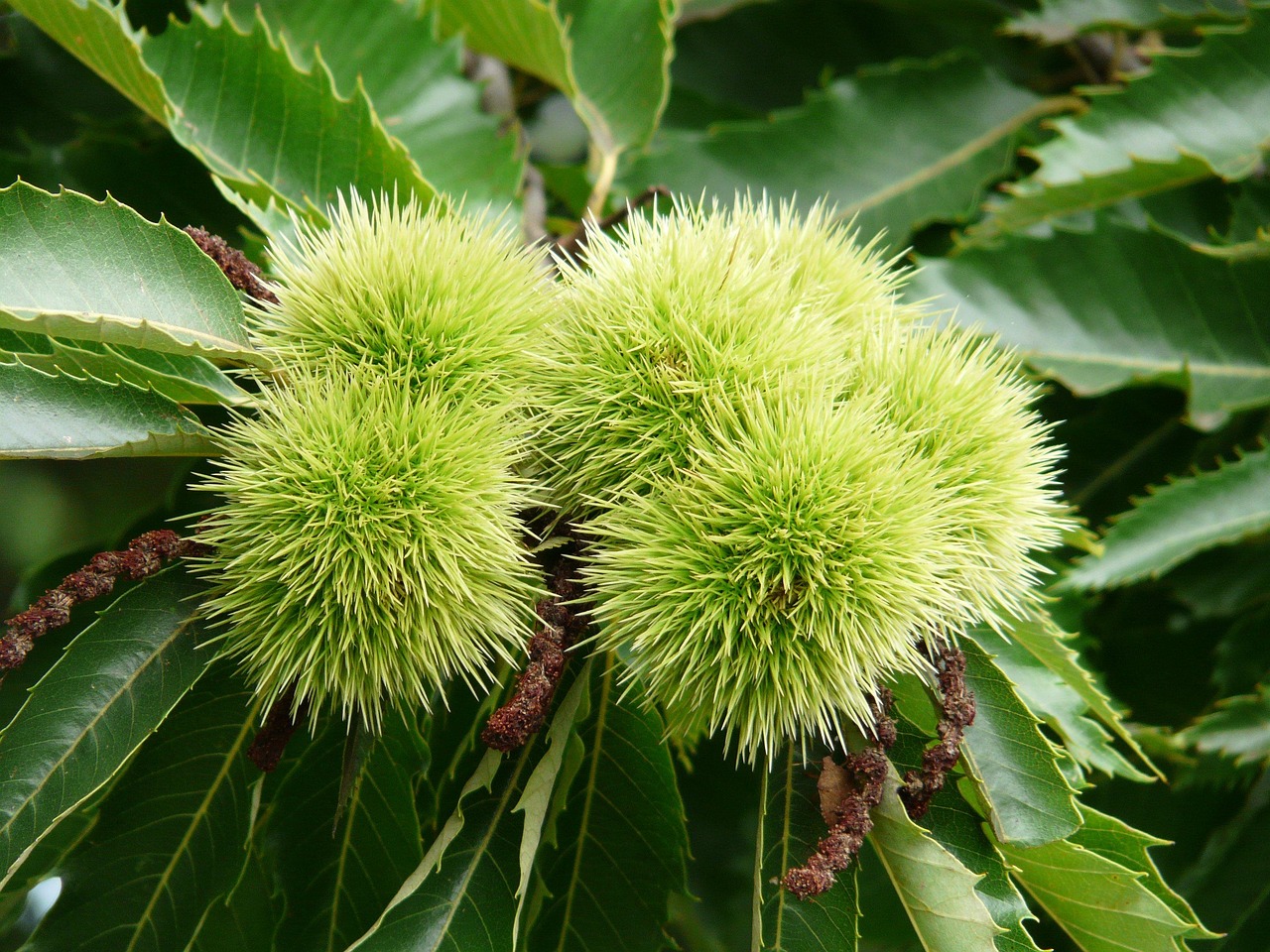

Successfully establishing a sweet chestnut tree begins long before the sapling is placed in the ground, requiring careful planning and preparation to ensure its long-term health and productivity. The journey from a seed or a young graft to a majestic, nut-bearing tree is a rewarding one, but it hinges on providing the right conditions from the very start. This involves selecting a suitable site with the correct soil and light conditions, as well as choosing the right propagation method to suit your goals. Whether you are starting from a nut or planting a nursery-grown tree, a thorough understanding of the process is fundamental to success. This initial investment of time and effort will pay dividends for decades to come.
The propagation of the sweet chestnut can be approached in several ways, each with its own advantages and challenges. Growing a tree from a nut is a deeply satisfying process that connects you to the entire life cycle of the plant, though it requires patience and does not guarantee the nut quality of the parent tree. For those seeking a specific cultivar with known characteristics, such as nut size or blight resistance, grafting is the preferred professional method. Alternatively, purchasing a young, grafted tree from a reputable nursery offers a reliable and faster route to establishing a productive tree in your garden or orchard. Each method demands specific techniques to ensure a high rate of success.
Planting the young tree is a critical moment that requires careful execution to avoid common pitfalls that can hinder its development. From the depth of the planting hole to the way the roots are handled, every step has a significant impact on how quickly the tree establishes itself. Proper planting minimizes transplant shock, encourages rapid root growth into the surrounding soil, and sets the stage for a vigorous and healthy life. Mistakes made at this stage, such as planting too deep or failing to adequately water the newly planted tree, can lead to long-term problems that are difficult to correct later on. Therefore, adhering to best practices is of paramount importance.
Beyond the physical act of planting, the initial aftercare is crucial for the survival and establishment of the young sweet chestnut. This includes providing adequate water, protecting it from pests and environmental stressors, and ensuring it has the space and resources it needs to thrive without competition. The first few years are a vulnerable period for the tree, and attentive care during this time is essential for building a strong framework and a resilient root system. By understanding and implementing these foundational principles of planting and propagation, you can confidently cultivate a magnificent sweet chestnut tree that will provide beauty and bounty for generations.
Optimal site selection and soil preparation
The first and most crucial decision in planting a sweet chestnut is choosing the right location, as this will influence its health for its entire lifespan. These trees demand a location with full sun exposure, needing at least six to eight hours of direct sunlight each day to facilitate vigorous growth and ensure prolific nut production. An open, sunny spot away from the shadow of large buildings or other mature trees is ideal. Furthermore, consideration must be given to its eventual size; a mature sweet chestnut develops a broad, spreading canopy, so it should be planted at least 10-15 meters away from any structures, property lines, or other large trees to prevent future conflicts and overcrowding.
More articles on this topic
Sweet chestnuts have specific soil requirements that must be met for them to thrive, as they are particularly sensitive to soil conditions. They require deep, fertile, and, most importantly, well-drained soil with a slightly acidic pH, typically between 5.0 and 6.5. They will not tolerate heavy clay, compacted, or waterlogged soils, as these conditions starve the roots of oxygen and can lead to fatal root rot diseases like ink disease. Before planting, it is highly advisable to conduct a soil test to determine the pH and nutrient content, which allows you to make necessary amendments to create the perfect growing environment for your tree.
Once a suitable location has been identified, thorough soil preparation is essential to give the young tree the best possible start. The planting area, ideally at least one meter in diameter, should be completely cleared of all grass and weeds, which would otherwise compete for vital water and nutrients. The soil should then be loosened to a depth of at least 30-40 centimeters, breaking up any hardpan or compacted layers. Incorporating a generous amount of organic matter, such as well-rotted compost, leaf mould, or aged manure, will significantly improve the soil’s structure, aeration, drainage, and fertility, creating a welcoming environment for the tree’s developing roots.
Finally, consider the local topography and microclimate when finalizing your planting site. Avoid planting sweet chestnuts in low-lying frost pockets, where cold air tends to gather on calm nights. A late spring frost can severely damage the tree’s delicate flowers, wiping out the potential nut crop for that year. The site should also offer some protection from harsh, prevailing winds, which can desiccate the leaves and damage the branches of a young, establishing tree. If a naturally sheltered location isn’t available, consider planting a protective windbreak of other shrubs or trees to create a more favorable microclimate.
Propagation from seed
Propagating a sweet chestnut from a seed, or nut, is a straightforward and rewarding method, though it requires patience as the resulting tree may take many years to produce its first harvest. The first step is to select fresh, high-quality seeds from a healthy, productive tree in the autumn. Choose large, plump, and glossy nuts that are free from any holes or blemishes, as these are the most likely to be viable. It is also important to note that sweet chestnuts are not self-fertile, meaning you need at least two trees for cross-pollination to produce nuts, a key consideration if you plan to grow them for their fruit.
More articles on this topic
Once collected, the seeds must undergo a period of cold, moist stratification to break their natural dormancy, a process that mimics the conditions they would experience over winter on the forest floor. To do this, mix the nuts with a slightly damp medium like sand, peat moss, or vermiculite, and place them in a plastic bag with a few air holes. This bag should then be stored in the refrigerator at a temperature of around 2-4°C for a period of two to three months. It is crucial to check the nuts periodically to ensure the medium remains moist but not wet, and to look for any signs of mould or premature germination.
After the stratification period is complete, typically in early spring, the nuts are ready to be sown. You can plant them directly into a prepared seedbed outdoors or start them individually in deep pots filled with a quality seed-starting mix. Plant the nuts on their side, about 2-3 centimeters deep, as this orientation helps the root and shoot to emerge correctly. If starting them in pots, place them in a bright, warm location and keep the soil consistently moist until germination occurs, which can take several weeks to a month.
Once the seedlings have germinated and developed a few sets of true leaves, they will need careful attention to thrive. Ensure they receive plenty of light and maintain consistent moisture in the soil. If you started multiple seeds in one bed, they should be thinned out or carefully transplanted to individual pots to give them enough space to grow. The young seedlings should be grown on in a protected environment, like a cold frame or greenhouse, for their first year before being planted out into their final position the following spring, once the risk of hard frost has passed. This gives them the best chance to develop a strong root system before facing the challenges of the open garden.
Propagation by grafting
Grafting is the most reliable method for propagating a specific sweet chestnut cultivar, ensuring that the new tree will have the exact same characteristics as the parent tree, such as nut size, flavor, and disease resistance. This technique involves joining a piece of a desired cultivar, known as the scion, onto a compatible rootstock, which is typically a seedling of the same species. The rootstock provides the root system and lower trunk, while the scion grows to form the branches, leaves, and, most importantly, the nuts. Successful grafting creates a single, composite plant that combines the strengths of both parts.
The timing and selection of materials are critical for a successful graft. Scion wood should be collected during the dormant season, from mid-winter to early spring, from healthy, one-year-old shoots of the desired cultivar. These cuttings should be about the thickness of a pencil and have several healthy buds. The collected scions should be wrapped in damp paper towels, placed in a plastic bag, and stored in a refrigerator to keep them dormant until it is time to graft. The rootstocks, which are usually one or two-year-old seedlings, should be actively growing when the grafting is performed in the spring.
The most common grafting technique used for sweet chestnuts is the whip-and-tongue graft, as it provides a large surface area of cambium contact between the scion and rootstock, leading to a high success rate and a strong union. This method involves making a long, sloping cut on both the rootstock and the scion, followed by a second, shorter cut, or “tongue,” in the middle of the first cut on each piece. The two pieces are then fitted together so that their tongues interlock and the cambium layers, the green layer just under the bark, are perfectly aligned on at least one side.
After carefully fitting the scion and rootstock together, the graft union must be securely wrapped to hold it in place and prevent it from drying out. You can use grafting tape, budding strips, or even electrical tape stretched tightly around the union to create a firm, waterproof seal. It is also common to apply a layer of grafting wax over the tape and on the cut tip of the scion to further protect it from moisture loss. The newly grafted tree must then be cared for diligently, keeping it well-watered and removing any shoots that emerge from the rootstock below the graft union, as these will divert energy away from the developing scion.
Planting the young tree
The best time to plant a young sweet chestnut tree is during its dormant period, either in the autumn after the leaves have fallen or in early spring before new growth begins. Planting at these times minimizes transplant shock and allows the tree to establish its root system before the stresses of summer heat and drought. If you are planting a container-grown tree, you have more flexibility, but avoiding the peak heat of summer is still advisable. Ensure you have your well-prepared site ready before the tree arrives so it can be planted promptly.
When you are ready to plant, dig a hole that is two to three times wider than the tree’s root ball but no deeper than the root ball itself. It is a common and serious mistake to plant a tree too deep, which can lead to root suffocation and collar rot. The hole should have sloping sides rather than vertical ones, creating a shallow basin shape that encourages roots to grow outwards into the surrounding soil. Before placing the tree in the hole, gently remove it from its container and inspect the roots. If they are tightly coiled or circling, carefully tease them apart or make a few vertical cuts through the root ball to encourage outward growth.
Place the tree in the center of the hole, ensuring that the top of the root ball, where the trunk flares out to meet the roots, is level with or slightly above the surrounding ground level. You can use a straightedge, like a shovel handle, placed across the hole to check the planting depth accurately. Once the depth is correct, begin backfilling the hole with the native soil that you removed, breaking up any large clumps. Do not add fertilizer or heavy soil amendments directly into the planting hole, as this can discourage roots from growing beyond the enriched area. Gently firm the soil around the root ball as you fill the hole to eliminate any large air pockets.
After the hole is completely backfilled, create a shallow basin or “water ring” of soil around the outer edge of the planting area. This will help to direct water to the root ball and prevent runoff. Water the newly planted tree thoroughly, applying enough water to settle the soil completely and saturate the root zone. Finally, apply a 5-10 centimeter layer of organic mulch, such as wood chips or shredded bark, over the planting area, but be sure to keep the mulch from directly touching the trunk of the tree. This mulch layer will help conserve moisture, suppress weeds, and protect the developing root system.