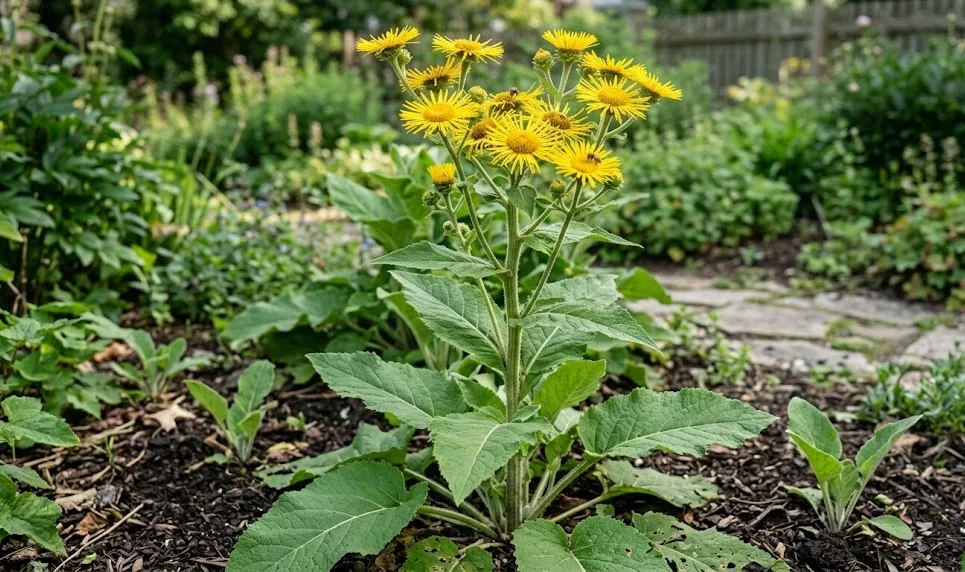

Establishing a successful stand of elecampane begins with choosing the most effective propagation method for your specific climate. Most experts recommend starting with seeds or root divisions to ensure a robust and healthy crop. This plant is known for its resilience once established, but the initial phase requires careful attention to detail. Proper technique during planting will determine the productivity of the herb for several years to come.
Starting from seed is a popular choice for those looking to cultivate a large number of plants. The seeds generally require a period of cold stratification to break their natural dormancy effectively. You should sow them in a nursery bed during the autumn or very early spring to take advantage of natural temperature cycles. Ensure the soil remains consistently moist but never saturated during the delicate germination period.
Root division is often preferred by professional growers because it guarantees a genetic match to the parent plant. This process is best performed in the spring when the first signs of new growth appear above the ground. You should carefully lift a mature root system and divide it into sections that contain at least one healthy bud. Replant these sections immediately to prevent the delicate root hairs from drying out in the air.
Choosing the right location for planting is just as important as the method of propagation itself. Elecampane prefers a site that offers deep, moist, and well-drained soil with plenty of organic matter. You should avoid sandy soils that dry out too quickly, as this will lead to stunted growth. The plant also needs significant room to grow, so spacing should be at least one meter between individuals.
The actual transplanting process requires a gentle hand to minimize shock to the young herb. Dig a hole that is twice as wide as the root ball to allow for easy expansion. You should set the plant at the same depth it was growing in its previous container or bed. Firm the soil around the base to eliminate air pockets and water deeply to settle the roots into their new home.