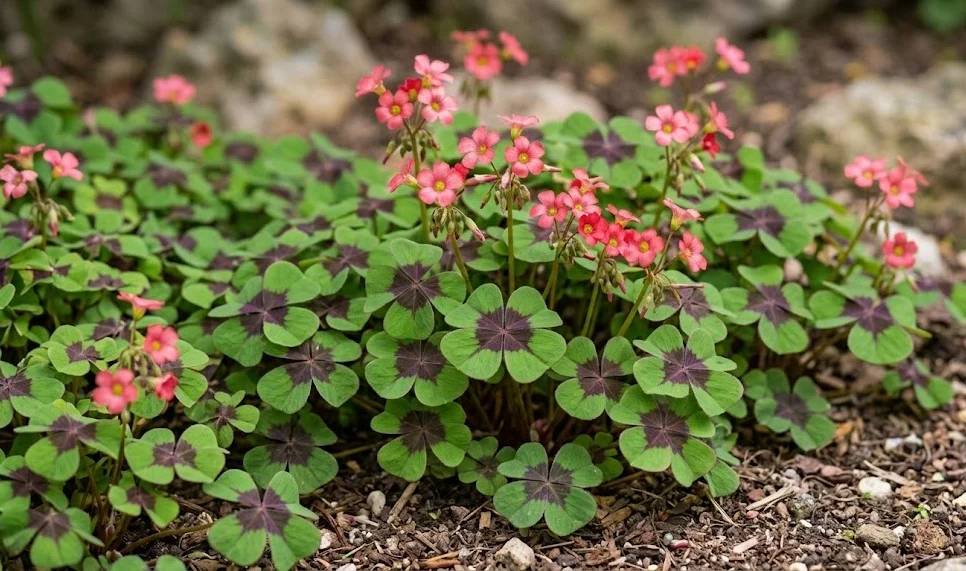

Even with the best care, plants can sometimes fall victim to various pests and diseases that threaten their health. The four-leaf sorrel is generally a hardy species, but it is not entirely immune to environmental stressors or biological invaders. Identifying problems early is the key to managing them effectively without causing long-term damage to the bulbs. A professional gardener remains vigilant and uses a combination of prevention and targeted treatments to keep their collection thriving.
Common pests like aphids and spider mites are often attracted to the soft, succulent foliage of the sorrel. These tiny insects can suck the sap from the leaves, causing them to yellow, curl, or become distorted. If left unchecked, a small infestation can quickly grow and weaken the entire plant. Regular inspections of the undersides of the leaves and the new growth tips are essential for early detection.
Fungal diseases, such as rust or powdery mildew, can also occur if the growing conditions are too damp or if air circulation is poor. These issues often manifest as unusual spots, coatings, or discolored patches on the foliage. While they may start as a purely aesthetic problem, they can eventually lead to leaf drop and bulb exhaustion. Understanding the conditions that promote these fungi is the first step in creating a healthy, disease-resistant environment.
Environmental stress can sometimes mimic the signs of disease, leading to confusion for the inexperienced gardener. For example, leaf scorch from too much sun can look like a fungal infection, and wilting from dry soil can be mistaken for root issues. It is important to evaluate the overall care routine before jumping to conclusions about pathogens. A professional diagnostic approach looks at the whole picture to find the most effective solution.
Common fungal and bacterial issues
Rust is a specific fungal disease that can occasionally affect members of the Oxalis genus, appearing as orange or brown pustules on the leaves. This fungus thrives in cool, moist conditions and can spread rapidly through water droplets or wind. If you see signs of rust, it is important to remove the affected leaves immediately and dispose of them far from the garden. Avoiding overhead watering is a key preventive measure that keeps the foliage dry and less hospitable to spores.
More articles on this topic
Powdery mildew is another common issue that appears as a white, flour-like coating on the surface of the leaves. It usually develops when there is high humidity combined with stagnant air around the plant. Increasing the space between pots and ensuring good ventilation can often stop the mildew from spreading further. In severe cases, a gentle application of a sulfur-based fungicide or a baking soda solution can help manage the outbreak.
Root rot is perhaps the most dangerous threat to the four-leaf sorrel, as it directly attacks the bulb. This condition is almost always caused by waterlogged soil and a lack of oxygen at the root level. Affected plants will wilt even when the soil is wet, and the base of the stems may turn black or mushy. Once a bulb has rotted, it is often impossible to save, making prevention through proper drainage and careful watering absolutely vital.
Bacterial leaf spot can also occur, causing dark, water-soaked lesions that may have a yellow halo. These bacteria often enter the plant through wounds or natural openings during periods of heavy rain or high humidity. Sanitation is the best defense against bacterial issues, so always use clean tools when pruning or dividing your plants. Keeping the garden area free of dead plant material also reduces the reservoir of bacteria available to infect healthy tissue.
Identifying and managing insect infestations
Aphids are small, pear-shaped insects that cluster on the stems and undersides of leaves to feed on plant juices. They secrete a sticky substance called honeydew, which can attract ants or lead to the growth of sooty mold. A strong stream of water can often dislodge light infestations, or you can use a diluted insecticidal soap. Repeat treatments are usually necessary to catch the new generations as they hatch from their eggs.
More articles on this topic
Spider mites are nearly invisible to the naked eye but can be identified by the fine webbing they leave between the leaves. They thrive in hot, dry conditions and cause the foliage to take on a stippled, silvery, or bleached appearance. Increasing the humidity around the plant and regular misting can make the environment less attractive to these pests. For persistent problems, neem oil is a highly effective organic treatment that disrupts the mites’ life cycle.
Slugs and snails can be a major nuisance for plants kept outdoors, as they find the tender leaves of the sorrel quite delicious. They typically feed at night, leaving large holes in the foliage and telltale slimy trails across the soil. Hand-picking them in the evening or using physical barriers like copper tape can protect your plants from these voracious eaters. Keeping the area around your pots clear of tall weeds and debris also removes their favorite hiding spots.
Fungus gnats are small black flies that hover around the soil surface, especially if the potting mix is kept too wet. While the adults are mostly a nuisance, their larvae live in the soil and can feed on the delicate root hairs of the bulbs. Letting the top layer of soil dry out completely between waterings is the most effective way to break their life cycle. Yellow sticky traps can also be used to capture the adults and monitor the size of the population.
Preventive measures and plant health
Maintaining a clean growing environment is the simplest and most effective way to prevent pest and disease outbreaks. Regularly removing fallen leaves and spent flowers prevents the buildup of organic matter that can harbor pathogens. If you notice a plant looking sickly, isolating it from the rest of your collection can prevent a potential problem from spreading. This proactive quarantine is a standard practice among professional horticulturists and serious collectors.
Providing the plant with its ideal growing conditions is the best way to boost its natural immune system. A healthy, well-fed plant is much better equipped to resist infections and recover from minor pest damage. Stress from poor light, incorrect watering, or extreme temperatures makes the plant much more vulnerable to attack. Professional care is not just about treating problems, but about creating an environment where they are unlikely to occur.
Air circulation is an often-overlooked factor that plays a huge role in preventing fungal issues. Indoors, a small fan or an open window can help keep the air moving and prevent moisture from lingering on the leaves. Outdoors, avoid planting the sorrel in crowded corners where the air becomes stagnant and humid. Proper spacing during planting ensures that every leaf has access to fresh air and light, which naturally suppresses many diseases.
Inspect any new plants thoroughly before introducing them to your garden or home collection. Many pests and diseases are brought in on newly purchased specimens that were already infected at the nursery. Giving new arrivals a quick wash and keeping them separate for a week or two is a wise precaution. This extra step ensures that your established plants remain protected from external threats and continue to flourish.
Organic and chemical treatment options
When a problem does occur, many gardeners prefer to start with the least toxic treatment options available. Horticultural oils and insecticidal soaps are excellent choices for managing soft-bodied insects like aphids and mites. These products work by smothering the pests on contact, so thorough coverage of the plant is necessary for success. Because they have low residual toxicity, they are safer for beneficial insects and the environment in general.
Neem oil is a versatile organic tool that acts as both an insecticide and a fungicide, making it very popular in professional gardening. It can help control a wide range of pests while also providing some protection against common fungal spores. Applying it in the evening or on a cloudy day prevents the oil from heating up and burning the leaves in the sun. Regular applications every few weeks can serve as a potent preventive measure for high-risk plants.
Biological controls, such as introducing ladybugs or predatory mites, can be a highly effective way to manage pests in a large garden or greenhouse. These natural enemies hunt and consume the harmful insects, keeping their populations in check without the use of chemicals. This approach supports a healthy garden ecosystem and reduces the need for human intervention over time. It is a sophisticated and professional method that aligns with sustainable agricultural practices.
In cases of severe or persistent infestations, a targeted systemic insecticide may be necessary to save the plant. These products are absorbed by the plant tissues, making the entire specimen toxic to feeding insects for a period of time. It is important to read and follow all label instructions carefully to ensure safety and effectiveness. Using chemical treatments as a last resort helps preserve the natural balance of your garden while still protecting your prized plants.