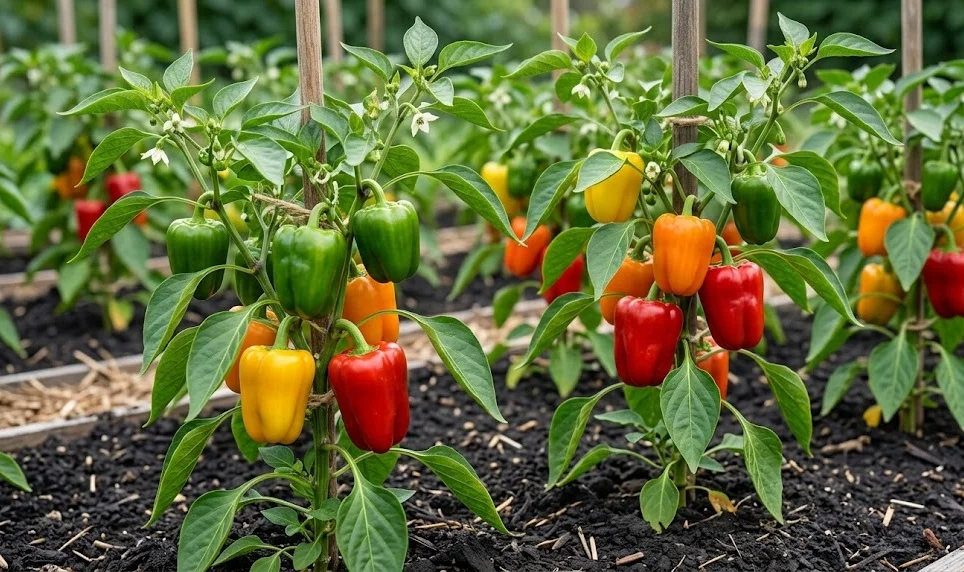

Sunlight is the primary fuel that drives the growth and fruit production of every pepper plant in your garden. You must understand that peppers are high-energy plants that evolved in tropical regions with intense and consistent solar radiation. Providing the correct quantity and quality of light is the single most important factor for achieving a professional-grade harvest. Without enough energy from the sun, even the best soil and watering routines will not result in a successful crop.
Determining the best location for your pepper patch requires observing how the sun moves across your property throughout the day. You should look for a spot that is free from the shadows of large trees, buildings, or other tall structures that might block the light. Ideally, your plants should receive at least eight hours of direct, unfiltered sunlight to maintain their maximum growth rate. Morning sun is particularly valuable as it helps dry the dew off the leaves, which reduces the risk of fungal diseases.
The intensity of the light is just as important as the total number of hours the plants are exposed to the sun. You will notice that peppers grown in partial shade often become tall and lanky as they stretch toward the available light sources. These “leggy” plants have weaker stems and are much less productive than those grown in full, intense sun. If you have a limited amount of sunny space, prioritize your pepper plants for the brightest spots in your entire garden.
Seasonal changes in light intensity and duration should also be taken into account when planning your planting schedule. As the days grow shorter in late summer, the amount of energy available for ripening the final fruits begins to decline significantly. You can maximize the remaining light by keeping the surrounding area clear of any tall weeds that might cast shadows on your crop. Understanding the solar cycles of your specific location allows you to make better decisions for your plants throughout the year.
Photosynthetic efficiency
The leaves of the pepper plant are specialized solar panels designed to capture light and convert it into chemical energy through photosynthesis. You should ensure that the leaves remain clean and healthy so they can function at their highest possible efficiency. Dust, dirt, or residues from sprays can block the light and reduce the plant’s ability to produce the sugars it needs for growth. A gentle rain or occasional rinsing can help keep the foliage clean and ready to work for the plant.
More articles on this topic
Light quality, specifically the spectrum of colors within the light, influences different aspects of the pepper plant’s development. Blue light is essential for promoting compact vegetative growth and the development of strong, thick stems in young plants. Red light, on the other hand, plays a bigger role in triggering the flowering response and the subsequent ripening of the fruits. Natural sunlight provides a perfect balance of these wavelengths, which is why it is so difficult to replicate perfectly indoors.
The density of your planting can affect how much light each individual leaf is able to capture during the day. You should space your plants correctly to ensure that the lower leaves are not completely shaded out by the upper canopy. When leaves are kept in deep shade for too long, the plant may naturally shed them to save energy, leading to a thin and unproductive lower section. Proper pruning and spacing are essential tools for maintaining high photosynthetic efficiency across the entire plant.
Temperature and light work together to determine the overall metabolic rate of your pepper crop. You should be aware that high light levels combined with very high temperatures can sometimes lead to photo-inhibition, where the plant temporarily stops photosynthesizing to protect itself. Providing a little shade during the most intense part of a record-breaking heatwave can actually help the plant stay productive. Balancing these two environmental factors is the key to maintaining a steady growth rate all summer long.
Controlling solar exposure
Sunscald is a common problem in areas with very intense sunlight and can ruin a significant portion of your pepper harvest. This condition occurs when the fruits are suddenly exposed to direct, hot sun, causing the skin to “cook” and turn into a dry, white patch. You should maintain a healthy leaf canopy that naturally shades the developing peppers from the midday sun. If a plant loses its leaves due to disease or pests, you must provide artificial shade to protect the remaining fruits.
More articles on this topic
Using shade cloth is a professional technique for managing light intensity during the hottest and brightest months of the year. You can use a cloth that blocks thirty to forty percent of the light to reduce the stress on your plants without stopping their growth. This is particularly helpful for sensitive varieties or in regions where the summer sun is exceptionally harsh. The cooling effect of the shade cloth can also help prevent blossom drop by keeping the flowers a few degrees cooler.
Reflective mulches can be used to increase the amount of light that reaches the underside of the leaves and the interior of the plant. These specialized materials reflect sunlight back up into the canopy, which can boost the overall energy intake of the pepper plant. You might find that this extra light leads to faster growth and more even ripening of the fruits throughout the bush. This technique is often used by commercial growers to maximize their yields in regions with shorter growing seasons.
Monitoring for “light stress” in your peppers allows you to adjust your management practices before the plants are damaged. Signs of too much light can include leaves that look bleached or pale and a general wilting that occurs even when the soil is wet. On the other hand, a lack of light is indicated by dark green, oversized leaves and a complete absence of flowers or fruits. Being able to recognize these subtle visual cues makes you a much more effective and responsive gardener.