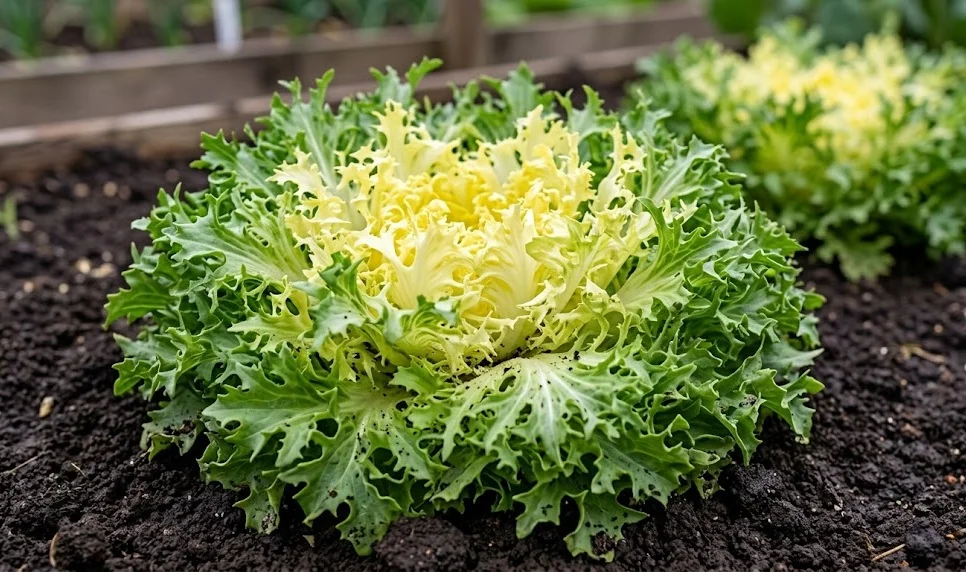

Overwintering endive lettuce is a specialized technique that allows gardeners to extend their harvest into the coldest months or secure an early start for the following spring. While endive is naturally frost-tolerant, successful overwintering requires a strategic approach to protect the plants from extreme temperature fluctuations and excessive winter moisture. By utilizing professional protection methods and selecting the most resilient varieties, you can enjoy fresh, home-grown greens even when the rest of the garden is dormant. This practice not only maximizes land use but also provides a unique culinary reward during the winter season.
Selecting hardy varieties for cold weather
The success of any overwintering project begins with choosing the right genetic stock that can withstand the rigors of winter. Not all endive varieties are created equal when it comes to cold tolerance, with some being specifically bred for late-season production. Broad-leaved Escarole types are generally considered more robust and less prone to rot during cold, damp periods than their curly-leaved counterparts. Look for variety descriptions that explicitly mention “cold hardiness” or “winter production” to ensure you are starting with the best possible candidates.
Italian heirloom varieties are often favored by professionals for overwintering because they have been selected over centuries for their resilience in Mediterranean winters. These plants have a slower growth rate in low light conditions, which helps them maintain their cellular integrity even when temperatures dip below freezing. Choosing a variety that is naturally slower to bolt is also beneficial, as the transition from winter to spring can often trigger premature flowering. Researching the specific performance of different cultivars in your local climate is a crucial first step.
The timing of your planting for overwintering is just as important as the variety you select for the task. The goal is to have the plants reach about seventy-five percent of their mature size before the first hard freeze and the onset of short winter days. If the plants are too small, they won’t have the energy reserves to survive; if they are too large, they may become more susceptible to frost damage and rot. Finding this “Goldilocks” window requires a bit of experimentation but is usually about six to eight weeks before the consistent frosts arrive.
In addition to genetic hardiness, the physical health of the plant as it enters winter plays a major role in its survival. Only the strongest, most vigorous individuals should be chosen for overwintering, as any pre-existing stress will be magnified by the cold. Ensure the plants have been well-fed and consistently watered throughout the autumn to build up their strength. A healthy plant has a higher concentration of sugars in its sap, which acts as a natural antifreeze against the freezing temperatures of mid-winter.
More articles on this topic
Protective structures and row covers
Even the hardiest endive will benefit from some form of physical protection when the truly bitter cold of January and February arrives. Floating row covers made of spun-bonded polyester are a professional favorite because they are lightweight and allow light and water to pass through. These covers trap a small amount of heat from the earth, creating a microclimate that can be several degrees warmer than the surrounding air. For extreme cold, using a double layer of row cover can provide significantly more protection without crushing the delicate leaves.
Cold frames are another highly effective tool for overwintering endive, acting like a miniature, unheated greenhouse. These structures, typically made of wood with a glass or clear plastic lid, protect the plants from harsh winds and heavy snow loads. It is important to vent the cold frame on sunny winter days to prevent the temperature inside from rising too high, which could cause the plants to grow too quickly or wilt. A well-managed cold frame can keep endive in a state of suspended animation, ready to be harvested at any time.
For those with more space, a high tunnel or hoop house offers the ultimate environment for winter production of leafy greens. These structures provide a large volume of protected air, which stabilizes temperatures and keeps the soil from freezing as deeply as it would in the open. Growing endive under a high tunnel also protects the foliage from the damaging effects of winter rain and sleet, which often lead to rot. The increased light levels inside these structures can even allow for some slow growth during the darkest weeks of the year.
If you don’t have specialized structures, a thick layer of organic mulch can provide a surprisingly effective level of protection for the roots and lower stems. Clean straw or shredded leaves can be piled loosely around the plants to insulate the soil and prevent the damaging cycle of freezing and thawing. Be careful not to bury the entire plant too deeply, as the leaves still need access to some light and air to stay healthy. This “low-tech” approach is often sufficient for moderately cold climates where the ground doesn’t stay frozen for months on end.
More articles on this topic
Root storage and cellar techniques
In regions where the winter is too severe for the plants to survive in the ground, a traditional root storage method can be used. This involves lifting the mature endive plants from the garden with their root balls intact before the first deep freeze. The outer leaves are trimmed back, and the plants are placed upright in boxes of moist sand or peat moss in a cold, dark cellar. This method keeps the plant alive and dormant, allowing you to “harvest” fresh heads throughout the winter months.
The ideal temperature for this type of storage is just above freezing, between one and four degrees Celsius, with high humidity to prevent wilting. If the cellar is too dry, the leaves will lose their crispness; if it is too warm, the plants may attempt to grow in the dark, resulting in pale, weak sprouts. Checking the moisture of the sand regularly is necessary to ensure the roots remain hydrated without becoming waterlogged. This ancient technique is still used by gourmet growers to provide high-quality endive long after the garden has been covered in snow.
Some growers use this storage period to perform a specialized type of blanching by keeping the plants in total darkness. As the endive slowly grows in the cellar, the new leaves that emerge will be exceptionally tender and mild in flavor. This is similar to the process used for Belgian endive, although the varieties are slightly different. The result is a premium winter vegetable that is highly sought after for its delicate texture and refined taste.
When you are ready to use a plant from storage, simply remove it from the sand and trim away the roots and any older, withered leaves. The heart of the plant should remain fresh and crunchy, providing a welcome taste of the garden in the middle of winter. This method requires a bit more effort than leaving plants in the ground, but it offers a level of security and quality that is hard to match. It is a wonderful way to connect with traditional agricultural wisdom while providing for your own kitchen.
Managing moisture and rot in winter
The greatest enemy of overwintering endive is not usually the cold itself, but rather the excess moisture that often accompanies winter weather. When the air is cold and stagnant, water doesn’t evaporate quickly, creating a perfect environment for Botrytis and other grey molds. These fungi can quickly turn a beautiful head of endive into a brown, mushy mess if the air around the plant remains too damp. Ensuring that your protective structures are well-ventilated is the most important step in preventing winter rot.
If you are using row covers, make sure they are not resting directly on the leaves if possible, as moisture can wick through the fabric and sit on the foliage. Using small wire hoops to hold the cover a few inches above the plants creates an insulating air gap and improves ventilation. During periods of rain or melting snow, check that water is not pooling around the base of the plants, which could lead to root rot. Good drainage is even more critical in the winter than it is during the summer growing season.
Removing any dead or decaying leaves as soon as you see them is a vital part of winter maintenance for endive. These dying tissues are the primary entry point for pathogens that can then spread to the healthy parts of the plant. A quick inspection every week or two, especially during a mid-winter thaw, can help you stay ahead of any emerging problems. Keeping the garden area clean and free of debris reduces the number of places where pests and diseases can hide during the dormant season.
As the days begin to lengthen in late winter, the plants will naturally start to wake up and begin new growth. This is a critical time to monitor moisture and nutrient levels, as the plants will need a little extra support to make their final push toward harvest. A light application of a diluted liquid fertilizer can help jump-start this new growth once the soil begins to warm. By managing the balance between protection and ventilation, you can successfully navigate the challenges of winter and emerge with a bountiful early-spring crop.