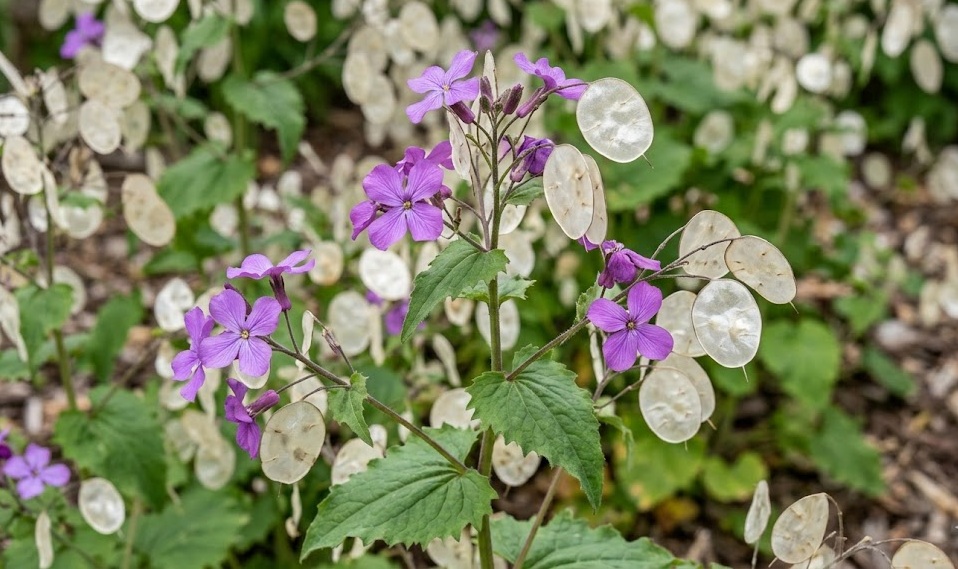

The relationship between this biennial and the sun is a defining factor in its growth habit and seed production. Originating from woodland edges and clearings, it has evolved to thrive in environments that offer filtered or intermittent light. Understanding how to manage light exposure is essential for producing the most vibrant flowers and the highest quality seed pods. While it is a versatile plant, placing it in the wrong light conditions can lead to a variety of physiological issues.
In its natural habitat, this species is often found in the dappled shade provided by deciduous trees. This environment offers bright, indirect light for much of the day, which prevents the soil from drying out too quickly. In a garden setting, a location that receives morning sun and afternoon shade is often considered ideal. This balance protects the large, thin leaves from the intense heat of the midday sun while providing enough energy for growth.
If the plant is grown in deep, heavy shade, it will often become leggy and weak as it stretches toward the light. This leads to sparse flowering and stems that are too fragile to support the weight of the developing pods. In these conditions, the foliage may also remain damp for longer, increasing the risk of fungal diseases. Providing at least some daily direct sunlight or very bright indirect light is necessary for a sturdy plant.
On the other end of the spectrum, full sun can be tolerated, especially in cooler, northern climates with high humidity. However, in regions with intense summer heat, full exposure can cause the leaves to wilt or develop scorched edges. If you must plant in a sunny spot, ensure that the soil is kept consistently moist and enriched with organic matter. Mulching becomes even more important in these bright locations to keep the root zone cool.
Impact of light on the biennial cycle
During the first year, the light requirements are focused on maximizing the energy stored in the green rosette. The large surface area of the leaves is designed to capture as much light as possible, even in shaded locations. Healthy leaf growth during this phase is the direct result of adequate light levels combined with proper nutrition. If the first-year rosettes are too shaded, they may not accumulate enough energy to flower successfully the following year.
More articles on this topic
The transition to the flowering stage in the second year is often triggered by the increasing day length of spring. This photoperiodic response ensures that the plant blooms at the optimal time for its insect pollinators. During this rapid growth phase, the plant’s demand for light increases as it produces tall stems and numerous flowers. A well-lit site during the spring months ensures a dense cluster of blossoms and a high rate of successful pollination.
The maturation of the seed pods is the final stage that is heavily influenced by light exposure. The characteristic translucence and silver sheen of the pods develop best when they are allowed to dry in the late summer sun. Stems grown in too much shade may produce pods that remain green and dull for a longer period. Sunlight helps to bleach the outer husks, resulting in the iconic “silver coin” appearance that is so prized by gardeners.
Light also plays a role in the natural self-seeding process that many gardeners rely on. Seeds that fall in a well-lit area are more likely to germinate and grow into vigorous new plants. The cycle of the honesty plant is a dance with the sun, from the initial sprout to the final drying pod. By observing how the light moves through your garden, you can find the perfect home for these luminous biennials.
Optimizing light for decorative results
For those who grow this plant for its aesthetic value, the quality of light is just as important as the quantity. Backlighting is a professional design secret for making the most of the translucent seed pods. When the sun is low in the sky, its rays pass through the silver membranes, creating a glowing effect that is truly magical. Placing the plants to the east or west of a viewing point allows you to enjoy this display every morning or evening.
More articles on this topic
In a mixed border, the height of neighboring plants must be considered to prevent the honesty plant from being overshadowed. Taller perennials or shrubs should be placed to the north or far enough away that they do not block the essential sunlight. In a cottage garden style, these biennials work well when nestled among lower-growing flowers that don’t compete for vertical space. Proper planning ensures that every plant gets its fair share of the sun’s energy.
If you find that your plants are not performing well, light exposure is one of the first things to investigate. You can often tell if a plant is unhappy with its light levels by observing its growth direction and leaf color. A plant leaning heavily in one direction is clearly searching for more sun, while one with pale, bleached leaves might be getting too much. Adjusting the surrounding vegetation, such as pruning overhanging branches, can often solve these problems.
Ultimately, the versatility of the honesty plant makes it a favorite for many different types of gardens. Its ability to tolerate partial shade makes it a valuable asset for those difficult corners where other flowers might struggle. By matching the plant’s light needs with the unique microclimates of your garden, you can achieve professional-level results. The play of light on a patch of silver honesty is one of the true rewards of a well-planned garden.