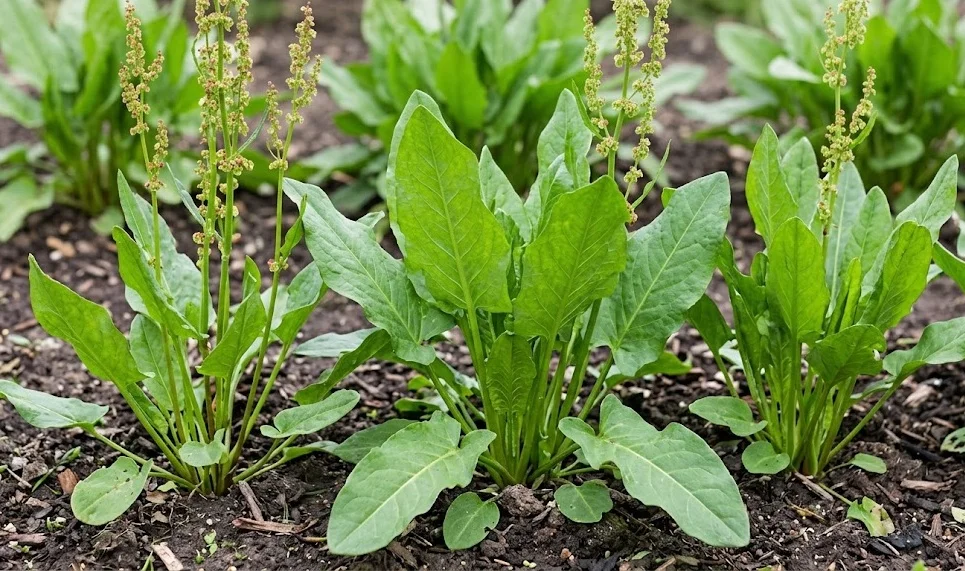

Sorrel is a relatively flexible plant when it comes to light, but for professional results, providing full sun is generally recommended. Full sun, which means at least six to eight hours of direct sunlight per day, stimulates the most vigorous growth and the highest yield. In these conditions, the leaves develop a robust texture and the characteristic sharp flavor that chefs and home cooks value. Access to plenty of light also helps the soil warm up quickly in the spring, leading to an earlier harvest.
While it thrives in the sun, sorrel is unique among many herbs because it can also perform quite well in partial shade. In fact, in regions with extremely hot summers, some afternoon shade can actually be beneficial to the plant’s overall health. Too much intense heat and direct sunlight in the middle of the day can cause the leaves to wilt or become overly bitter. A spot that receives morning sun and filtered light in the afternoon is often considered the perfect compromise for many climates.
The intensity of the light also influences the rate at which the plant moves toward the bolting stage, where it produces seeds. Plants grown in very high light and heat will often flower much sooner than those in cooler, slightly shadier positions. For the professional grower, managing light is a way to balance the speed of growth with the duration of the harvest window. Understanding the specific light patterns in your garden throughout the day and the seasons is a fundamental task.
When planning your garden layout, consider the shadows cast by buildings, fences, or larger trees that might affect your sorrel bed. As the seasons change, the angle of the sun shifts, and an area that was in full sun in June might be in deep shade by September. Professional agricultural planning takes these shifts into account to ensure that the crops receive the energy they need at the right time. Proper light placement is one of the most cost-effective ways to improve the quality of your perennial herb production.
Light and leaf quality
The amount of light a sorrel plant receives has a direct impact on the physiological characteristics of its leaves. Plants grown in brighter conditions tend to have thicker, more resilient leaves with a more concentrated flavor profile. Conversely, those grown in more shaded environments may produce larger, thinner leaves that are more tender but slightly less flavorful. Depending on your culinary goals, you might choose to manipulate the light levels to achieve a specific type of foliage.
More articles on this topic
Insufficient light can lead to leggy growth, where the stems become long and weak as the plant reaches toward the nearest light source. This not only makes the plant more susceptible to physical damage from wind or rain but also reduces the overall density of the harvest. If your sorrel looks pale and sparse, it is likely a sign that it is not receiving enough energy from the sun. In such cases, you may need to prune back overhanging branches or consider relocating the plants to a brighter area.
Light also plays a role in the color of the foliage, with full sun typically producing a more vibrant and consistent green. In deep shade, the leaves can sometimes take on a duller appearance, which may reduce their visual appeal in a professional market setting. However, for home use, the differences are often minimal and do not significantly affect the nutritional value of the herb. The key is to find the right balance that provides enough energy for healthy growth without causing heat stress.
For professional growers interested in year-round production, supplemental lighting can be used in greenhouses or indoor setups. High-intensity discharge lamps or specialized LED grow lights can provide the full spectrum of light needed for high-quality leaf production during the winter. This technology allows for precise control over the growing environment and can significantly extend the availability of fresh sorrel. Managing light quality and duration is a sophisticated part of modern agricultural practice.
Managing seasonal light changes
The change in day length throughout the year is a major signal for the sorrel plant to transition between different stages of its life cycle. In the spring, increasing light triggers the emergence of new leaves and a rapid increase in metabolic activity. During the long days of early summer, the plant is at its most productive but also begins to sense the environmental cues to produce flowers. Professional growers use their knowledge of these signals to time their harvests and maintenance tasks more effectively.
More articles on this topic
In the height of summer, managing excessive light and the accompanying heat is often more of a priority than seeking more sun. Using shade cloths or temporary covers can help reduce the light intensity and lower the temperature around the plants by several degrees. This can prevent the leaves from becoming scorched and slow down the bolting process, extending the period during which the herb is edible. This type of active light management is a hallmark of a professional approach to intensive gardening.
As the days shorten in the autumn, the reduction in light signals the plant to begin moving its energy reserves down into the roots. You will notice that the growth rate slows down significantly, and the leaves may not recover as quickly after a harvest. During this time, it is important to ensure that the plants are not being shaded out by dying annuals or fallen leaves from nearby trees. Maximizing the available autumn light helps the plant build up the strength it needs to survive the coming winter.
Winter light is much less intense and the days are too short for significant growth, but the light still plays a role in the dormancy process. In greenhouses, light levels must be carefully managed to prevent the plants from becoming active too early if the temperatures are also being controlled. For outdoor plants, the angle of the winter sun affects how quickly the ground thaws in the spring. Understanding these seasonal dynamics allows the professional to work in harmony with the natural environment for the best results.