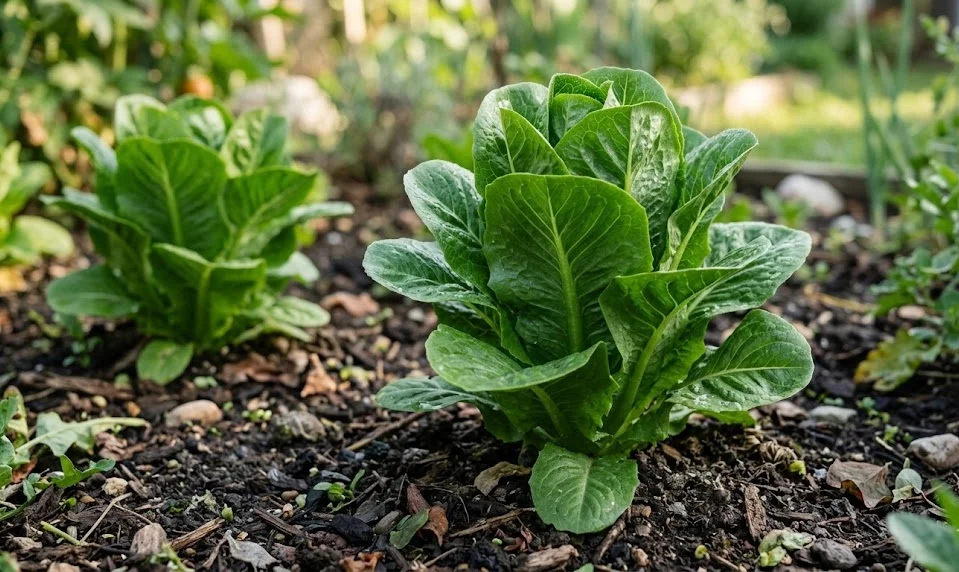

Understanding the light requirements of romaine lettuce is essential for producing high-quality heads that are both crisp and delicious. These plants typically perform best when they receive at least six to eight hours of direct sunlight each day during the cooler months. Sunlight provides the energy needed for photosynthesis, which in turn fuels the rapid growth of the broad, green leaves. Without enough light, your lettuce may become leggy and pale, lacking the robust structure that is characteristic of this variety.
In the early spring and late autumn, you should place your romaine in the sunniest part of your garden to take advantage of every bit of available light. The lower angle of the sun and shorter days mean that the intensity of the light is much less than it is in mid-summer. Maximum exposure during these periods helps the plants stay warm and encourages steady development even when temperatures are mild. A south-facing location is often the most productive spot for your leafy green crops during these shoulder seasons.
However, too much direct sun during the hottest part of the year can actually be detrimental to the health of your romaine lettuce. When temperatures rise above 80 degrees Fahrenheit, intense sunlight can cause the leaves to wilt or even develop unsightly brown burns on the edges. In these conditions, the plant may also be triggered to bolt, which ruins the flavor and texture of the harvest. Finding a balance between providing enough light for growth and protecting the plants from excessive heat is a key skill for any successful gardener.
If you are growing your lettuce in a particularly hot climate, you may find that providing some dappled shade in the afternoon is beneficial. This can be achieved by planting your romaine near taller crops or by using a light-colored shade cloth to filter the sun’s rays. The goal is to provide bright, indirect light that allows the plant to continue growing without the stress of extreme heat. Professional growers often use these techniques to extend their harvest well into the warmer months of the year.
Managing heat stress and light intensity
Heat stress is a common problem for romaine lettuce when the combination of intense light and high temperatures becomes too much for the plant to handle. One of the first signs of stress is the leaves becoming limp during the midday sun, even if the soil is properly hydrated. While the plants may recover in the evening, repeated wilting can lead to a bitter taste and a tougher leaf texture over time. Monitoring the intensity of the light in your garden will help you decide when it is time to intervene.
More articles on this topic
Using temporary shade structures is an effective way to manage the light levels reaching your vegetable beds during heatwaves. A simple framework of PVC pipes or wooden stakes covered with a breathable fabric can lower the temperature under the cover by several degrees. This small reduction in heat and light intensity can make a huge difference in the quality of your lettuce heads. Remember to remove the shade once the weather cools down or during periods of prolonged cloudy weather to ensure the plants still get enough light.
The orientation of your garden rows can also influence how much light and heat each individual plant receives throughout the day. North-south oriented rows ensure that each plant gets an equal amount of morning and afternoon sun as the day progresses. In very hot areas, an east-west orientation might allow you to use taller companion plants to provide natural shade during the most intense afternoon hours. Planning your garden layout with light and heat management in mind is a professional approach to vegetable production.
Reflective mulches are a specialized tool that some gardeners use to increase the amount of light reaching the underside of the leaves. While this is more common for crops like tomatoes or peppers, it can also be used for lettuce in very shady gardens. However, you must be careful, as these mulches can also increase the temperature of the soil and the air around the plants. Always consider the primary needs of your crop—which for romaine is usually staying cool—before adding reflective materials to your garden.
Indoor lighting solutions and supplementary light
If you are starting your romaine lettuce seeds indoors or growing them in a low-light area, you will likely need to provide supplementary lighting. Natural light from a window is often insufficient, especially during the winter months when the days are short and the sun is low. Without enough light, seedlings will stretch toward the window, becoming weak and prone to falling over. Using a dedicated grow light system ensures that your young plants receive the consistent, intense light they need to grow strong and healthy.
More articles on this topic
LED grow lights are a popular and energy-efficient choice for home gardeners who want to supplement the natural light in their space. These lights can be adjusted to provide specific spectrums of light that are most beneficial for leaf growth and plant development. Positioning the lights just a few inches above the tops of the seedlings will provide the most benefit without any risk of heat damage. As the plants grow taller, you should raise the lights to maintain a consistent distance from the foliage.
Fluorescent lights, such as T5 or T8 tubes, are another reliable and affordable option for providing extra light to your indoor lettuce garden. They produce very little heat and provide a broad spectrum of light that is well-suited for the needs of leafy greens. You should keep these lights on for about 12 to 14 hours a day to mimic a long summer day and encourage rapid growth. Using a simple plug-in timer can automate this process and ensure your plants get a consistent routine every single day.
For those with very limited natural light, it is possible to grow romaine lettuce entirely under artificial lights from seed to harvest. This controlled environment allows you to manage every aspect of the plant’s life, from temperature and humidity to the exact amount of light it receives. While this requires more equipment and attention, it can provide you with fresh, professional-quality greens all year round. Indoor gardening is a fantastic way to continue your horticultural hobby regardless of the weather or the season outside.