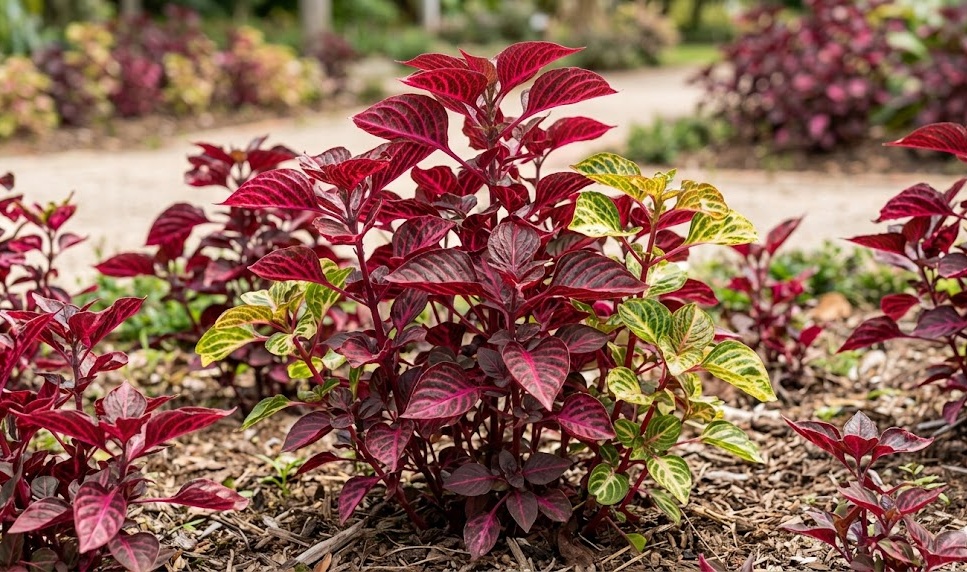

Light is the primary energy source that fuels the incredible color of this tropical species. Without enough brightness, the deep reds and purples will quickly fade into a dull, uninspiring green. You must find the perfect balance between providing enough energy and protecting the leaves from damage. Understanding how light interacts with the plant’s biology is the key to maintaining its visual impact.
In its native habitat, this plant grows on the forest floor where light is bright but filtered by the canopy above. This means it has evolved to thrive in “dappled” sunlight rather than the harsh, direct rays of the midday sun. You should aim to replicate this environment by placing it near a window with a sheer curtain. This setup provides high-intensity light while softening the heat that can cause the leaves to scorch.
The duration of light exposure is just as important as the intensity for maintaining healthy growth. In the tropics, day length is relatively consistent throughout the year, usually around twelve hours. In northern climates, the shorter days of winter can be a significant challenge for this plant. You may need to adjust the plant’s position as the seasons change to ensure it gets enough energy to survive.
You can actually “read” the plant’s light needs by looking closely at the spaces between the leaves on the stem. If the gaps are very short and the plant looks dense, the light levels are likely perfect. If the plant is reaching upward with long, thin stems and wide gaps, it is desperately searching for more light. These visual cues allow you to make adjustments before the plant’s health begins to decline.
Optimal sun exposure
An east-facing window is often the “Goldilocks” spot for this plant in most residential settings. It provides bright, cool morning sun that energizes the plant without the risk of overheating it in the afternoon. The gentle rays of the early sun help the plant start its metabolic processes for the day. By the time the sun is at its hottest, the plant is safely in the shade provided by the building.
More articles on this topic
If you only have south-facing windows, you must be more careful about the distance from the glass. The intense afternoon sun in a southern exposure can easily burn the delicate, fleshy leaves of the bloodleaf. You should place the pot a few feet back from the window or use a translucent barrier to diffuse the light. Monitoring the leaf temperature on a hot day can help you decide if the spot is too intense.
West-facing windows can also work well, provided you are mindful of the late-afternoon heat buildup. The sun in the late afternoon can be surprisingly strong and may lead to wilting if the plant is not well-hydrated. You might find that the plant grows very quickly in this location, but the leaf color may be slightly less intense than in cooler light. Always watch for signs of stress during the hottest parts of the summer.
Outdoor specimens thrive best when they are placed in a spot that receives morning sun and afternoon shade. Under the light shadow of a larger tree or on a covered porch are excellent locations for the summer months. The natural movement of the sun will provide a variety of light intensities throughout the day. This dynamic lighting environment often produces the most robust and colorful foliage.
Identifying light stress
One of the most obvious signs of insufficient light is the loss of the plant’s characteristic red or purple pigment. You will see the leaves turning a pale green as the plant produces more chlorophyll to capture what little light is available. While the plant may still grow, it will lose the aesthetic appeal that makes it so popular. Moving the plant to a brighter location will usually see the colors return within a few weeks.
More articles on this topic
Leaf scorch is the result of too much direct, intense sunlight hitting the foliage for too long. It appears as brown, dry, or translucent patches on the leaves that feel crispy to the touch. Once a leaf is scorched, it cannot heal itself, and the damage is permanent for that specific leaf. If you see this happening, move the plant to a more protected area immediately to save the rest of the foliage.
Legginess, or “etiolation,” occurs when the plant stretches its stems toward a distant light source. The plant becomes weak and may eventually fall over because the thin stems cannot support the weight of the leaves. This is a clear signal that the current location is far too dark for the plant’s metabolic needs. Pruning the leggy growth and moving the plant to a brighter spot is the only way to fix this issue.
Phototropism is the natural tendency of plants to grow toward the light, which can cause them to become lopsided. While not necessarily a sign of stress, it does affect the overall beauty and balance of the specimen. You should rotate the pot by ninety degrees every few days to ensure all sides get equal exposure. This simple habit keeps the plant growing in a symmetrical, upright fashion.
Managing light indoors
During the winter months, even your brightest window might not provide enough light for a tropical bloodleaf. You can help the plant by moving it as close to the window as possible without it touching the cold glass. Cleaning the window glass regularly also ensures that the maximum amount of light can penetrate the room. Every bit of extra energy counts when the days are short and the sky is often overcast.
Supplemental grow lights are a fantastic investment for anyone who wants to keep their tropical plants vibrant all year. Modern LED grow lights are energy-efficient and can be tailored to provide the specific wavelengths the plant needs. You can set them on a timer to provide twelve to fourteen hours of “sunlight” regardless of the weather outside. This consistency allows the plant to maintain its deep red colors even in the middle of January.
Reflective surfaces near the plant can also help increase the total amount of light it receives. Placing the pot near a white wall or using a mirror to bounce light into a dark corner can make a surprising difference. This technique is particularly useful in apartments or offices where window space is limited. It is a low-cost way to maximize the natural resources already available in your home.
Always remember that light requirements are closely tied to the plant’s water and nutrient needs. A plant in high light will grow faster and use more water and fertilizer than one in a dimmer spot. As you move your plant to a brighter location, be prepared to check the soil moisture more frequently. Managing these interconnected factors is the hallmark of a truly skilled and observant gardener.