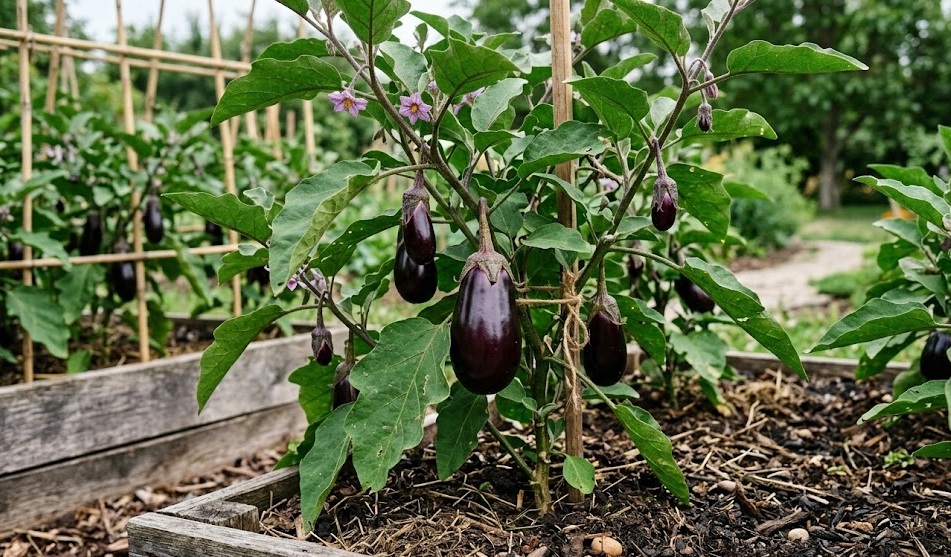

Eggplants are quintessential sun-lovers, tracing their evolutionary roots back to the tropical regions of Asia where light intensity is consistently high. For these plants, sunlight is not just a preference but a fundamental requirement that drives every aspect of their metabolic and reproductive life. Without sufficient light, the complex chemical reactions needed to produce large, flavorful fruits simply cannot occur at an optimal rate. Understanding how to manage and maximize light exposure is one of the most important factors in achieving professional success with this demanding crop.
Direct sunlight and photosynthetic efficiency
To thrive and produce a high-quality harvest, eggplants require a minimum of six to eight hours of direct, unfiltered sunlight every day. This intense light is the fuel for photosynthesis, the process by which the plant converts carbon dioxide and water into the sugars that build its structure and fill its fruits. In regions with shorter growing seasons or frequent cloud cover, placing the plants in the sunniest possible location is absolutely critical. A south-facing slope or a position against a heat-retaining wall can provide the extra energy needed for peak performance.
The intensity of the light is just as important as the duration, as the rate of photosynthesis increases linearly with light levels up to a certain point. When the light is insufficient, the plant becomes “leggy,” with long, weak stems and small, pale leaves that struggle to support the weight of any fruit. Furthermore, low light levels often lead to poor flower development and a significantly reduced rate of pollination. By ensuring maximum sun exposure, you are providing the plant with the raw energy it needs to build a robust canopy and a prolific root system.
Spacing between the plants is a crucial aspect of light management that is often overlooked by novice gardeners. If eggplants are planted too close together, the large, broad leaves will eventually shade each other, leading to a decline in the health of the lower foliage. This self-shading not only reduces the plant’s overall energy production but also creates a humid microclimate that is highly conducive to fungal diseases. Maintaining a distance of at least sixty centimeters between plants ensures that light can penetrate deep into the canopy, reaching even the lowest branches.
In the height of summer, the quality of the light changes, and the plants must manage the intense ultraviolet radiation along with the heat. While they love the sun, extreme solar radiation combined with high temperatures can sometimes lead to sunscald on the developing fruits. This manifests as papery, white patches on the skin where the tissue has literally been “cooked” by the sun. Ensuring that the plant has enough nitrogen to maintain a healthy leaf canopy is the best way to provide natural “shade” for the sensitive fruits while they ripen.
More articles on this topic
Managing light and heat in extreme conditions
While sunlight is essential, it is often accompanied by heat that can exceed the eggplant’s comfort zone during intense summer heatwaves. When temperatures rise above thirty-five degrees Celsius, the plant may enter a state of temporary dormancy or drop its blossoms to conserve moisture. In these extreme conditions, providing some light, filtered shade during the hottest part of the afternoon can actually be beneficial. Using a light-colored shade cloth that blocks about thirty percent of the sun can lower the temperature without significantly reducing the light needed for growth.
The relationship between light, heat, and water is a delicate balance that must be managed daily during the peak of the growing season. High light levels increase the rate of transpiration, meaning the plant loses water through its leaves much more quickly than it would in the shade. If the root system cannot keep up with this demand, the plant will wilt, which shuts down the photosynthetic process and halts fruit development. This is why consistent irrigation is so closely tied to light management; you cannot have one without the other in a successful garden.
Reflective mulches are a specialized tool used by professional growers to increase the amount of light reaching the underside of the leaves. These silver or white plastic films reflect sunlight back up into the canopy, boosting the light levels in areas that would normally be shaded. This technique has been shown to increase yields and even deter certain pests like aphids and thrips, which are disoriented by the reflected light. While not necessary for every garden, it is an example of how light can be manipulated to achieve superior horticultural results.
For those growing eggplants in greenhouses or high tunnels, light management becomes even more complex due to the covering material. Modern greenhouse plastics are designed to diffuse the light, spreading it more evenly across the plants and reducing the risk of hot spots or shadows. However, these materials also degrade over time and can become dirty, significantly reducing the amount of light that reaches the crop. Keeping the greenhouse covers clean and replacing them when they become opaque is a vital part of maintaining the high light levels these plants demand.
More articles on this topic
Greenhouse lighting and season extension
In northern latitudes or during the early spring, natural sunlight is often insufficient for the rapid growth and flowering of eggplants. Supplemental lighting using high-intensity discharge (HID) or full-spectrum LED lamps can bridge this gap and allow for a much longer growing season. These artificial light sources can be used to extend the day length or to increase the total light intensity during cloudy periods. Providing fourteen to sixteen hours of light can keep the plants in a state of active growth even when the outside environment is less than ideal.
The spectrum of the light is a critical consideration when choosing supplemental lamps for your eggplant crop. Blue light is essential for vegetative growth and maintaining a compact, sturdy plant habit, while red light is the primary driver for flowering and fruit set. Many modern LED systems allow you to adjust the ratio of these colors to match the specific growth stage of the plant. This level of control allows the gardener to “fine-tune” the plant’s development, ensuring it has exactly what it needs at the right time.
Positioning the lights at the correct height is a technical detail that can significantly impact the efficiency of your lighting setup. If the lamps are too far away, the light intensity drops off rapidly, but if they are too close, the heat from the bulbs can burn the tender growing tips. Adjusting the height of the lights as the plants grow is a necessary part of the daily routine in a high-tech indoor or greenhouse environment. Monitoring the temperature at the leaf surface is the best way to ensure that your lighting is providing energy without causing thermal stress.
Finally, remember that plants also need a period of darkness to complete their metabolic cycles and rest their internal systems. A “twenty-four-hour sun” approach can lead to physiological disorders and will eventually exhaust the plant, making it more susceptible to disease. Aim for a consistent “day and night” cycle that mimics the natural tropical rhythm of twelve to fourteen hours of light followed by a period of total darkness. This balance ensures that the eggplant can effectively process the energy it has collected during the day and prepare for the next round of growth.