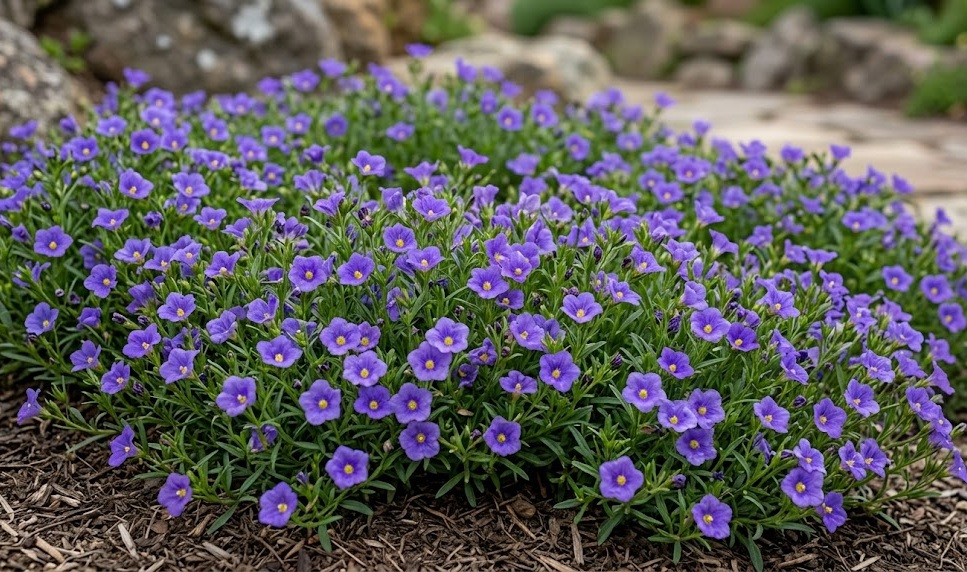

The relationship between the cupflower and the sun is a fundamental aspect of its successful cultivation in any professional garden. Light provides the essential energy that drives photosynthesis, growth, and the production of its iconic blossoms. Understanding how to manage solar exposure is a critical skill that determines the health and aesthetic quality of your display. By mastering the light requirements of this species, you can ensure it reaches its full potential as a centerpiece of your landscape.
Full sun is generally considered the gold standard for achieving the most prolific and dense flowering display from these plants. In most temperate climates, this means providing at least six to eight hours of direct, unfiltered sunlight every day. This high level of light intensity encourages a compact growth habit and prevents the stems from becoming leggy or weak. A professional gardener always prioritizes the most sun-drenched spots in the garden for this sun-loving species.
The quality of light throughout the day also plays a significant role in how the plant develops its structure and color. Morning sun is often preferred because it is less intense than the harsh afternoon rays, allowing the plant to hydrate and prepare for the heat. In very hot southern regions, some light dappled shade during the peak of the afternoon can actually be beneficial to prevent scorched petals. Finding the professional balance between maximum light and heat protection is a subtle art.
Phototropism, the tendency of plants to grow toward the light source, can affect the overall symmetry of your garden bed. If the light is only coming from one direction, the plants may lean or become uneven in their growth pattern. Ensuring that the light is as uniform as possible across the planting area will result in a more professional and balanced appearance. This can often be managed by careful placement and the removal of overhanging branches from nearby trees or shrubs.
Managing heat stress and light intensity
While the cupflower loves the sun, there is a limit to how much heat it can handle before showing signs of physiological stress. In high-temperature environments, the plant may temporarily wilt during the hottest part of the day as a defense mechanism to reduce moisture loss. This is not necessarily a sign of drought, but rather a reaction to extreme light and heat intensity. A professional understands this distinction and avoids the reflex to overwater during these brief periods of stress.
More articles on this topic
Providing a reflective mulch or light-colored stones around the plants can sometimes help manage the soil temperature in very bright areas. Conversely, dark mulches absorb more heat and can lead to the soil becoming uncomfortably warm for the delicate root systems. Selecting the right materials to complement the light conditions of your site is a mark of professional attention to detail. This holistic approach ensures that the plant’s entire environment is optimized for its specific needs.
In some cases, the use of temporary shade cloths may be necessary during record-breaking heatwaves to protect the most sensitive specimens. These professional tools allow light to pass through while significantly reducing the damaging ultraviolet radiation and heat. This intervention can prevent the flowers from bleaching and the leaves from developing permanent brown scorch marks. Being prepared to provide this level of protection is part of a professional and proactive gardening mindset.
Monitoring the color of the foliage is a good way to gauge if the light intensity is appropriate for your plants. Leaves that are a deep, vibrant green usually indicate that the plant is receiving the perfect amount of energy for its needs. If the foliage begins to look pale or yellowish, it might be receiving too much light, while a dark but sparse appearance suggests it needs more sun. A professional uses these visual cues to make informed decisions about plant placement and care.
Performance in shaded environments
Although the cupflower is a sun-lover, it can sometimes be grown in areas with partial or dappled shade with varying degrees of success. In these lower-light conditions, the plant may not produce as many flowers and the growth habit will likely be more open and trailing. This can actually be a desirable aesthetic in some garden designs, such as in a woodland edge or under a high-canopy tree. A professional knows how to adapt their expectations and care routines when working with less-than-ideal light levels.
More articles on this topic
Air circulation becomes even more critical when growing this species in shaded or humid areas of the garden. Lower light levels often mean that moisture on the leaves takes longer to evaporate, increasing the risk of fungal issues like powdery mildew. Ensuring that the plants are not overcrowded and are kept away from stagnant corners is a professional way to mitigate these risks. Proper spacing is the best partner for success when the sun is not at its full strength.
Supplemental lighting is a professional option for those growing cupflowers in very deep shade or indoors in a sunroom. Modern LED grow lights can provide the specific spectrum of light needed to trigger flowering even in the absence of natural sun. This allows for a much wider range of creative possibilities for using these plants in various parts of the home or garden. Mastering the use of artificial light is an advanced skill that adds another dimension to your professional horticultural toolkit.
Seasonal changes in the sun’s path should also be considered when planning your garden’s layout for the entire year. A spot that is in full sun during the summer may be in deep shade during the spring or autumn as the sun sits lower in the sky. A professional gardener observes these patterns and selects sites that provide the best light during the plant’s most active growing and blooming months. This long-term spatial awareness is what ensures a consistently beautiful and healthy garden display.