
Protecting your vine from the various threats of the indoor world is an essential part of being a responsible and successful plant owner. While this species is generally quite hardy, it can still fall victim to common pests and diseases if it becomes stressed or weakened by poor environmental conditions. You should make it a habit to inspect your plants regularly so that you can catch any problems before they have a chance to spread. A quick response is often the difference between a minor annoyance and a total loss of your favorite specimen.
When you are checking your plant, look closely at the undersides of the leaves and the junctions where the leaves meet the stems. These hidden spots are the favorite hiding places for many small insects that feed on the plant’s sap and weaken its overall health. You should also watch for any unusual changes in leaf color, texture, or the appearance of sticky residues on the foliage. Early detection is your best weapon against the many challenges that can arise in a diverse indoor garden.
Many problems are actually caused by environmental stress rather than by actual pests or pathogens from the outside world. For example, a plant that is kept in too much shade or in soil that stays wet for too long will be much more susceptible to fungal infections. By providing the ideal light, water, and air circulation, you are creating a strong and resilient plant that can naturally defend itself. Prevention through proper care is always the most effective strategy for keeping your collection healthy and vibrant.
If you do find a problem, don’t panic, as most common pests and diseases can be treated successfully with a bit of patience and the right methods. You should isolate the affected plant from the rest of your collection to prevent the issue from spreading to your other green companions. Take the time to identify exactly what is wrong so that you can choose the most effective treatment for the specific situation. With the right knowledge, you can handle almost any challenge that comes your way.
Dealing with mealybugs and scale
Mealybugs are one of the most common and frustrating pests that target these waxy-leaved plants in our homes. These small, white insects look like tiny bits of cotton and often hide in the tight crevices of the stems and leaves. They feed on the sap of the plant, which can lead to stunted growth, yellowing foliage, and a general lack of vitality. If you see these fuzzy white spots, you need to act quickly to stop them from multiplying and taking over the entire vine.
More articles on this topic
One of the most effective ways to remove mealybugs is to use a cotton swab dipped in rubbing alcohol to dab them directly. The alcohol dissolves their protective waxy coating and kills them instantly without harming the plant’s leaves if used in moderation. You should repeat this process every few days for several weeks to make sure you catch any new insects that might have hatched. It takes persistence to completely eradicate a mealybug infestation, so don’t give up after just one treatment.
Scale insects are another common problem and can be even harder to spot because they look like small, brown bumps on the stems. These pests are actually related to mealybugs but have a hard, protective shell that makes them resistant to many standard sprays. You can use the same alcohol-dabbing technique or gently scrape them off with a fingernail or a soft brush. Like mealybugs, scale insects produce a sticky substance called honeydew that can attract ants and lead to the growth of sooty mold.
If the infestation is very severe, you might need to use an insecticidal soap or a neem oil spray to cover the entire plant. Make sure to follow the instructions on the label and apply the treatment in a well-ventilated area away from direct sunlight. You should also consider pruning away the most heavily infested parts of the plant to reduce the overall population of pests. Keeping your plant clean and well-maintained is the best way to prevent these insects from becoming a major problem in the first place.
Controlling aphids and spider mites
Aphids are small, soft-bodied insects that can appear in a variety of colors, including green, yellow, or black. They typically cluster on the new, tender growth and the flower buds, sucking out the nutrients and causing the leaves to curl or deform. You can often wash them away with a strong stream of water in the shower or outside with a garden hose. This mechanical removal is a great first step that is safe for the plant and very effective at reducing the aphid population.
More articles on this topic
Spider mites are a different kind of threat and are often associated with dry air and low humidity in the home. These tiny arachnids are almost invisible to the naked eye, but you can see their fine, silky webs between the leaves and stems. They cause the foliage to look speckled or dusty as they drain the chlorophyll from the individual cells. To combat spider mites, you should increase the humidity around your plant and give the leaves a thorough washing on both sides.
If washing doesn’t solve the problem, you can use a diluted neem oil solution to treat the plant once a week for several weeks. Neem oil is a natural pesticide that disrupts the life cycle of the mites and prevents them from feeding and reproducing. It is important to be thorough and cover every inch of the plant, as even a few surviving mites can quickly restart the infestation. Regular misting and keeping the air moist are the best long-term preventions against these tiny but destructive pests.
Keep in mind that a healthy, well-watered plant is much less attractive to spider mites than a stressed and dry one. By maintaining proper hydration and humidity, you are making it much harder for these pests to establish themselves in your indoor garden. Always keep a close eye on your plants during the winter when the indoor air tends to be the driest. A little bit of extra attention during this time can prevent a lot of trouble later in the year.
Preventing and treating root rot
Root rot is a devastating condition caused by overwatering or poor drainage, and it is the leading cause of death for many indoor vines. When the soil stays too wet for too long, the roots are deprived of oxygen and become susceptible to various fungal and bacterial pathogens. You will notice the plant wilting even though the soil is wet, which is a confusing but clear sign that the roots are no longer functioning. If you don’t take action immediately, the entire plant will eventually collapse and die.
To treat root rot, you must remove the plant from its pot and gently wash away the old, soggy soil from the roots. Use a sharp, sterilized pair of scissors to cut away any roots that are black, mushy, or have a foul smell. You should only leave the healthy, firm, white or tan roots to give the plant a chance to recover and grow new ones. After pruning, it is a good idea to dip the remaining roots in a diluted fungicide or a cinnamon powder solution to prevent further infection.
Repot the plant into a clean container with fresh, airy potting mix that provides excellent drainage and aeration. You should choose a smaller pot than before, as the reduced root system cannot handle a large amount of wet soil. Be very careful with watering for the first few weeks, only providing enough moisture to keep the plant from drying out completely. With luck and careful management, the plant will slowly start to grow new roots and return to health over the next several months.
The best way to prevent root rot is to use a pot with drainage holes and a soil mix that contains plenty of perlite or orchid bark. Always check the moisture level of the soil before watering and never let the plant sit in a saucer full of water for more than a few minutes. If you are a chronic overwaterer, using a terracotta pot can help the soil dry out faster and provide an extra layer of protection. Understanding the needs of your plant’s roots is the most important part of successful long-term care.
Fungal infections and leaf spots
Fungal diseases can sometimes appear as circular brown or black spots on the leaves, often with a yellow halo around the edges. These infections usually occur when the leaves stay wet for too long or when the air circulation in the room is poor. You might also see a white, powdery coating on the foliage, which is known as powdery mildew and can spread quickly if not addressed. Keeping the leaves dry and ensuring good airflow are the primary ways to keep these fungal issues at bay.
If you notice infected leaves, you should remove them immediately and dispose of them in the trash, not in your compost pile. This helps to reduce the number of spores in the environment and slows down the spread of the disease to healthy parts of the plant. You can also treat the remaining foliage with a copper-based fungicide or a simple baking soda solution to create an environment that is hostile to fungi. Always apply these treatments according to the instructions and avoid doing so in direct sunlight to prevent leaf burn.
In many cases, simply moving the plant to a spot with better air movement can stop a fungal infection from progressing any further. You should also avoid misting the leaves in the evening when the water will sit on the foliage overnight without evaporating. Water your plant at the base to keep the leaves dry and only mist during the morning hours when the light will help the water dry quickly. These small changes in your routine can make a huge difference in the overall health of your vine.
Healthy plants are naturally more resistant to fungal spores, so focus on providing the best possible care to keep their immune systems strong. If a fungal problem keeps returning, it might be a sign that the environment is fundamentally too damp or stagnant for this specific species. You might need to adjust your heating, ventilation, or plant placement to create a more suitable climate. A proactive approach to environmental management is the best long-term defense against fungal diseases.
Long-term prevention strategies
The most effective way to keep your indoor garden free of pests and diseases is to practice good hygiene and preventative care. Always quarantine any new plants you bring home for at least two weeks to make sure they are not carrying any hidden hitchhikers. During this time, inspect the new arrival closely and treat any issues before you introduce it to the rest of your collection. This simple step can save you countless hours of work and prevent the spread of infestations throughout your home.
Regularly cleaning the leaves of your vines with a damp cloth not only keeps them looking beautiful but also allows you to spot problems early. While you are wiping, you can feel for any unusual bumps or sticky spots that might indicate the presence of pests. This hands-on interaction with your plants is one of the most rewarding parts of gardening and helps you become more in tune with their needs. A clean plant is a healthy plant, and a healthy plant is much less likely to attract trouble.
Avoid over-fertilizing your plants, as the lush, soft growth produced by excess nitrogen is particularly attractive to many sap-sucking insects. Use a balanced approach to nutrition and only feed your plant when it is actively growing and in good health. You should also make sure your gardening tools, such as scissors and pruners, are always clean and sterilized before use. This prevents the accidental transfer of bacteria or fungi from one plant to another during maintenance tasks.
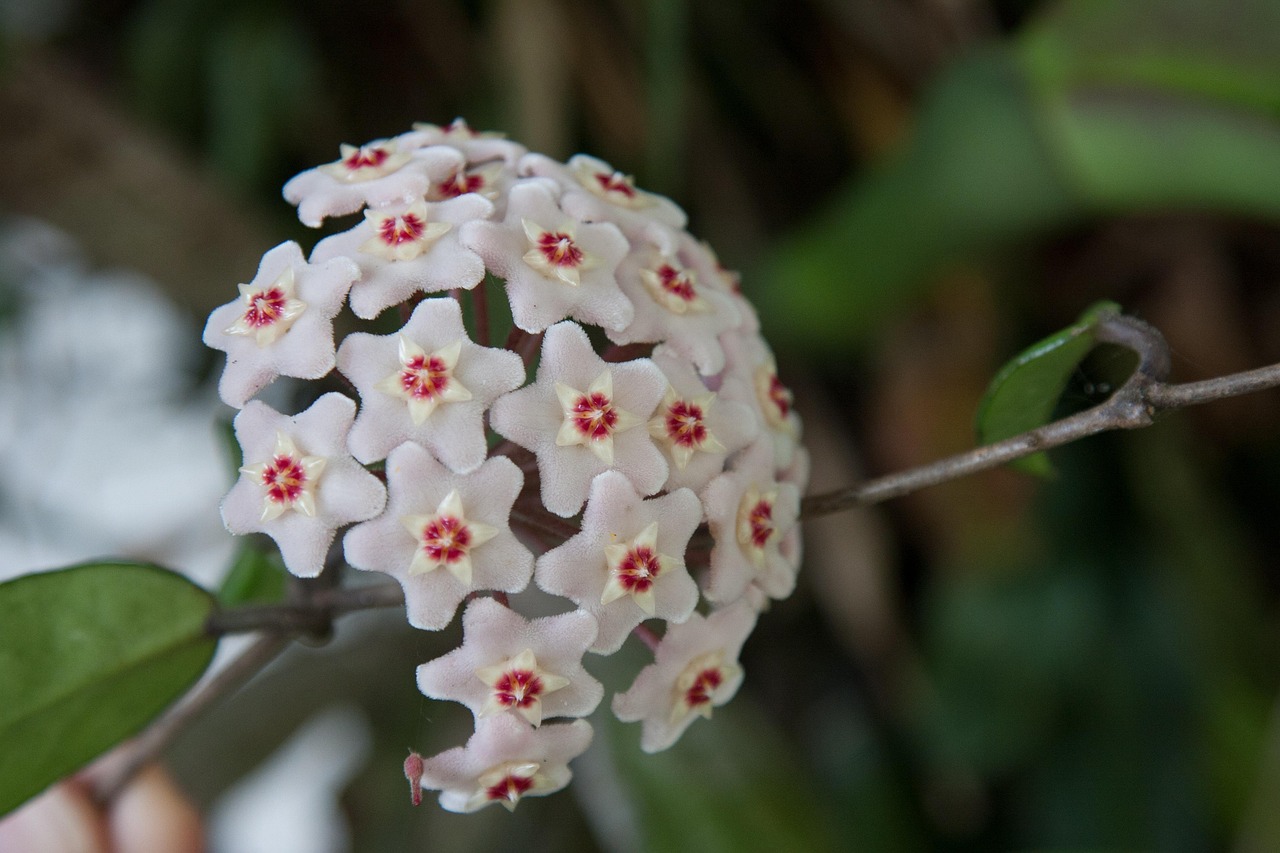
Finally, remember that every plant owner will face a pest or disease problem at some point, so don’t be too hard on yourself if it happens. The key is to stay observant, act quickly, and learn from the experience so that you can prevent similar issues in the future. Gardening is a continuous learning process, and overcoming these challenges will only make you a more skilled and confident plant parent. Your porcelainflower is a resilient survivor and will likely bounce back with a little bit of help from you.