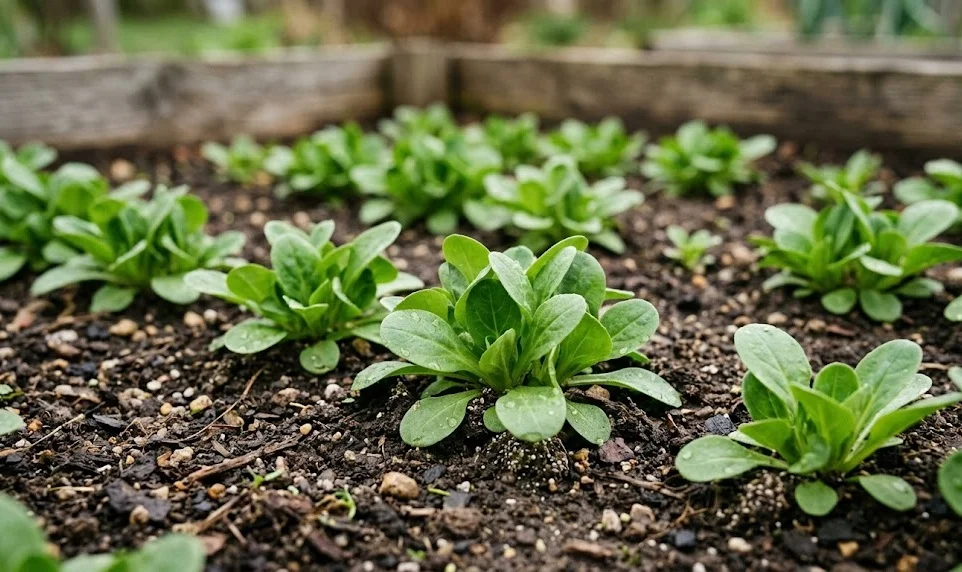

Diseases and pests of corn salad can quickly decimate a healthy crop if they are not identified and managed with professional diligence. While this plant is generally more resilient than many summer greens, it is susceptible to specific cool-weather pathogens and opportunistic insects. A proactive strategy focused on prevention and early intervention is the most effective way to protect your investment and ensure a high-quality yield. Understanding the lifecycle of these threats allows for more targeted and environmentally friendly control measures.
Fungal threats are the most common disease issues encountered when growing corn salad in damp, cool conditions. Downy mildew often appears as grayish or yellowish patches on the undersides of leaves, eventually leading to the collapse of the foliage. Maintaining excellent airflow and avoiding overhead irrigation are the primary cultural defenses against these types of infections. If fungal issues persist, removing infected plants immediately can help prevent the spores from spreading to the rest of the crop.
Common insect pests include aphids and slugs, both of which find the tender leaves of corn salad highly attractive. Aphids tend to cluster on the undersides of leaves or in the center of the rosette, sucking sap and weakening the plant. Slugs are most active during damp nights and can leave large, irregular holes in the foliage, often ruining the marketability of the crop. Regular inspections, especially during the early morning hours, can help you catch these pests before their populations explode.
Preventative measures are the first line of defense in any integrated pest management strategy. Using physical barriers, such as fine mesh netting, can prevent flying insects from laying eggs on the crop. Crop rotation is also essential for breaking the lifecycle of soil-borne pests and diseases that might otherwise build up over several seasons. Maintaining a diverse garden environment encourages natural predators, such as ladybugs and lacewings, to take up residence and provide free pest control.
Organic control methods provide effective alternatives to harsh chemicals, ensuring that the harvested greens remain safe for consumption. Neem oil or insecticidal soaps can be used to manage aphid outbreaks without causing long-term harm to the surrounding ecosystem. For slug management, copper tape or organic iron phosphate pellets can be placed around the perimeter of the garden beds. These methods require more frequent application and observation but align with the principles of sustainable and professional agriculture.
More articles on this topic
Integrated pest management combines all available tools to minimize the impact of pests while protecting the environment. This approach involves setting thresholds for when intervention is necessary, rather than reacting to every single bug found in the garden. By keeping detailed records of pest occurrences and the effectiveness of different treatments, a gardener can refine their strategy year after year. This professional level of oversight ensures that the garden remains a productive and healthy space for both plants and beneficial organisms.