
Caring for switchgrass requires a deep understanding of its natural lifecycle and its role within a sustainable garden ecosystem. This ornamental grass is prized for its resilience and architectural beauty, but it still demands specific attention to thrive throughout the growing season. Achieving a lush and upright habit involves monitoring environmental conditions and adjusting maintenance routines as the plant matures over several years. By following a professional approach to its care, gardeners can ensure that this grass remains a highlight of the landscape from early spring until the depths of winter.
General maintenance principles
Maintaining a healthy stand of switchgrass begins with observing its growth patterns during the early spring months. It is essential to monitor the emergence of new shoots to ensure the plant has successfully transitioned from dormancy. Regular inspections allow for the early identification of any structural issues or nutritional deficiencies that might hinder development. Consistency in care helps the plant establish a deep root system, which is the foundation of its longevity and beauty.
The overall vigor of the plant depends heavily on the cleanliness of the surrounding area and the removal of competing vegetation. Weeds can quickly rob the soil of essential nutrients and moisture, particularly when the grass is still establishing itself. Mulching can be an effective strategy to suppress weed growth while also helping to regulate soil temperature. A thin layer of organic mulch is usually sufficient to provide these benefits without suffocating the base of the plant.
As the season progresses, the tall stems of the grass may occasionally require support if they are planted in excessively fertile or shaded areas. While most varieties are bred for their upright habit, heavy rains or strong winds can sometimes cause the foliage to lodge or flop. Choosing the right cultivar for your specific site conditions is the best way to avoid these structural problems. If lodging does occur, it is often a sign that the plant is receiving too much water or nitrogen.
Professional gardeners often emphasize the importance of leaving the dried foliage intact during the autumn and winter months. This practice not only provides visual interest during the dormant season but also serves as a protective layer for the crown. The standing stems act as a natural windbreak and help trap snow, which can insulate the roots against extreme cold. This cycle of growth and rest is a natural part of the plant’s biology that should be respected for optimal results.
More articles on this topic
Seasonal adjustments in care
The transition from late winter to early spring is the most critical time for active maintenance of switchgrass. Once the threat of hard freezes has passed, the previous year’s growth should be removed to make way for new shoots. This process allows sunlight and air to reach the center of the crown, which stimulates healthy and even growth. Timing is key, as cutting back too early or too late can negatively impact the plant’s performance for the entire year.
During the peak of the summer heat, the focus shifts toward maintaining hydration and monitoring for signs of heat stress. Although this grass is remarkably drought-tolerant, prolonged periods of extreme temperatures without rain can cause the leaf tips to brown. Supplemental irrigation during these times can keep the foliage looking vibrant and prevent the plant from entering a premature state of dormancy. It is important to water at the base of the plant to keep the foliage dry and reduce the risk of fungal issues.
As autumn approaches, the plant begins its spectacular transformation, turning shades of yellow, orange, or even deep red depending on the variety. During this phase, the nutritional needs of the grass decrease significantly as it prepares to move nutrients down into its root system. Minimal intervention is required during this period, allowing the gardener to appreciate the changing colors and the delicate seed heads. Avoiding heavy pruning or fertilization in late summer ensures that the plant hardens off properly before the first frost.
Winter care is largely hands-off, focusing instead on the aesthetic and ecological value of the standing grass. The seeds provide a vital food source for local bird populations, while the dense foliage offers shelter for beneficial insects. If heavy snow loads cause the stems to collapse, they can be tidied up, but it is generally better to wait until spring for a full cleanup. This approach aligns with modern ecological gardening standards that prioritize habitat creation alongside visual appeal.
More articles on this topic
Soil management and health
The quality and structure of the soil play a significant role in the long-term success of switchgrass in any garden setting. This species is remarkably adaptable and can grow in a wide range of soil types, from heavy clay to sandy loam. However, for the best results, the soil should be well-drained and have a moderate amount of organic matter. Understanding the specific characteristics of your garden soil will help you determine if any amendments are necessary before or after planting.
Soil pH is another important factor that influences the availability of nutrients to the plant’s root system. Switchgrass generally prefers a slightly acidic to neutral pH, though it can tolerate mildly alkaline conditions without significant issues. Regular soil testing every few years is a professional recommendation for any serious gardener or agriculturalist. These tests provide a clear picture of the nutrient profile and allow for precise adjustments rather than relying on guesswork.
Aeration is sometimes necessary in areas where the soil has become compacted due to heavy foot traffic or machinery. Compacted soil limits the movement of air and water to the roots, which can lead to stunted growth and reduced vigor. Using a garden fork or a mechanical aerator can help break up the surface and improve the overall soil structure. This is particularly beneficial for older, established clumps that may have become overly dense over time.
While switchgrass can tolerate poor soils, it is important to avoid over-improving the planting site with too much compost or manure. Excessive fertility can lead to rapid, weak growth that is prone to falling over and losing its attractive shape. A balanced approach that focuses on maintaining a healthy soil microbiome is far more effective than heavy applications of synthetic products. Healthy soil leads to healthy plants that are better equipped to resist pests and diseases.
Managing growth habits and spacing
Understanding the natural growth habit of switchgrass is essential for creating a balanced and harmonious garden design. This grass typically grows in a clump-forming manner, gradually expanding outward from the center over several years. Planning for its mature size at the time of planting prevents overcrowding and ensures that each plant has enough space to develop its full form. Proper spacing also facilitates better air circulation, which is a key factor in preventing moisture-related health problems.
Over time, the center of an older switchgrass clump may begin to die out, resulting in a “doughnut” shape. This is a natural occurrence and serves as a signal that the plant would benefit from being divided and replanted. Division not only rejuvenates the original plant but also provides new specimens that can be used elsewhere in the landscape. This process is best performed in early spring just as the new growth starts to appear above the soil line.
The height of switchgrass varies significantly between different cultivars, ranging from three feet to over seven feet tall. When selecting a variety, it is crucial to consider how its eventual height will interact with other plants and structures in the garden. Taller varieties make excellent screens or backdrops, while shorter types are perfect for mid-border placements or smaller spaces. Knowing the specific characteristics of your chosen cultivar allows for more effective and professional maintenance.
Controlling the spread of the plant is usually straightforward since most ornamental varieties are not overly aggressive. However, in some native restoration projects, the self-seeding nature of the species might be an important consideration. If you wish to prevent unwanted seedlings in a formal garden setting, removing the flower heads before the seeds drop is an effective strategy. For most gardeners, the benefits of the seed heads for wildlife far outweigh the minor inconvenience of a few stray seedlings.
Aesthetic considerations and visual impact
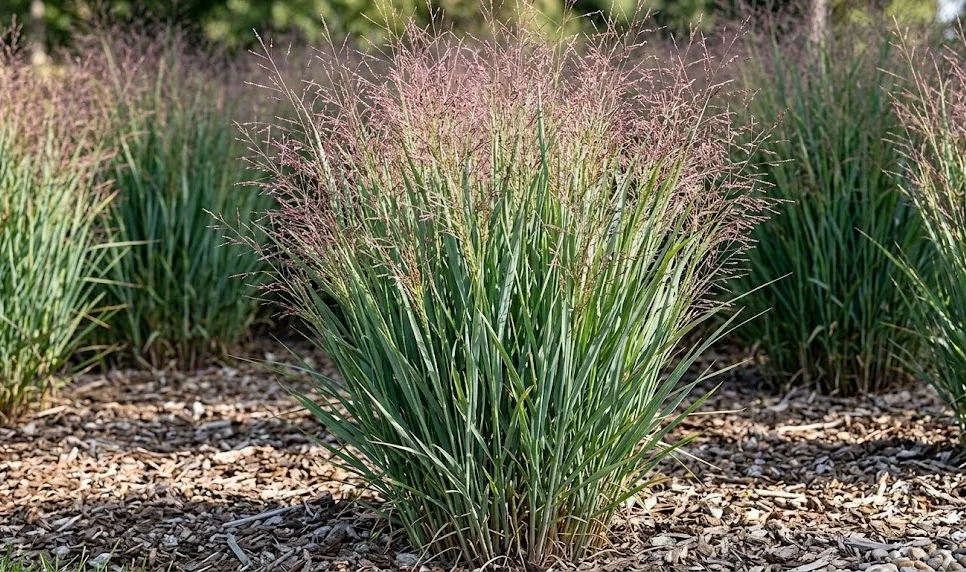
The aesthetic appeal of switchgrass lies in its fine-textured foliage and its ethereal, cloud-like flower panicles. Throughout the growing season, the plant undergoes several visual transitions that add dynamic interest to the landscape. In the summer, the leaves are often a vibrant green or blue-green, providing a cooling effect in the garden. As the flowers emerge in mid to late summer, they create a soft, hazy appearance that catches the light beautifully.
Professional designers often use switchgrass to add movement and sound to the garden, as the stems sway and rustle in the breeze. This sensory experience adds a layer of depth to the landscape that static plants cannot provide. When planted in large drifts, the effect is even more dramatic, mimicking the look of a natural prairie or meadow. The interplay of light and shadow within the dense foliage creates a constantly changing visual display.
Color selection is a powerful tool when working with different varieties of switchgrass, as some offer stunning blue or red tints. Cultivars with blue foliage provide a sophisticated contrast to green-leaved plants and bloom with delicate, airy flowers. Others are bred specifically for their intense autumn colors, turning deep burgundy or fiery orange as the temperatures drop. Choosing the right color palette can help tie different areas of the garden together into a cohesive whole.
The winter silhouette of the grass is perhaps its most underrated feature, providing structure when most other plants have disappeared. The golden-brown stems stand tall against the winter sky, creating a stark and beautiful contrast, especially after a light dusting of frost. This year-round presence makes switchgrass an invaluable asset for any professional landscape design. By maintaining the plant properly, you ensure that these aesthetic qualities are preserved for as long as possible.
Companion planting and ecological roles
Switchgrass is a team player in the garden, working exceptionally well when paired with a wide variety of perennials and shrubs. Its fine texture provides an excellent foil for plants with larger, bolder leaves or bright, showy flowers. Common companions include late-summer bloomers like coneflowers, black-eyed Susans, and various species of asters. These combinations not only look beautiful but also create a diverse habitat that supports a wide range of pollinators.
Beyond its visual appeal, switchgrass plays a vital ecological role in providing food and shelter for many different species. The seeds are an important winter food source for ground-feeding birds, such as sparrows and finches. The dense clumps of foliage offer protection from predators and harsh weather for small mammals and beneficial insects. Incorporating this grass into your garden is a simple way to boost local biodiversity and support the natural environment.
From a functional perspective, the deep and extensive root system of switchgrass is excellent for soil stabilization and erosion control. It is often used on slopes or in areas prone to runoff to help hold the soil in place and improve water infiltration. In agricultural settings, it can serve as a valuable buffer strip to protect waterways from nutrient runoff. This versatility makes it a favorite for both ornamental gardeners and land management professionals.
When choosing companions, it is important to select plants that share similar cultural requirements for light, soil, and water. Since switchgrass is quite adaptable, it can be integrated into many different types of garden styles, from formal borders to wilder, naturalistic plantings. Avoiding plants that are overly aggressive or those that require excessive shade will ensure that your switchgrass has the room it needs to flourish. A well-planned plant community is more resilient and requires less maintenance over time.
Long term health and troubleshooting
Ensuring the long-term health of switchgrass involves a proactive approach to monitoring and early intervention. While it is generally a low-maintenance plant, keeping an eye out for unusual changes in leaf color or growth habit is important. Yellowing leaves can sometimes indicate a nutrient deficiency or a problem with drainage that needs to be addressed. By catching these issues early, you can take corrective steps before the plant’s overall health is significantly compromised.
As the clumps age, they can become very large and may eventually start to decline in the center as previously mentioned. Dividing the plant every four to six years is a standard professional practice to maintain its vigor and appearance. This not only keeps the original plant healthy but also prevents it from becoming too unwieldy for its designated space. The best time for this task is in the spring, allowing the new divisions plenty of time to establish before summer.
Environmental stressors, such as extreme drought or unusual cold snaps, can occasionally impact the performance of the grass. While switchgrass is remarkably tough, providing a little extra care during these periods can make a big difference in its recovery. This might include deep watering during a heatwave or adding a bit of extra mulch during a particularly harsh winter. Understanding the specific tolerances of the variety you are growing will help you provide the best possible care.
Ultimately, the success of switchgrass in your garden depends on a combination of proper site selection and consistent, thoughtful maintenance. By respecting the natural requirements of the plant and observing how it responds to your local climate, you can enjoy its beauty for many years. It remains one of the most reliable and rewarding ornamental grasses available to modern gardeners and landscape professionals. With a bit of attention to detail, this grass will continue to be a cornerstone of your outdoor space.