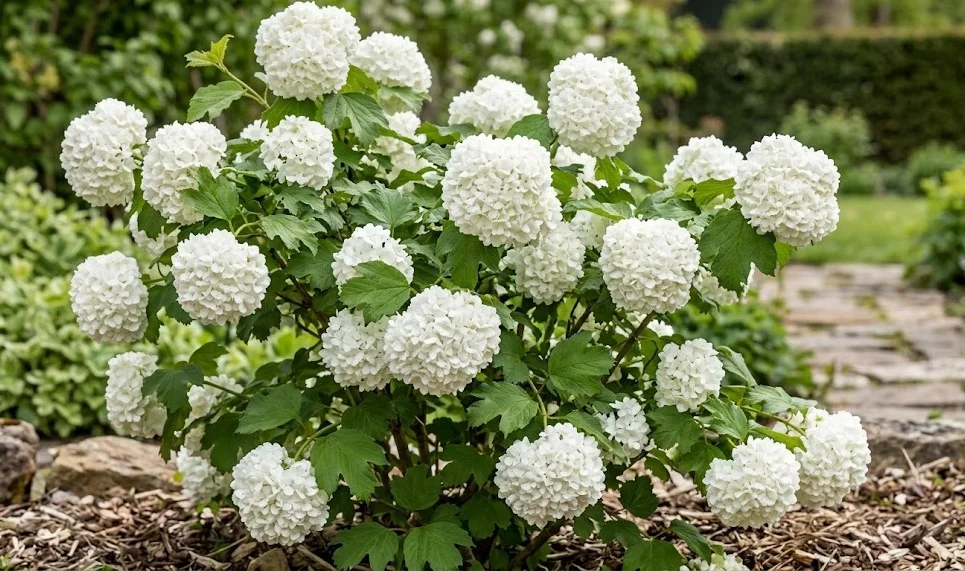

The care of the snowball bush represents one of the most rewarding challenges for any dedicated gardener who appreciates classic ornamental shrubs. This deciduous beauty is well-known for its large, spherical white flower clusters that resemble summer snowballs appearing in late spring. Achieving the best results requires a deep understanding of the plant’s biological needs and its natural habitat preferences. By providing the right environment, you can ensure that this shrub remains a centerpiece of your garden for many decades to come.
Maintaining a healthy specimen starts with consistent monitoring of its foliage and overall growth patterns throughout the growing season. You should regularly check for signs of vigor, such as strong new shoots and vibrant green leaves that indicate effective nutrient uptake. If you notice any slowing in development, it might be time to evaluate the external factors affecting the plant’s health. A proactive approach to care often prevents common issues before they become significant problems for the shrub’s longevity.
The structural integrity of the bush is also a vital aspect of long-term care that every hobbyist should prioritize. As the plant matures, its branches can become heavy, especially when the massive flower heads are in full bloom during May and June. Supporting the plant through proper positioning and occasional thinning helps maintain an attractive shape and prevents branch breakage. A well-maintained structure not only looks better but also improves air circulation within the canopy, which is essential for health.
Lastly, understanding the life cycle of this particular Viburnum variety allows for better timing of all maintenance activities. The plant undergoes distinct phases of dormant rest, vigorous spring growth, and the energy-intensive flowering period. By aligning your care routine with these natural stages, you can maximize the plant’s aesthetic potential and resilience. Successful gardening with this species is truly a journey of observation and timely intervention that brings immense joy to the landscape.
Soil and nutrient requirements
The foundation of a flourishing snowball bush lies in the quality and composition of the soil in which it resides. These plants generally prefer deep, loamy soils that are rich in organic matter and capable of retaining moisture without becoming waterlogged. You should aim for a slightly acidic to neutral pH level, as extreme alkalinity can lead to nutrient deficiencies like chlorosis. Preparing the site with well-rotted compost or leaf mold before planting creates the ideal environment for the root system to expand.
More articles on this topic
Drainage is another critical factor that you must consider when evaluating the soil conditions for your ornamental shrubs. While the snowball bush enjoys consistent moisture, standing water around the roots can lead to rot and various fungal diseases. If your garden has heavy clay soil, it is beneficial to incorporate grit or additional organic material to improve the structure and aeration. Proper soil management ensures that oxygen reaches the roots, which is just as important as water for the plant’s survival.
Nutrient availability is directly linked to the biological activity within the soil surrounding the plant’s root zone. Over time, even the best soil can become depleted of essential elements like nitrogen, phosphorus, and potassium. You can support the health of your bush by applying organic mulches that slowly break down and feed the soil ecosystem. This natural approach to fertilization mimics the forest floor environment where these plants originally evolved, promoting a robust and healthy growth habit.
Testing your soil periodically can provide valuable insights into what the plant might be lacking during its peak growing periods. A professional soil test can reveal hidden imbalances that are not immediately visible through simple observation of the leaves. Once you understand the specific needs of your garden’s earth, you can make informed decisions about amendments. This scientific approach removes the guesswork from gardening and helps you achieve the most impressive floral displays every single year.
Environmental stressors and adaptation
Every garden presents a unique set of environmental challenges that the snowball bush must adapt to throughout its life. Temperature fluctuations, particularly late spring frosts, can sometimes damage the emerging flower buds if the plant is not protected. You should consider the local microclimate of your garden and choose a location that offers some shelter from harsh, drying winds. An adapted plant is much more likely to thrive and produce the iconic blooms that make this species so popular among collectors.
More articles on this topic
Urban environments often introduce additional stressors such as air pollution or compacted soil near walkways and driveways. The snowball bush is relatively resilient, but prolonged exposure to poor air quality or salt spray in winter can take a toll. You can mitigate these effects by ensuring the plant is not placed too close to busy roads or areas where snowmelt chemicals are frequently used. Providing a buffer zone of other hardy plants can also help create a more stable environment for your sensitive ornamentals.
Water stress, whether from drought or excessive rainfall, is one of the most common issues that gardeners face with this shrub. During particularly hot and dry summers, the large leaves can lose moisture rapidly, leading to wilting and premature leaf drop. You must be prepared to supplement natural rainfall during these periods to keep the plant in peak condition. Conversely, during unusually wet seasons, ensuring that the surrounding soil can handle the excess water is paramount for preventing root stress.
Adaptation is a gradual process, and a newly planted shrub will be more sensitive to environmental changes than an established one. It takes a few years for the root system to become deep enough to withstand significant weather variations without constant human intervention. During this establishment phase, your role as a gardener is to provide a stable safety net for the plant. Once the bush is fully settled, it will show remarkable durability and require much less intensive supervision to remain healthy and beautiful.
Managing growth and space
The snowball bush is known for its vigorous growth habit, often reaching significant heights and widths if left unchecked. You must plan for its mature size from the very beginning to avoid overcrowding with neighboring plants in your garden beds. A single specimen can easily grow to three or more meters in both directions, making it an excellent choice for a focal point or a natural hedge. Giving the plant enough space allows its natural arching form to develop fully without interference from other structures.
As the shrub grows, the density of the inner branches can increase, which sometimes leads to a decline in leaf quality in the center. You can manage this by selectively removing older wood to encourage the growth of fresh, more productive stems from the base. This process of thinning ensures that light and air can penetrate the entire canopy, keeping the interior of the bush as healthy as the exterior. Regular management of the plant’s volume prevents it from becoming a tangled mess of unproductive wood over the years.
Integrating the snowball bush into a larger landscape design requires a thoughtful approach to spatial relationships and visual balance. It works exceptionally well when paired with lower-growing perennials that can mask its somewhat bare lower stems as it ages. You should also consider the sightlines in your garden, as the massive blooms can create a powerful visual impact from a distance. Proper placement ensures that the bush enhances the overall aesthetic of the property rather than overwhelming the surrounding area.
Monitoring the expansion of the root system is also a part of space management that is often overlooked by many home gardeners. While not invasive, the roots do spread out to support the large top growth and can compete with smaller, more delicate plants nearby. If you are gardening in a limited space, you might need to use root barriers or perform more frequent top pruning to keep the plant’s size in check. Balancing the needs of the shrub with the available space is key to a harmonious and manageable garden layout.
Seasonal adjustments in care
The transition from winter to spring marks the beginning of the most active period for the snowball bush and its caretaker. As the soil warms, the plant begins to push out new growth, and its demand for water and nutrients increases significantly. You should clear away any old mulch or debris from the previous year to make room for fresh applications and to prevent overwintering pests. This is also the best time to inspect the branches for any winter damage that might need to be removed before the sap starts flowing.
During the height of summer, the primary focus of your care routine should shift toward moisture conservation and heat protection. The large surface area of the snowball-shaped flowers means they can dry out quickly under the intense afternoon sun. Applying a thick layer of organic mulch around the base of the plant helps keep the root zone cool and significantly reduces evaporation. You will find that a little extra attention during the hottest weeks will keep the foliage looking fresh and green until autumn arrives.
As autumn approaches, the plant begins to prepare for its winter dormancy, and its growth rate naturally slows down. This is the time to reduce any heavy nitrogen feeding, as you want the existing wood to harden off before the first hard freeze. You can still provide consistent water if the autumn is dry, but the goal is to let the plant transition naturally into its resting state. The changing colors of the leaves provide a final burst of beauty before they eventually drop for the winter season.
Winter care for the snowball bush is largely hands-off, but there are still a few things you can do to ensure its safety during the cold months. Checking the mulch layer after the ground freezes can help prevent the “heaving” of the soil that sometimes exposes roots to the frigid air. If you live in an area with very heavy snowfall, you might want to gently knock excess snow off the branches to prevent them from bending or snapping. These small steps ensure that the shrub will emerge strong and ready to bloom again in the coming spring.
Root health and subterranean care
A healthy snowball bush is only as strong as the root system that supports it beneath the surface of the earth. The roots are responsible for anchoring the plant and absorbing all the water and minerals required for those spectacular spring blooms. You should avoid any heavy digging or soil compaction within the drip line of the shrub to protect the delicate feeder roots. Maintaining a stable subterranean environment is the most effective way to ensure the long-term vitality and resilience of the entire plant.
Fungal issues can sometimes take hold in the root zone if the soil remains too wet or if there is a lack of oxygen in the ground. You can improve root health by using mycorrhizal fungi supplements when planting or as a top dressing for established specimens. These beneficial organisms form a symbiotic relationship with the roots, helping them access water and nutrients that would otherwise be out of reach. Healthy soil biology acts as a natural defense system against many common pathogens that might otherwise harm the shrub.
The depth of the root system determines how well the snowball bush can handle periods of environmental stress like drought or extreme cold. Deep, expansive roots are much better at finding moisture during the dry months than shallow roots that are easily affected by surface conditions. You can encourage deep rooting by watering the plant thoroughly but less frequently, rather than giving it light daily sprinkles. This “deep watering” technique forces the roots to grow downward in search of the water table, creating a more stable plant.
Lastly, you should be mindful of any major landscape changes near the plant that could impact its root zone in the future. Constructing new paths, retaining walls, or even planting large trees nearby can significantly alter the moisture and nutrient availability for your bush. If you must perform work near the shrub, try to do it during the dormant season and take steps to minimize root disturbance. Respecting the hidden half of the plant is essential for maintaining the magnificent display that everyone sees above the ground.
Enhancing bloom quality
The ultimate goal for most gardeners who plant a snowball bush is to achieve the largest and most abundant flower clusters possible. Bloom quality is the result of a combination of proper nutrition, adequate sunlight, and correct pruning timing over the previous year. You should ensure that the plant receives enough light during the budding phase, as deep shade can lead to smaller and less frequent flowers. A well-nourished plant will always produce more impressive “snowballs” than one that is struggling to find basic resources in poor soil.
Water management during the period when the buds are forming and opening is perhaps the most critical factor for flower size. If the plant experiences a water deficit at this specific time, the flowers may fail to reach their full potential or might even wilt prematurely. You should maintain a very consistent moisture level from the moment the green buds appear until the white petals begin to fade. This extra hydration provides the turgor pressure needed for the spherical clusters to expand to their characteristic massive size.
Phosphorus and potassium are the two primary nutrients that contribute most to the development of healthy buds and strong floral stems. While nitrogen is great for green leaves, an overabundance of it can sometimes lead to lush foliage at the expense of the beautiful flowers. You can use a balanced, slow-release fertilizer in early spring that has a slightly higher middle number to give the blooms an extra boost. Watching the transition from tiny green clusters to large white spheres is one of the most exciting times in the gardening calendar.
After the flowering period has ended, the plant immediately begins to set its energy toward the next year’s growth and eventual bloom cycle. This is why late-season care is so important for the quality of the flowers you will see in the following spring. By keeping the plant healthy and stress-free throughout the summer and autumn, you are essentially “pre-ordering” next year’s floral display. The snowball bush is a plant that rewards consistent, thoughtful care with a spectacular show that never fails to impress visitors to your garden.