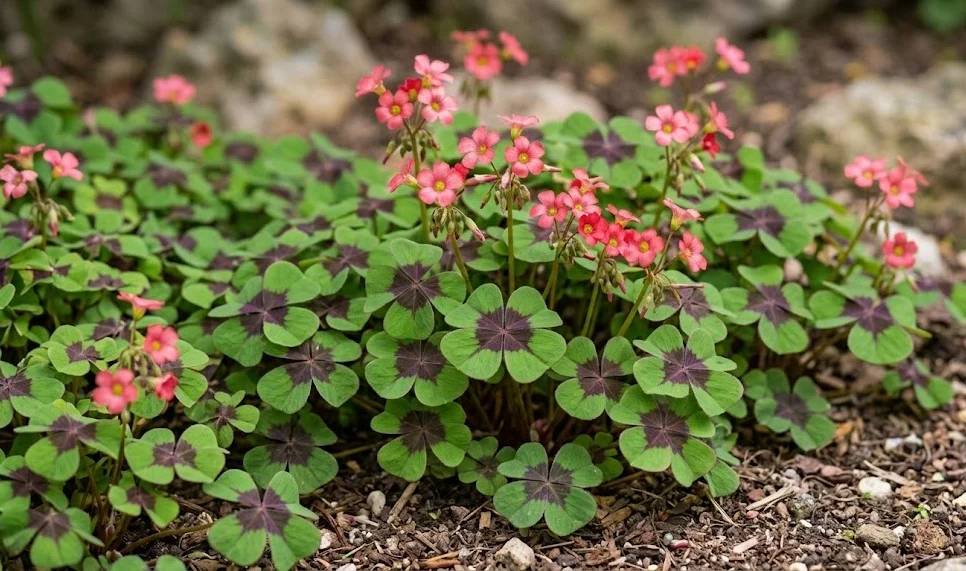

The four-leaf sorrel is a fascinating plant that brings a touch of luck and beauty to any garden or indoor space. It is characterized by its distinctive foliage, which resembles a four-leaf clover, and its delicate pink or white blossoms. Understanding the basic needs of this plant is essential for ensuring its long-term health and vitality throughout the growing season. Proper care involves a combination of environmental monitoring, soil management, and attention to the plant’s natural life cycle.
Each leaf of this plant is divided into four leaflets, which often feature a dark purple or maroon blotch at the center. This unique coloration makes it a standout choice for ornamental gardening and container displays. The plant grows from small bulbs, which store nutrients and allow it to survive periods of dormancy. By respecting these biological traits, a gardener can ensure a lush and vibrant display year after year.
Temperature plays a crucial role in the development of healthy foliage and consistent flowering. These plants generally prefer moderate temperatures, avoiding extreme heat which can cause the leaves to wilt or scorch. During the peak of summer, it is often beneficial to provide a cooler, shaded environment to prevent stress. Maintaining a stable climate helps the plant focus its energy on producing new growth rather than recovering from thermal shock.
Soil quality is another pillar of successful care that should never be overlooked by an enthusiast. A well-draining potting mix is necessary to prevent the bulbs from rotting in excess moisture. Incorporating organic matter such as compost or peat can improve the structure and nutrient profile of the substrate. Regularly checking the soil density ensures that the roots have enough oxygen to breathe and grow efficiently.
Environmental conditions and placement
Finding the perfect spot for your plant involves balancing light exposure and protection from the elements. While they enjoy bright conditions, direct midday sun in the height of summer can be too intense for the delicate leaves. A location with filtered light or morning sun followed by afternoon shade is often the most effective setup. This balance prevents leaf burn while providing enough energy for the plant to maintain its rich green and purple hues.
More articles on this topic
Indoors, a windowsill facing east or west provides a stable environment that mimics their natural preferences. It is important to avoid placing the pots near drafty windows or heating vents that cause sudden fluctuations. These sudden changes in air temperature can trigger an early dormancy or cause the plant to drop its leaves. Consistency is the secret to keeping the foliage upright and the stems strong throughout the months.
Humidity levels also contribute to the overall appearance and health of the four-leaf sorrel. In very dry indoor air, the leaves may become brittle or the edges might turn brown and unsightly. Grouping plants together or using a tray with pebbles and water can help create a slightly more humid microclimate. This small adjustment can make a significant difference in the lushness of the plant’s growth over time.
Outdoor placement requires consideration of wind and heavy rain, which can physically damage the soft stems. Tucking them into a sheltered corner of the garden or using larger plants as a windbreak is a wise strategy. If a storm is approaching, moving portable containers to a covered area will preserve the aesthetic integrity of the foliage. Taking these preventive steps ensures that the garden remains a professional and polished display of nature.
Seasonal cycles and growth patterns
The four-leaf sorrel follows a distinct seasonal pattern that dictates how it should be managed throughout the year. In the spring, the bulbs wake up from their winter rest and quickly push out new shoots. This is the period of most rapid growth, where the plant requires consistent attention and resources. Watching the first leaves unfurl is a rewarding experience that signals the beginning of a new productive cycle.
More articles on this topic
As summer progresses, the plant will likely produce small, trumpet-shaped flowers that add a splash of color. These blooms appear on thin stalks that rise above the canopy of leaves, creating a multi-layered visual effect. While the flowers are beautiful, they do require additional energy from the bulb to sustain. If you prefer a denser leaf display, removing spent flowers can help redirect nutrients back into the foliage.
In the autumn, the plant naturally begins to slow down its metabolism in preparation for the colder months. You will notice the leaves starting to yellow or droop, which is a normal part of its biological rhythm. This phase should not be mistaken for a lack of care or a disease, as it is a necessary transition. Reducing inputs during this time helps the plant settle into its dormant state without unnecessary stress.
Dormancy is a critical phase where the plant rests and rebuilds its internal energy stores for the next season. During this time, the foliage may completely die back, leaving only the bulbs beneath the soil surface. Respecting this period of inactivity is just as important as providing care during the peak growth months. A well-rested bulb will emerge much stronger and more prolific when the warmth of spring returns.
Soil management and health
The foundation of a healthy plant always starts with the composition and quality of the growing medium. For the four-leaf sorrel, a light and airy mix is far superior to heavy, clay-based garden soils. Mixing perlite or coarse sand into a standard potting soil can significantly enhance its drainage capabilities. This structure prevents water from pooling around the bulbs, which is the leading cause of plant failure.
Nutrient availability within the soil must be maintained to support the rapid leaf development seen in the spring. Over time, the plant will deplete the initial minerals found in a fresh potting mix. Supplementing the soil with a slow-release organic fertilizer at the start of the season provides a steady supply of food. This ensures that the plant does not experience growth stalls due to a lack of essential macro and micronutrients.
Monitoring the pH level of the soil can also prevent hidden issues from affecting the health of the leaves. These plants generally thrive in a slightly acidic to neutral range, which allows for optimal nutrient uptake. If the soil becomes too alkaline, certain minerals may become locked away and unavailable to the roots. Periodic testing or refreshing the top layer of soil can help maintain the ideal chemical balance for the bulbs.
Repotting is a task that should be performed every few years to prevent the bulbs from becoming overcrowded. As the plant multiplies, the roots and bulbs will eventually fill the entire space of the container. Moving them to a slightly larger pot with fresh soil gives them the room they need to expand. This practice also allows you to inspect the health of the bulbs and remove any that show signs of damage.
General maintenance routines
Keeping the plant clean and free of debris is a simple but effective way to maintain its professional appearance. Dead or yellowing leaves should be removed regularly to prevent them from attracting mold or pests. Using sharp, clean scissors ensures that the cuts are precise and do not damage the surrounding healthy tissue. This regular grooming keeps the focus on the vibrant, healthy parts of the foliage.
Dust can accumulate on the broad leaflets when the plant is kept indoors for extended periods. Wiping the leaves gently with a damp cloth or giving the plant a light rinse can restore its shine. Clean leaves are better able to perform photosynthesis, which directly impacts the plant’s overall energy levels. This small maintenance task can significantly boost the visual appeal of your indoor garden collection.
Observing the plant daily allows you to catch any minor issues before they become major problems. Changes in leaf color, stem strength, or soil moisture can all provide clues about the plant’s current needs. An expert gardener develops an intuition for these subtle signals through consistent observation and care. Being proactive rather than reactive is the hallmark of professional horticultural management.
The stalks that hold the flowers can sometimes become elongated and floppy if the light levels are slightly low. Providing physical support or adjusting the light can help keep the plant looking tidy and structured. If the plant becomes too leggy, a light trim can encourage a bushier and more compact growth habit. Maintaining the desired shape of the plant is an ongoing process throughout the active growing season.
Aesthetic and design considerations
The four-leaf sorrel is a versatile plant that can be used in various design schemes within a professional landscape. Its unique leaf shape makes it an excellent filler for mixed containers where it complements larger, more upright plants. The dark markings on the leaves provide a beautiful contrast against light-colored pots or silver-foliage companions. Creative placement can highlight these features and draw the eye to specific areas of the garden.
Mass planting this species can create a lush, carpet-like effect that works well as a temporary groundcover in temperate climates. The repetitive pattern of the four-part leaves produces a calming visual rhythm in the garden bed. This approach is particularly effective along borders or paths where the fine details can be appreciated up close. It offers a sophisticated alternative to more common bedding plants.
In indoor settings, using decorative cachepots can elevate the simple beauty of the plant to match a modern interior. Choosing a pot that reflects the purple tones in the leaves can create a harmonious and professional look. The plant’s ability to “sleep” at night by folding its leaves adds an interactive and dynamic element to the home. This movement is a great conversation starter and demonstrates the living nature of the botanical world.
Combining different varieties of sorrel can create a rich tapestry of colors and textures in a single display. Some varieties have green leaves with dark centers, while others may feature deep purple foliage throughout. Mixing these types in a large trough or garden bed provides a professional level of complexity to the design. It shows a deep understanding of plant aesthetics and variety within a single genus.
Holistic plant wellness
Looking at the plant as part of a larger ecosystem is the key to achieving true horticultural excellence. Every factor, from the water quality to the surrounding air movement, affects the long-term wellness of the bulb. Avoiding the use of harsh chemicals or excessive salts in the water protects the delicate root system. A holistic approach focuses on building a resilient plant that can withstand minor environmental stresses.
Understanding the history and origin of the species helps in recreating its preferred natural habitat. Since it is native to regions with specific seasonal shifts, mimicking those changes in a home environment is beneficial. This might include a period of reduced light and cooler temperatures during the winter months. Aligning your care routine with the plant’s evolutionary expectations leads to a more sustainable and healthy growth.
Sharing knowledge and observations with other enthusiasts can also improve your success with this unique species. Every garden has a different microclimate, and learning how others adapt their care can provide valuable insights. Recording your plant’s progress in a journal helps you identify patterns and successful interventions over several years. This systematic approach is what separates a casual hobbyist from a professional expert.
Finally, enjoying the process of care is essential for maintaining a long-term commitment to your garden. The four-leaf sorrel is a plant that responds well to gentle, consistent attention and provides great visual rewards. There is a profound sense of satisfaction in seeing a dormant bulb transform into a lush, green masterpiece. This connection with nature is the ultimate goal of all gardening and agricultural pursuits.