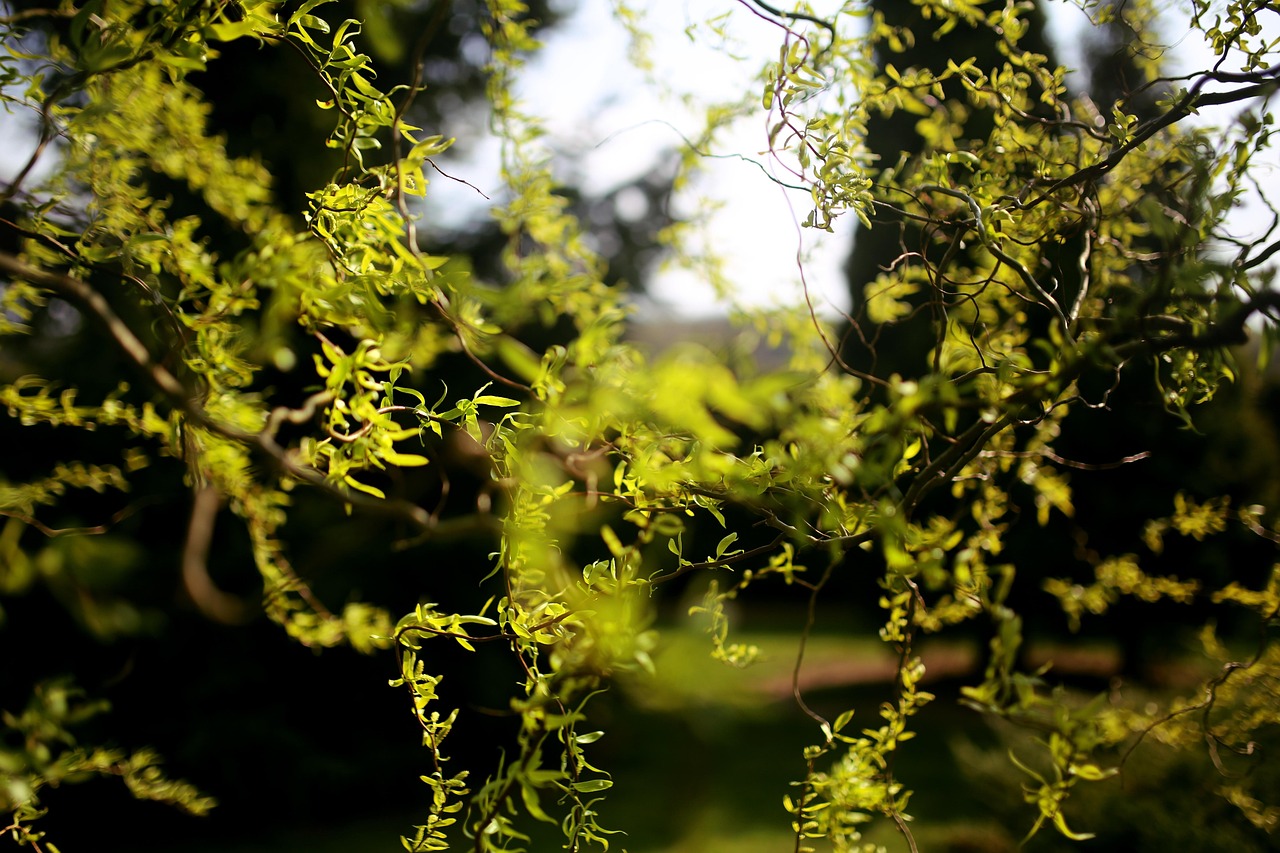

Maintaining a corkscrew willow in your garden provides a unique visual appeal that few other trees can match. You will find that its twisted branches create a stunning silhouette against the sky throughout the entire year. It is important to understand that this species requires consistent attention to truly thrive and reach its full aesthetic potential. By following a structured care routine, you can ensure that your willow remains healthy and vibrant for many decades to come.
When you first bring this tree home, you should consider its long-term impact on your local landscape. The willow is known for its rapid growth, which means it can quickly become a dominant feature in any space. This speed is a double-edged sword, as it provides quick shade but also requires more frequent monitoring. You must be prepared to manage its expansion to prevent it from overwhelming neighboring plants or structures.
Soil quality plays a fundamental role in the overall vitality of your tree. These plants generally prefer moist, well-draining soil that allows their roots to breathe while maintaining hydration. You should regularly check the earth around the base to ensure it hasn’t become overly compacted over time. If the soil is too heavy, the tree might struggle to establish the deep root system it needs for stability.
Observing the leaves can tell you a lot about the current health of your specimen. Healthy foliage should be a bright, lively green with the characteristic curl that gives the tree its name. If you notice any yellowing or premature leaf drop, it is often a sign of environmental stress or nutrient deficiency. Keeping a close eye on these visual cues allows you to intervene before small issues become major problems.
Environmental preferences and site selection
Choosing the right spot for your tree is perhaps the most critical decision you will make. You need a location that offers plenty of space for both the canopy and the roots to spread. Since the wood of the willow is relatively brittle, a site protected from strong, gusty winds is highly recommended. This precaution will help prevent branch breakage during summer storms or heavy winter snowfalls.
More articles on this topic
The proximity to water sources or underground pipes is another vital consideration for every gardener. Willow roots are notoriously aggressive and will actively seek out moisture wherever they can find it. You should avoid planting them too close to sewer lines, septic tanks, or foundation walls to prevent future damage. Maintaining a safe distance of at least ten meters from any critical infrastructure is a wise rule of thumb.
Air circulation around the canopy is often overlooked but remains essential for preventing fungal infections. You want a site where the breeze can move freely through the twisted branches to dry out moisture after rain. When the interior of the tree remains damp for too long, it becomes a breeding ground for various pathogens. Proper spacing between other large trees or garden structures will facilitate this necessary airflow.
Ground conditions should be monitored to ensure they remain within the preferred acidity range for the species. Most willows thrive in slightly acidic to neutral soil, which allows for optimal nutrient uptake. You can perform a simple soil test every few years to check the pH levels and adjust as necessary. If the soil becomes too alkaline, the tree may develop chlorosis, leading to weakened growth and pale leaves.
Regular maintenance routines for stability
A consistent schedule for inspecting your tree will help you maintain its structural integrity. You should walk around the tree once a month to look for any signs of physical damage or disease. Look specifically for cracks in the trunk or areas where the bark seems to be peeling unnaturally. Catching these signs early allows for corrective measures that can save the entire specimen.
More articles on this topic
Cleaning the area around the base of the tree is a simple task that yields significant benefits. You should remove fallen leaves, twigs, and other debris that can trap moisture and attract unwanted pests. This practice not only keeps the garden looking tidy but also reduces the risk of soil-borne illnesses. A clean base allows you to see the root flare clearly and monitor for any surface root issues.
Applying a fresh layer of organic mulch every spring is a great way to support the tree’s health. Mulch helps to retain soil moisture, suppress weeds, and regulate the temperature of the root zone. You should be careful not to pile the mulch directly against the bark of the trunk, as this can cause rot. Instead, create a wide, shallow ring that extends out to the drip line of the canopy.
Supporting young trees with stakes can be beneficial during their first few years of growth. Because they grow so quickly, their stems might not be strong enough yet to withstand heavy winds on their own. You should use soft ties that won’t cut into the bark as the trunk expands in diameter. Once the tree has established a sturdy trunk and root system, the stakes should be removed to allow for natural flexibility.
Managing growth patterns and aesthetics
The unique shape of the corkscrew willow is its primary draw, and managing this form is an ongoing process. You should aim to preserve the natural twists and turns of the branches while removing any straight “sucker” growth. These straight shoots often emerge from the base or the main limbs and can detract from the overall look. Pruning them away early ensures that the energy of the tree is directed into its characteristic curly structure.
Thinning out the interior of the canopy helps to highlight the beautiful architecture of the branches. When the growth becomes too dense, the intricate patterns of the wood are lost in a mass of green foliage. You can selectively remove smaller, crossing branches to open up the view and improve light penetration. This technique creates a more balanced and artistic appearance that looks great in every season.
Monitoring the height of the tree is necessary if you are working within a smaller garden space. While these trees can reach significant heights, they respond well to regular topping or height reduction if done correctly. You should always use sharp, clean tools to ensure that your cuts heal quickly and cleanly. Keeping the tree at a manageable size makes it easier to perform other maintenance tasks like spraying or detailed pruning.
You might also consider how the tree interacts with the light at different times of the day. The shadows cast by the twisted branches can create a mesmerizing effect on nearby walls or lawns. Positioning the tree where it can be backlit by the setting sun will emphasize its dramatic form. This thoughtful placement elevates the tree from a simple plant to a living sculpture in your landscape.
Seasonal adjustments to care plans
As the seasons change, the needs of your willow will shift significantly, requiring you to adapt your routine. During the heat of summer, your primary focus should be on maintaining adequate hydration to prevent heat stress. You may need to increase the frequency of your checks as the temperature rises and the soil dries out faster. Providing a deep soak in the evening can help the tree recover from the intensity of the midday sun.
Autumn is the perfect time to prepare your tree for the coming dormant period. You should reduce any heavy fertilization to prevent the growth of tender new shoots that might be damaged by frost. It is also a good period to perform a final inspection for any pests that might be trying to overwinter in the bark. Clearing away the season’s fallen leaves will prevent them from matting down and causing fungal issues over the winter.
Winter care is mostly about protection from physical damage rather than active maintenance. If you live in an area with heavy snowfall, you should gently brush excess weight off the branches to prevent snapping. The dormant season is also the best time for major structural pruning, as the absence of leaves makes the branch structure clear. You can see exactly which limbs need to be removed to improve the overall health of the tree.
Spring brings a burst of new energy, and you should be ready to support this rapid growth phase. This is the ideal time to apply a balanced fertilizer to give the tree the nutrients it needs for its foliage. You should also watch for the first signs of leaf-eating insects as the weather warms up and the buds begin to break. Starting the season with a proactive approach sets the stage for a successful and healthy year of growth.
Health assessment and diagnostic steps
Understanding what a healthy tree looks like is the first step in diagnosing any potential problems. A vibrant corkscrew willow should have flexible branches that don’t snap easily when gently bent. The bark should be relatively smooth on younger growth, with a consistent color throughout the limb. Any sudden changes in texture or color should be investigated immediately to rule out serious infections or infestations.
If you notice a decline in growth rate, it might be time to investigate the condition of the roots. You can carefully dig a small hole near the drip line to see if the roots are firm and white or mushy and brown. Mushy roots are a clear indicator of overwatering or poor drainage, which can lead to root rot. Adjusting your irrigation schedule or improving the soil structure can often reverse this damage if caught early.
Sometimes environmental factors like air pollution or road salt can affect the health of your tree. If your garden is near a busy road, you might notice some leaf scorch or tip dieback during the summer. Rinsing the foliage with fresh water can help remove dust and chemical residues that accumulate on the leaves. This simple act of cleaning can improve the tree’s ability to photosynthesize and stay healthy in urban environments.
Consulting with a professional arborist is a wise move if you encounter a problem you can’t identify. They have the tools and expertise to perform deep-tissue analysis or soil testing that goes beyond standard garden kits. Sometimes a professional perspective can save a tree that seems destined for removal. Investing in an occasional expert consultation is a small price to pay for the longevity of a major garden feature.
Long term growth and sustainability
Thinking about the future of your willow involves planning for its eventual size and impact on the garden. These trees are not the longest-lived species, often reaching their peak beauty within twenty to thirty years. Knowing this allows you to enjoy them fully while they are in their prime and plan for their eventual replacement. You can even start a new cutting from the original tree to ensure the lineage continues in your landscape.
Sustainability in the garden means choosing practices that support the entire local ecosystem. Willows provide valuable habitat and food for a variety of birds and beneficial insects throughout the year. By avoiding harsh chemicals and opting for natural care methods, you protect these visitors and your tree simultaneously. A healthy, pesticide-free willow can become a central hub of biodiversity in your backyard.
As the tree matures, you might find that its role in your garden changes from a small accent to a provider of deep shade. This shift offers the opportunity to plant shade-loving perennials under its canopy, creating a lush woodland feel. You should choose plants that can tolerate the competitive root system of the willow while enjoying the filtered light. This layered approach to planting makes your garden feel more established and cohesive.
Finally, take the time to appreciate the unique character that an older corkscrew willow brings to a property. The gnarly trunk and complex branch patterns tell a story of years of growth and adaptation to the environment. Every twist in the wood is a testament to the care and attention you have provided over the seasons. Sharing the beauty of your tree with others is one of the greatest joys of being a dedicated gardener.