
Maintaining a successful crop of red cabbage requires a deep understanding of its specific developmental needs and environmental preferences. This vibrant vegetable is not just a visual asset to the garden but also a demanding feeder that rewards patience with dense, nutrient-rich heads. To achieve professional results, you must focus on the synergy between soil health, climate monitoring, and consistent physical care throughout the growing season. By mastering these foundational elements, any grower can ensure a bountiful harvest of high-quality brassicas that stand out in both texture and flavor.
Proper soil preparation serves as the cornerstone of red cabbage cultivation, as these plants thrive in heavy, moisture-retentive earth. You should aim for a loamy soil structure enriched with well-rotted organic matter to provide a steady supply of nutrients. Checking the pH level is crucial, as red cabbage prefers a slightly alkaline environment to prevent common issues like clubroot. Ensuring the ground is firm yet well-draining allows the root system to establish itself securely without the risk of waterlogging.
Aerating the soil before transplanting helps in promoting vigorous root expansion and better nutrient uptake from the deeper layers. You can incorporate compost or aged manure several weeks before planting to allow the biological components to integrate fully. Avoiding compacted soil ensures that the heavy heads can be supported by a strong, healthy skeletal structure within the plant. This initial investment in ground quality pays dividends as the plant enters its rapid growth phase in the mid-season.
Establishing a clear perimeter around your cabbage patch helps in managing the microclimate and reducing competition from surrounding vegetation. You should consider the orientation of your rows to maximize airflow while protecting the plants from harsh, drying winds. Healthy soil biology is maintained by avoiding excessive tilling once the plants are established, which preserves the delicate fungal networks. Monitoring the earth’s moisture levels daily will give you a better sense of when the soil structure is becoming too dry or overly saturated.
Weed management and soil surface care
Effective weed control is vital because red cabbage grows relatively slowly in its early stages and can easily be overwhelmed by aggressive native plants. You should practice shallow hoeing to remove weeds without damaging the cabbage’s shallow and wide-spreading root system. Maintaining a clean area around the base of each plant prevents pests from finding easy hiding spots near the stems. Consistently removing competition ensures that all available water and minerals are directed toward the formation of the purple head.
More articles on this topic
Using hand-weeding techniques near the crown of the plant is often safer than using large tools that might strike the delicate stem. You will find that keeping the soil surface loose helps in preventing a hard crust from forming after heavy rainfall. A loose surface layer allows for better gas exchange between the atmosphere and the roots, which is essential for metabolic processes. If you notice persistent weeds, it may be a sign that the soil is overly disturbed or that there is a seed bank that needs deeper attention.
Timing your weeding sessions is just as important as the method used for removal. It is best to tackle weeds when they are small and have not yet developed a taproot that could disturb the cabbage upon extraction. Early morning sessions are often most effective as the soil is easier to work with and the sun will quickly dry out any uprooted weeds. Staying ahead of the growth cycle of weeds prevents them from setting seed and creating problems for the following season’s crop rotation.
Observing the types of weeds that emerge can provide valuable feedback about the nutritional state of your garden soil. Certain weeds thrive in nitrogen-rich environments, while others indicate a lack of specific minerals or a shift in the acidity levels. You can use this information to adjust your fertilization strategy or to identify areas where the soil structure might be failing. A professional grower treats every aspect of the garden, including the weeds, as a diagnostic tool for better plant health.
The role of organic mulching
Applying a thick layer of organic mulch around your red cabbage is one of the most effective ways to regulate soil temperature. Materials such as straw, shredded leaves, or grass clippings can keep the roots cool during the heat of the afternoon. This thermal stability prevents the plant from experiencing stress, which can often lead to premature bolting or stunted growth. Additionally, mulch serves as a protective barrier that minimizes soil splashing onto the leaves during irrigation, reducing the risk of soil-borne diseases.
More articles on this topic
As the mulch gradually decomposes, it contributes to the long-term fertility of the soil by adding organic carbon. You will notice that the presence of mulch encourages earthworm activity, which naturally aerates the ground around your brassicas. This biological tilling creates small channels for water and nutrients to reach the roots more efficiently. Choosing the right material for mulching is important, as you want to avoid anything that might contain weed seeds or harmful chemical residues.
Moisture retention is perhaps the most immediate benefit you will see after applying a high-quality mulch layer. By reducing evaporation from the soil surface, you can extend the time between watering sessions and conserve precious resources. This consistent moisture level is essential for red cabbage, as fluctuations in hydration can cause the developing heads to split. A well-mulched garden bed requires less manual labor over time and produces more uniform crops.
When applying mulch, be sure to leave a small gap around the immediate stem of the cabbage to prevent rot. You should aim for a depth of about five to ten centimeters to ensure effective suppression of weed seeds. Periodically refreshing the mulch layer throughout the summer will maintain its effectiveness as it breaks down. This practice mimics the natural forest floor and provides a stable, healthy environment for your agricultural efforts.
Principles of crop rotation
Implementing a strict crop rotation schedule is essential for the long-term health of any red cabbage production. You should never plant brassicas in the same spot more than once every four years to break the life cycles of specific pests and pathogens. This practice prevents the accumulation of soil-borne diseases that can devastate an entire harvest if left unchecked. Rotating crops also ensures that the soil does not become depleted of the specific nutrients that red cabbage consumes in large quantities.
Following red cabbage with a nitrogen-fixing crop like peas or beans is a classic strategy used by professional gardeners. These legumes help to replenish the soil’s nitrogen levels, preparing the ground for future leafy crops. Alternatively, planting root vegetables after cabbage can help break up deep soil layers that the cabbage roots might not have reached. This systematic approach to garden management maintains a balanced ecosystem and reduces the need for heavy chemical intervention.
Keeping detailed records of your planting locations each year is the only way to manage a successful rotation cycle. You should map out your garden beds and note the specific varieties planted and any issues encountered during the season. This data becomes an invaluable resource for planning future seasons and optimizing the use of your available land. Even in smaller gardens, moving the cabbage patch by just a few meters can make a significant difference in pest pressure.
Soil health is a dynamic process that benefits from the diversity of plant families grown in a single area over time. You will find that rotating crops improves the overall structure and microbial diversity of your garden soil. Different plants exude different compounds from their roots, which support a variety of beneficial microorganisms. By respecting the rules of rotation, you are investing in the sustainability and productivity of your land for years to come.
Benefits of companion planting
Selecting the right neighbors for your red cabbage can significantly improve its growth rate and resilience. Aromatic herbs like rosemary, thyme, or sage are excellent companions because their strong scents can mask the cabbage from flying pests. You will find that interplanting these herbs creates a confusing environment for insects that rely on smell to find their host plants. Furthermore, many of these herbs attract beneficial insects like hoverflies and predatory wasps that feed on common cabbage pests.
Onions and garlic are also highly recommended neighbors because they act as natural repellents against aphids and some beetles. Their upright growth habit does not compete for space or light with the broad leaves of the red cabbage. Planting these together makes efficient use of your garden space and provides a secondary harvest from the same bed. The presence of alliums can also have a slight antifungal effect on the surrounding soil, which benefits the cabbage.
You should avoid planting red cabbage near strawberries or tomatoes, as these plants can compete heavily for the same nutrients. Competitive plants can cause the cabbage to produce smaller heads or become more susceptible to environmental stress. Understanding these allelopathic relationships helps you design a garden layout that fosters cooperation rather than competition. A well-planned companion planting strategy reduces the need for synthetic pesticides and promotes a more natural balance.
Including flowers like marigolds or nasturtiums around the borders of your cabbage patch can provide both beauty and protection. Nasturtiums act as a trap crop, drawing aphids away from your valuable vegetables and onto their own stems. Marigolds are known for their ability to repel soil nematodes and add a splash of color that brightens the workspace. These ecological connections turn a simple vegetable patch into a thriving, self-regulating biological system.
Monitoring growth and development stages
Observing the transition from the vegetative stage to the heading stage is a critical task for any grower. You will notice the inner leaves beginning to cup inward, signaling the start of the final head formation. During this period, the plant’s demand for water and nutrients reaches its peak, requiring closer attention to soil conditions. Any significant stress at this point can lead to loose, unmarketable heads or an early termination of the growth cycle.
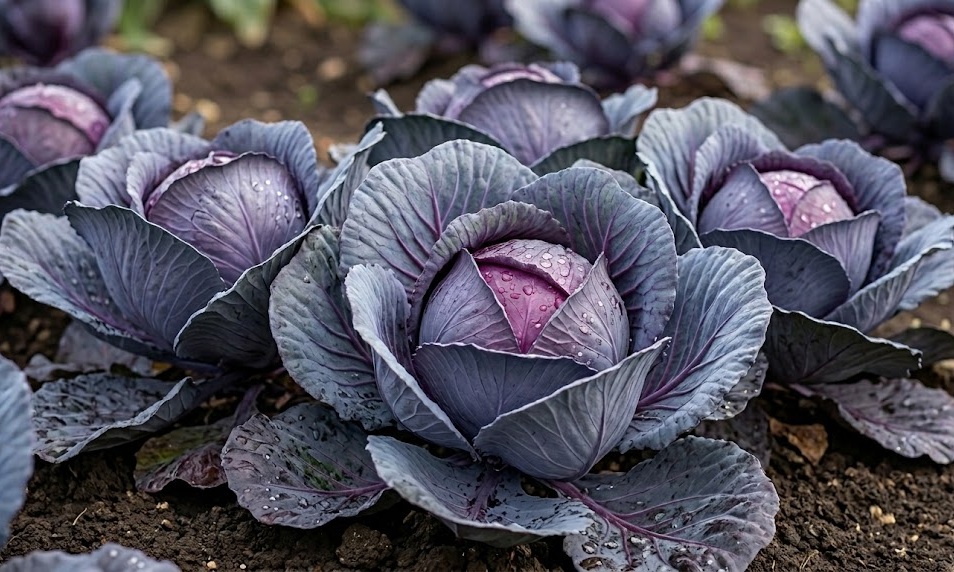
Keeping an eye on the color and texture of the outer leaves can tell you a lot about the plant’s internal health. Deep purple or vibrant red hues indicate that the plant is producing high levels of anthocyanins, which are linked to both nutrition and light exposure. If the leaves start to turn yellow or show spots, it is time to investigate potential nutrient deficiencies or fungal infections. Regular inspections allow you to intervene early before a minor issue becomes a crop-wide disaster.
The firmness of the head is the primary indicator of maturity and readiness for the kitchen. You can gently squeeze the developing head to feel for resistance and density as it matures. A head that feels solid and heavy for its size is usually ready for harvest, whereas a soft head needs more time. Mastering the timing of the harvest ensures that you capture the best flavor and the longest potential storage life for your red cabbage.
Environmental factors like temperature spikes or sudden cold snaps can influence the speed of development. You should be prepared to adjust your care routine based on the weather forecast to protect the plants during sensitive transitions. Understanding the rhythm of the specific variety you are growing allows you to predict harvest windows with greater accuracy. This level of professional observation distinguishes an expert gardener from a casual hobbyist.
Best practices for harvesting
The final step in the care of red cabbage is a precise and clean harvest to preserve the quality of the produce. You should use a sharp, sterilized knife to cut the head at the base, just above the lowest set of leaves. Cutting cleanly prevents jagged edges that can invite rot or pests during the storage period. It is best to harvest in the cool of the morning when the water content in the leaves is at its highest.
Removing the outer, tougher leaves immediately after cutting helps in reducing the overall volume and cooling the head faster. These outer leaves can be composted to return their nutrients to the garden cycle. You should handle the harvested heads with care to avoid bruising the delicate internal structures. Bruised tissue can quickly lead to spoilage and a reduction in the nutritional value of the vegetable.
If you plan to store the red cabbage for an extended period, leave a small portion of the stem attached to the head. This technique helps the plant retain its moisture levels for a few extra weeks in a cool, dark environment. Storing the heads in a single layer rather than stacking them prevents the accumulation of heat and moisture between the vegetables. A well-executed harvest is the culmination of months of hard work and careful management.
After the harvest is complete, it is important to clear the remaining stalks and roots from the garden bed. Leaving old plant material in the ground can provide a bridge for diseases to survive into the next season. You can use this time to assess the soil and decide if any immediate amendments are needed before the next planting. Taking the time to finish the season professionally sets the stage for future success in your agricultural journey.