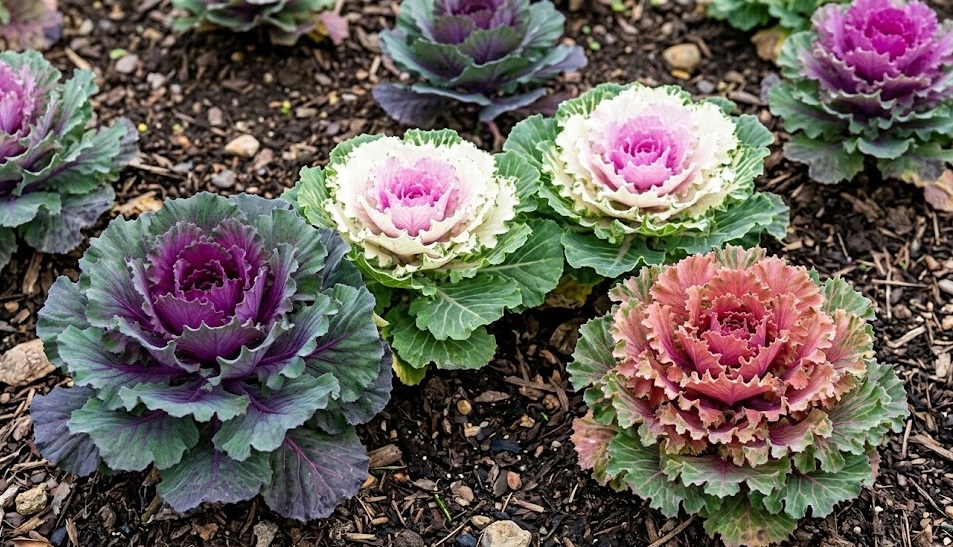

Maintaining the vibrant appearance of ornamental cabbage requires a deep understanding of its specific biological needs throughout the autumn and winter months. These plants are prized for their colorful rosettes which intensify as temperatures begin to drop toward the freezing point. Successful cultivation depends on balancing soil moisture, nutrient availability, and protection from extreme weather conditions. By following professional horticultural practices, you can ensure that these decorative vegetables remain the highlight of your garden until the arrival of spring.
General maintenance principles for autumn
Professional gardeners often emphasize that the beauty of these plants is directly linked to the environmental stress of cold weather. As the nights get longer and the air turns crisp, the chlorophyll in the leaves begins to break down, revealing brilliant pinks, purples, and whites. You should monitor the weather forecast closely to anticipate any sudden shifts that might affect the plant’s metabolic rate. Consistent observation allows for timely adjustments in your care routine, ensuring the foliage remains turgid and colorful throughout the season.
The structure of the rosette is quite dense, which can sometimes trap debris or falling leaves from nearby trees. It is essential to gently clear away any organic matter that settles between the leaves to prevent rot or fungal growth. Keeping the crown of the plant clean also allows for better air circulation around the center of the cabbage. This simple habit significantly reduces the risk of localized moisture buildup, which is a common precursor to many decorative plant diseases.
Soil health is the foundation of a successful ornamental cabbage display, even during the cooler months when growth slows down. You should ensure the soil remains well-drained but consistently moist to support the plant’s structural integrity. Compaction can be a major issue in late autumn, so occasionally loosening the surface soil with a small hand tool can be beneficial. Avoid disturbing the root system too deeply, as these plants prefer a stable environment once they have established their position in the bed.
As the season progresses, the lower leaves may naturally yellow or become damaged by wind and rain. Removing these aging leaves promptly helps the plant direct its energy toward maintaining the central, more colorful foliage. This practice also improves the overall aesthetic of the garden, giving it a neat and professionally managed appearance. Using sharp, sterilized shears for this task prevents the introduction of pathogens through the cut surfaces of the stems.
More articles on this topic
Soil quality and preparation
The chemical composition of the soil plays a vital role in how the colors develop in the ornamental foliage. A slightly acidic to neutral pH range is generally considered ideal for these varieties of cabbage. You can test your soil before the season begins to determine if any amendments are necessary to reach this balance. Adding well-rotted organic matter or high-quality compost can provide the necessary buffering capacity to maintain stable conditions.
Physical structure is just as important as chemical balance when it comes to long-term plant health. Ornamental cabbage thrives in loamy soil that provides a mix of aeration and moisture retention. If your garden has heavy clay soil, consider adding coarse sand or perlite to improve the drainage characteristics. This prevents water from stagnating around the roots, which is particularly dangerous during the cold, wet periods of late autumn.
Nutrient availability should be consistent but not excessive, as too much nitrogen can lead to lush green growth at the expense of color. Focus on providing a balanced supply of phosphorus and potassium to strengthen the plant’s cellular walls. These elements help the cabbage withstand the physical stress caused by frost and winter winds. A slow-release granular product applied at the beginning of the season often yields the best results for home gardeners and professionals alike.
Microbial activity in the soil remains important even as temperatures drop throughout the month of October. Using mulch can help regulate the soil temperature and provide a habitat for beneficial soil organisms. A layer of bark chips or straw keeps the roots insulated and prevents the soil from splashing onto the decorative leaves during heavy rain. This keeps the plants looking pristine and reduces the need for frequent cleaning of the lower rosettes.
More articles on this topic
Temperature management and frost tolerance
Ornamental cabbage is exceptionally hardy and can often survive temperatures as low as minus fifteen degrees Celsius. The cold is actually a catalyst for the pigment changes that make these plants so desirable in the landscape. You will notice that the colors become more saturated after the first few light frosts of the season. This physiological response is a natural defense mechanism that prepares the plant for the harsher conditions of mid-winter.
While they are frost-tolerant, sudden and extreme fluctuations in temperature can cause physical damage to the leaf tissues. If a severe cold snap is predicted after a period of unseasonably warm weather, providing temporary cover can be a wise precaution. Using a breathable horticultural fleece allows the plant to stay protected without trapping too much moisture or heat. Remove the cover as soon as the extreme conditions pass to allow for natural airflow and light exposure.
In regions with very high humidity or frequent freezing and thawing cycles, the risk of ice damage increases. Ice forming directly on the leaves can cause bruising or cell rupture, leading to unsightly brown spots. Positioning your plants in a location that receives morning sun can help them thaw gradually after a cold night. This slow warming process is much less stressful for the plant’s vascular system than a rapid temperature increase.
The ambient air temperature also influences the rate at which the plant consumes water and nutrients. During warmer spells in late autumn, you might find that the soil dries out faster than expected. Conversely, in very cold weather, the plant’s metabolic processes slow down significantly, and water needs decrease. Adjusting your care routine based on the thermometer rather than a fixed calendar is the hallmark of an expert gardener.
Weed control and garden hygiene
Competing plants can quickly drain the soil of essential nutrients and moisture needed by your ornamental cabbages. Maintaining a weed-free zone around each plant ensures that the cabbage remains the focal point of the garden bed. Regular hand-weeding is the most effective method, as it allows you to inspect the soil surface for pests at the same time. Being proactive with weed management prevents the buildup of seeds that could cause problems in the following spring.
The area surrounding your ornamental display should be kept clear of decaying plant material from other species. Slugs and snails often hide under fallen leaves or old mulch during the day and emerge at night to feed on your cabbage. By keeping the garden tidy, you remove these hiding spots and reduce the likelihood of pest infestations. A clean garden environment is always the first line of defense against most common horticultural problems.
When weeding, be careful not to damage the shallow root systems of the ornamental cabbage. Using a small hoe can be effective, but manual pulling is often safer when working close to the stem. If you choose to use herbicides, ensure they are labeled for use around edible-related species to avoid phytotoxicity. Most professionals prefer mechanical or manual methods to maintain the organic integrity of the soil and plant health.
Applying a fresh layer of mulch after weeding can help suppress new weed growth for several weeks. This not only saves labor but also adds a professional finish to the appearance of the garden beds. Choose a mulch color that complements the white or purple tones of your cabbage for a truly striking visual effect. Wood chips or cocoa shells are popular choices that provide both functional and aesthetic benefits.
Aesthetic maintenance and shaping
As the ornamental cabbage grows, the stem may elongate, especially if the plant is searching for more light. This can sometimes lead to a “leggy” appearance that detracts from the compact beauty of the rosette. You can gently mound a bit of soil or mulch around the base of the stem to provide more stability and a neater look. This helps the plant stay upright even during periods of heavy snow or strong winter gusts.
The symmetry of the rosette is one of its most appealing features for landscape design. If the plant begins to grow lopsided, it might be an indication that the light source is unevenly distributed. You can occasionally rotate plants that are grown in containers to ensure they develop a balanced shape. For plants in the ground, ensuring there are no large obstructions blocking the sun will help maintain their natural form.
Dust and dirt can sometimes accumulate on the broad leaves, dulling the vibrant colors of the plant. A gentle rinse with a garden hose on a sunny morning can restore the luster of the foliage. Make sure the leaves have enough time to dry completely before the sun sets to prevent fungal issues. Clean leaves are better at photosynthesis, which supports the plant’s overall vigor during the shorter days of winter.
In some cases, you might want to remove certain leaves to highlight the central “flower” of the cabbage. This is a common technique in high-end landscaping where a specific visual impact is required. Always use a sharp knife to make clean cuts as close to the main stem as possible. This minimizes the wound area and allows the plant to heal quickly without inviting pests or decay.
Seasonal transition strategies
Transitioning from the heat of summer to the coolness of autumn requires a shift in how you handle these plants. If you purchased your cabbage from a nursery, it may need a short period of hardening off before being planted permanently. Slowly exposing the plant to outdoor conditions over several days prevents transplant shock and ensures a successful start. This gradual adjustment period is crucial for the longevity of the plant in your garden.
As the daylight hours decrease, the plant’s ability to produce energy through photosynthesis also declines. This is the natural signal for the cabbage to stop its vegetative growth and focus on color development. You should reduce the amount of fertilizer you provide during this phase to avoid forcing weak, new growth. Respecting the natural cycle of the plant ensures it remains healthy and vibrant for the maximum possible duration.
In late autumn, the risk of heavy rainfall increases in many temperate climates. Ensure that your garden beds have adequate paths for water runoff to prevent the cabbage from sitting in waterlogged soil. If the plants are in pots, checking the drainage holes for blockages is a vital part of your seasonal maintenance. Proper drainage is the secret to keeping the root system functional and free from pathogens during the wet months.
Planning for the eventual removal of the plants is also part of a professional care routine. Once the cabbage begins to bolt or loses its aesthetic appeal in late winter, it should be composted to return nutrients to the soil. This clears the space for spring-flowering bulbs or early vegetables, keeping the garden cycle moving forward. A well-managed garden always has a plan for what comes next after the ornamental cabbage has finished its display.
Long term plant health and vigor
Maintaining high vigor in ornamental cabbage depends on the quality of the starting material and the consistency of care. Selecting robust specimens with thick stems and healthy root balls at the beginning of the season is essential. A healthy plant is much more resilient to environmental stressors and pest pressure throughout its life. Investing in high-quality plants from a reputable grower pays off in the long run with a more impressive display.
The vascular system of the cabbage is responsible for transporting water and nutrients from the roots to the leaves. To keep this system working efficiently, avoid physical damage to the main stem or the base of the plant. Cracks or bruises can disrupt the flow of sap and provide an entry point for bacteria or fungi. Treating the plants with care during maintenance tasks ensures they remain structurally sound and visually appealing.
Biological diversity in the garden can also support the health of your ornamental cabbages. Planting companion species that attract beneficial insects can help manage pest populations naturally. This reduces the need for chemical interventions and creates a more sustainable garden ecosystem. A balanced environment is always more stable and easier to manage than one that relies heavily on synthetic inputs.
Finally, keeping a garden journal can help you track the performance of different varieties in your specific microclimate. Note which colors were the most intense and which plants lasted the longest into the winter season. This information is invaluable for planning future displays and refining your care techniques over time. Continuous learning and observation are the keys to becoming a true expert in ornamental horticulture.