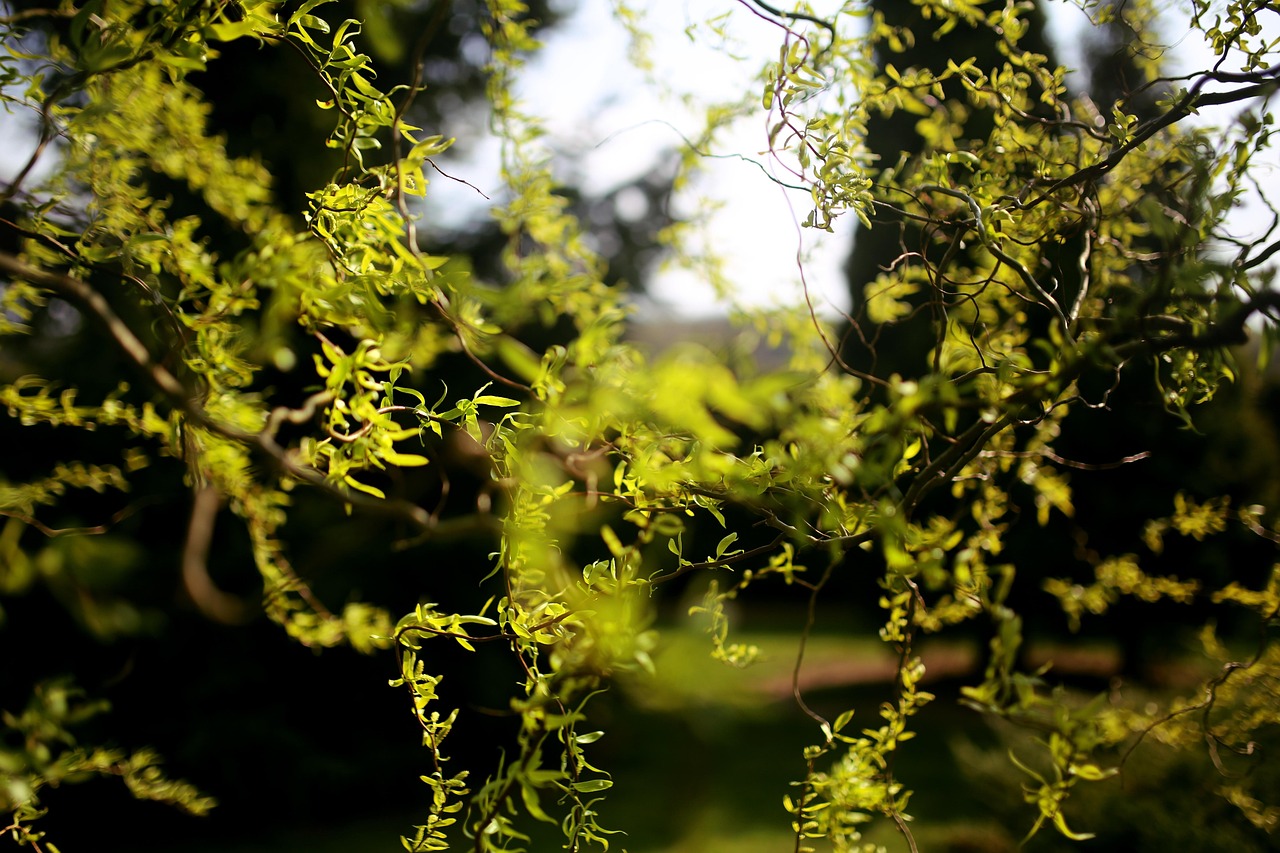

Pruning is the artistic and practical tool that allows you to shape the growth of your corkscrew willow while maintaining its long-term health. You will find that these trees respond exceptionally well to the shears, often producing a flush of new, even curlier growth after a good trim. It is essential to understand both the timing and the technique of pruning to avoid causing unnecessary stress or introducing disease. By mastering the art of the cut, you can keep your willow looking its best while ensuring its structural safety in the garden.
The primary reason to prune a willow is to maintain its distinctive “corkscrew” form and prevent it from becoming a tangled mess. Because these trees grow so rapidly, they can quickly lose their aesthetic appeal if left to their own devices for too long. You should aim to remove any straight shoots or “water sprouts” that detract from the overall curly character of the specimen. Regular maintenance pruning ensures that the energy of the tree is focused on the parts that provide the most visual interest.
Safety is another major consideration when it comes to managing a large tree like the willow. Because the wood is relatively brittle, branches can become heavy and prone to snapping as they grow longer. Pruning helps to reduce the “wind sail” effect of a dense canopy, making the tree more resilient during summer storms or winter snows. By selectively thinning the branches, you allow the wind to pass through the tree more easily, reducing the pressure on the trunk and root system.
You should always start your pruning session by removing the “three Ds”: dead, damaged, and diseased wood. These problematic branches serve no purpose for the tree and can actually be a entry point for pests or fungi. Cutting them out as soon as they are noticed is a fundamental part of good tree hygiene. Once the unhealthy parts are gone, you can focus on the more artistic aspects of shaping the tree to fit your specific vision for the landscape.
Timing and tools for successful pruning
The best time to perform major structural pruning on your corkscrew willow is during the dormant season, typically in the late winter. At this time, the absence of leaves allows you to see the entire branch structure clearly, making it easier to decide which cuts to make. The tree is also less likely to lose excessive sap, and the risk of spreading fungal diseases is much lower in the cold air. You can take your time to plan each move and ensure the best possible result for the tree’s future form.
More articles on this topic
Minor “touch-up” pruning can be done throughout the growing season if you notice a stray branch or a straight shoot that needs to go. However, you should avoid heavy pruning in the late summer or early autumn, as this can stimulate new growth that won’t have time to harden before winter. This tender new wood is almost certain to be killed by the first hard frost, which can leave the tree vulnerable to rot. Keeping your summer pruning light and focused is the safest approach for the tree’s health.
Using the right tools is just as important as the timing of your cuts for a professional finish. For smaller branches and the curly tips, a sharp pair of bypass hand pruners is usually the best choice. For larger limbs, you will need a set of loppers or a sharp pruning saw to ensure a clean, smooth cut that the tree can heal quickly. Always make sure your tools are clean and sharp before you start to avoid crushing the delicate tissues of the willow.
You should also have a plan for how to dispose of the branches you remove, especially if they show any signs of disease. Many gardeners find that the curly branches of the willow make excellent material for indoor floral arrangements or even natural garden crafts. If the wood is healthy, you can use the larger pieces as decorative stakes for other plants or add them to your compost pile after shredding. Turning your pruning waste into something useful is a great way to close the loop in your garden.
Techniques for shaping and thinning
When you are ready to make a cut, you should always look for the “branch collar,” which is the slightly swollen area where a limb meets the trunk or a larger branch. You want to cut just outside this collar to allow the tree’s natural healing process to take place as quickly as possible. Making a cut too close to the trunk can damage the tree’s ability to seal the wound, while leaving a long stub can invite rot. This “target pruning” is a standard professional technique that ensures the long-term health of the specimen.
More articles on this topic
Thinning out the interior of the canopy is a great way to improve air circulation and light penetration throughout the tree. You should look for areas where branches are crossing or rubbing against each other, as these can create wounds over time. By removing one of the competing branches, you eliminate the source of the friction and create a more open, airy structure. This technique makes the tree look more “intentional” and less like a wild, unmanaged shrub.
If you want to encourage more of the characteristic “corkscrew” growth, you can prune back the tips of the branches to a healthy, outward-facing bud. This simple act stimulates the growth of new lateral branches that are often even more twisted than the originals. It is a bit like giving the tree a haircut that encourages it to grow back thicker and more curly. You can repeat this process every few years to maintain a dense and visually striking canopy.
Sometimes, an older willow might require more drastic “renewal pruning” to restore its vigor and beauty. This involves removing some of the oldest, largest limbs to make room for fresh, young growth to emerge from the center of the tree. While this can look a bit stark at first, the willow’s rapid growth rate means it will quickly fill back in with vibrant new branches. Knowing when to be bold with your pruning is part of the growth of every experienced gardener.