
The relationship between blue fescue and sunlight is the most influential factor in determining its aesthetic quality and health. You must recognize that the striking coloration and compact growth habit are direct results of high light intensity. Without sufficient solar energy, the plant will lose its primary appeal and become a source of frustration rather than beauty. A professional understanding of light management is essential for anyone wishing to incorporate this grass into a high-quality landscape design.
The necessity of full sun for peak color
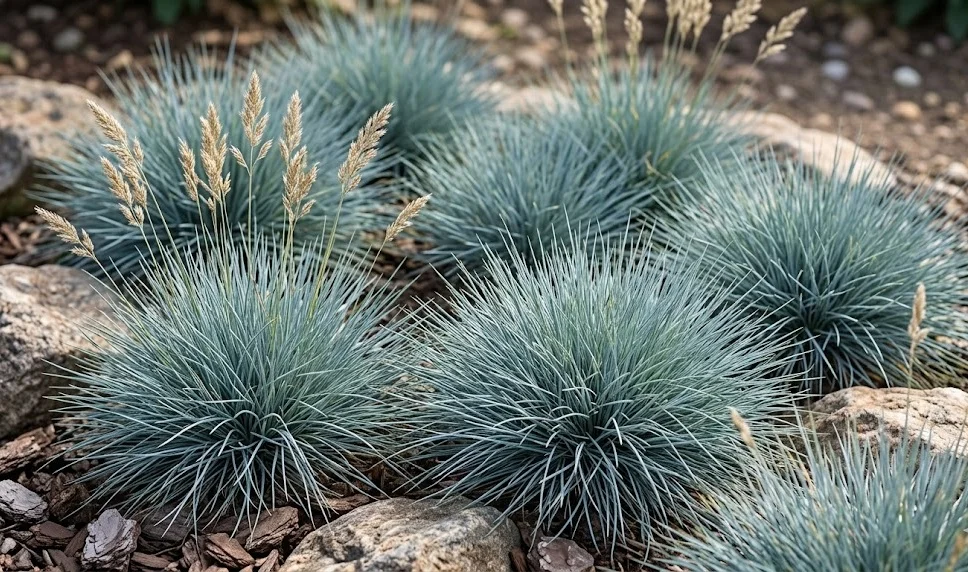
To achieve the most intense blue-silver hue, you should place these grasses in a location that receives at least six to eight hours of direct sunlight daily. The ultraviolet rays trigger the production of the waxy coating that gives the foliage its unique appearance and protects it from drying out. In lower light conditions, the plant will compensate by producing more chlorophyll, which turns the leaves a standard green. This shift in color is a clear signal that the light levels are insufficient for the species’ optimal performance.
You will also find that full sun is critical for maintaining the tight, mounded shape that makes blue fescue so popular for edging and massing. In bright light, the blades grow shorter and more rigid, creating a dense and structurally sound clump. When the light is too low, the plant will often “stretch” toward the nearest source of illumination, leading to a floppy and disorganized appearance. A professional gardener knows that you cannot force a plant to look its best if its basic energy needs are not being met.
Site orientation is another professional consideration that impacts how much usable light the plants actually receive throughout the day. South-facing slopes or open areas away from tall structures are usually the best spots for these sun-loving grasses. You should also consider the movement of shadows throughout the seasons, as a spot that is sunny in the summer might be in deep shade during the spring and fall. Constant monitoring of light patterns is a hallmark of an expert designer who wants lasting results.
Reflected light can also play a role in enhancing the color and vigor of the grass, especially in modern landscape designs. Planting near light-colored walls or using light gravel mulch can increase the overall light intensity around the foliage. This extra boost can be particularly helpful in northern climates where the sun’s angle is lower and the total hours of daylight are shorter. By maximizing every available ray of sun, you ensure that your blue fescue remains a standout feature in your garden.
More articles on this topic
Effects of partial shade and light competition
While blue fescue is a tough plant, it does not compete well with larger neighbors for the available light. You should avoid planting it directly under the canopy of dense trees or behind tall perennials that will overshadow it for most of the day. Even partial shade can lead to a significant decline in the density of the clump and the vibrancy of its color. If you must plant in a semi-shaded area, you should expect a more subtle green appearance and a looser growth habit.
In some cases, you might notice that one side of a plant looks better than the other because of uneven light distribution. This often happens when the grass is planted too close to a wall or a larger shrub that blocks the sun for half the day. To prevent this lopsided growth, you must ensure that the light reaches all sides of the clump as evenly as possible. A professional layout takes into account these spatial relationships to ensure the uniform development of every specimen.
Over time, your garden will change as trees and shrubs grow larger, which can slowly alter the light levels for the smaller plants below. You should be prepared to prune back overhanging branches or even move your fescue if the shade becomes too deep. This proactive management of the “light budget” is essential for maintaining the long-term integrity of your landscape design. An expert is always looking ahead to see how the growth of the garden will impact its various components.
If you find that your garden simply doesn’t have enough sun for blue fescue, it is often better to choose a different species that is more shade-tolerant. There are many other ornamental grasses and sedges that thrive in lower light and can provide a similar texture. Trying to force a sun-loving plant into a shady spot is a common mistake that leads to more maintenance work and poor results. Professional gardening is about matching the right plant to the right place.
More articles on this topic
Adapting to intense heat and light intensity
In regions with extremely hot summers, the combination of intense sun and high temperatures can sometimes be a bit much for even this hardy grass. You might notice the tips of the leaves turning brown or the plant entering a semi-dormant state during the peak of a heatwave. While the plant still needs the light, providing a little bit of afternoon shade in very hot climates can sometimes help it stay fresher. This is one of the few exceptions where full sun might be slightly modified for the plant’s comfort.
You should also be aware that the intensity of the light can affect the plant’s water needs, as more sun leads to higher evaporation rates. Even though the grass is drought-tolerant, it will need a bit more support if it is baked in the sun all day without any relief. A professional touch involves balancing the need for light with the need for moisture to prevent the plant from becoming overly stressed. Monitoring the plant’s reaction to extreme light levels allows you to make these fine-tuned adjustments.
Using inorganic mulches like light-colored stones can help reflect some of the heat while still providing the high light levels the plant loves. This creates a brighter environment for the foliage without significantly increasing the temperature of the soil and root zone. It is a sophisticated way to manage the microclimate around your plants for better health and color. A professional approach always looks for these synergistic ways to improve the growing environment.
Finally, remember that the goal of light management is to support the plant’s natural beauty without pushing it beyond its limits. You should aim for a balance where the grass receives enough light to be blue and compact, but not so much that it becomes scorched or exhausted. This subtle understanding of light and its effects is what separates a master gardener from a novice. By paying close attention to the light in your garden, you can unlock the full potential of your blue fescue.