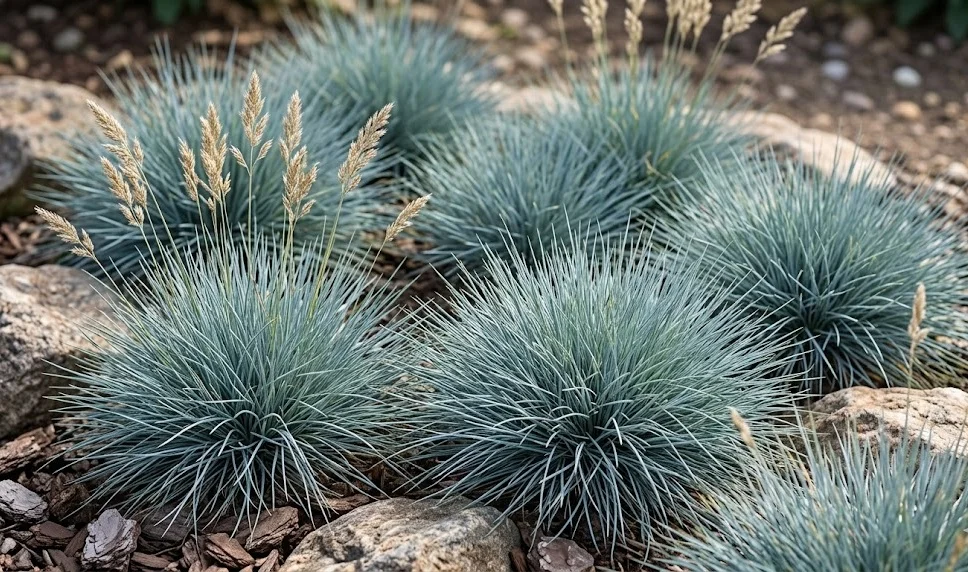

Maintaining the striking appearance of these ornamental grasses requires a deep understanding of their biological preferences and environmental needs. While many gardeners appreciate their steel-blue foliage and compact growth, achieving long-term success involves more than just occasional observation. You must prioritize the balance between soil quality and light exposure to keep the clumps looking vibrant and healthy throughout the growing season. By following professional standards, you can ensure that these plants remain a highlight of your landscape design for many years to come.
Understanding the foundational needs of the plant
Success begins with recognizing that these plants are remarkably self-sufficient once they have become established in their permanent environment. You will find that they thrive in conditions that might be challenging for more delicate ornamental species. The primary goal of any care routine should be to mimic the natural, well-drained habitats where these grasses originally evolved. This means avoiding excessive intervention and allowing the plant to regulate its own growth within a supportive framework.
Consistency in observation is the hallmark of an expert gardener who wants to keep their landscape in peak condition. You should regularly check the center of the clumps to ensure they are not becoming overly congested or showing signs of die-back. When the plant feels supported by its environment, it will produce the characteristic intense coloration that defines its aesthetic value. Understanding these subtle signals allows you to adjust your maintenance strategy before any significant issues arise.
Environmental factors such as wind exposure and local humidity levels also play a crucial role in the overall health of the grass. In regions with high humidity, you must be particularly vigilant about maintaining adequate spacing between individual plants. Good airflow is essential because it prevents moisture from sitting on the foliage for extended periods, which could lead to aesthetic degradation. By tailoring your approach to your specific microclimate, you provide the best possible foundation for growth.
Finally, remember that the lifespan of these grasses is relatively short compared to some larger perennial species. You should expect that after three or four years, the plant may naturally begin to lose some of its vigor and structural integrity. This is not necessarily a sign of poor care, but rather a natural part of the plant’s life cycle. Planning for periodic rejuvenation ensures that your garden remains filled with youthful, energetic specimens that contribute to a cohesive visual experience.
More articles on this topic
Maintaining the intensity of the blue foliage
The distinctive blue-grey hue of the leaves is a result of a waxy coating that serves as a protective layer against moisture loss. To keep this color at its peak, you must ensure the plant receives the maximum amount of sunlight available in your garden. Lack of light often results in the foliage turning a duller green, which strips the plant of its most desirable characteristic. Expert care involves placing these grasses where they can soak up the sun without competition from taller neighbors.
You should also be aware that the intensity of the color can fluctuate depending on the time of year and the age of the leaves. New growth typically exhibits the most vivid blue tones, while older blades may start to fade or turn brown over time. Regular cleaning of the clumps helps to highlight the fresh growth and keeps the overall appearance looking crisp and modern. This simple task makes a significant difference in how the plant is perceived within a professional landscape.
Soil chemistry can also influence the visual output of the foliage, although the effect is often more subtle than light exposure. While the grass is not overly picky about pH levels, maintaining a neutral to slightly acidic environment generally supports the best color development. You should avoid over-fertilizing, as excessive nitrogen can lead to rapid green growth that lacks the silver-blue intensity of slower-developing leaves. Keeping the nutrient levels modest encourages the plant to maintain its natural, hardy state.
Temperature variations throughout the seasons will also impact how the blue pigment presents itself to the eye. During the peak of summer or the depths of winter, the waxy coating might thicken or change slightly in response to environmental stress. This is a natural defense mechanism that helps the plant survive extreme conditions while retaining its structural form. By understanding these seasonal shifts, you can appreciate the changing beauty of the grass without worrying about minor variations in shade.
More articles on this topic
Soil management for long term health
The quality of the substrate is perhaps the most critical factor in the long-term survival of this ornamental grass species. You must provide a soil structure that allows water to pass through quickly and efficiently to prevent root rot. Heavy clay soils are particularly dangerous because they trap moisture and exclude the oxygen that roots need to function. If you are dealing with heavy soil, you should incorporate organic matter or grit to improve the internal drainage.
In addition to drainage, the physical structure of the soil should allow for easy root penetration and expansion. Even though the root systems are not exceptionally deep, they need a loose environment to establish a firm anchor. You will notice that plants grown in well-aerated soil tend to form more symmetrical and compact mounds. This structural integrity is important for both the health of the plant and its visual appeal in a formal garden setting.
Mulching is a practice that requires a careful touch when dealing with silver-blue grasses that prefer dry conditions. You should avoid using heavy organic mulches like wood chips directly against the base of the plant, as this can trap unwanted humidity. Instead, consider using inorganic mulches such as gravel or crushed stone which reflect heat and allow the crown to breathe. This approach not only looks professional but also aligns with the ecological preferences of the species.
Periodic soil testing can provide valuable insights into the mineral content and overall health of your garden beds. While you do not need to obsess over every minor nutrient fluctuation, ensuring that the soil isn’t becoming compacted or depleted is wise. You can use a garden fork to gently aerate the soil around the base of the clumps every spring. This simple act of physical maintenance helps to keep the rhizosphere healthy and active for the upcoming growing season.
Air circulation and spacing strategies
When designing a garden layout, the distance between individual specimens is a professional consideration that impacts plant health. You should provide enough space for each clump to reach its full mature width without being crowded by its neighbors. Crowding restricts airflow, which is a primary contributor to fungal issues and the general decline of the foliage quality. Proper spacing ensures that every leaf has access to the air and light it needs to thrive.
In mass plantings, it is tempting to place the grasses close together to achieve an instant “carpet” effect. However, you should resist this urge and follow the recommended spacing guidelines for the specific cultivar you are using. A well-spaced planting allows the individual mounds to retain their spherical shape, which is a major part of their architectural charm. When the plants merge too tightly, they lose their distinct outlines and become a disorganized mass.
Strategic placement near walkways or open areas can take advantage of natural wind patterns to further enhance air circulation. You will find that plants located in breezy spots often stay drier and healthier during periods of frequent rainfall. If your garden is enclosed by high walls or dense hedges, you may need to increase the spacing even further to compensate for the lack of natural movement. This proactive planning prevents many common maintenance headaches before they even start.
During the height of summer, good air movement also helps to regulate the temperature around the base of the plant. High heat combined with stagnant air can cause the grass to enter a semi-dormant state where it looks stressed and tired. By ensuring that the atmosphere around the foliage is constantly refreshed, you help the plant manage its internal temperature more effectively. This results in a more resilient garden that can withstand the challenges of a changing climate.
Identifying early signs of stress
A professional gardener always keeps a sharp eye out for the subtle changes that indicate a plant is struggling. You should look for any yellowing or browning of the leaves that occurs outside of the normal aging process. If the center of the clump begins to flatten or die out, it is often a sign that the plant is either too old or suffering from excess moisture. Catching these signs early allows you to take corrective action, such as dividing the plant or adjusting your watering habits.
Another indicator of stress is a sudden loss of the characteristic blue color, which can happen if the plant is not getting enough light. You might notice the leaves becoming elongated and weak as the plant tries to reach for more sun. This “legginess” ruins the compact form that is so desirable in ornamental grasses. If you see this happening, you should consider moving the plant to a brighter location or pruning back overhanging branches from nearby shrubs.
Physical damage from pests or mechanical sources should also be addressed as soon as it is noticed. While these grasses are generally quite tough, broken leaves can provide an entry point for pathogens. You can gently remove any damaged sections with clean shears to maintain the aesthetic and health of the mound. Keeping the plant tidy not only makes it look better but also reduces the hiding spots for insects that might cause harm.
Finally, pay attention to how the plant reacts after a period of extreme weather, such as a heatwave or a cold snap. A healthy specimen should bounce back relatively quickly once conditions return to normal. If a plant remains slumped or discolored for several weeks, it may need some extra care or even replacement. Monitoring these recovery periods gives you a good sense of the overall resilience of your garden’s population.
Managing the life cycles of ornamental grass
Every plant has a natural rhythm, and understanding these cycles is key to providing expert care. You will observe that the blue fescue has a peak growing season in the spring and fall, with a slower period during the heat of mid-summer. During the active phases, the plant is putting its energy into new foliage and occasionally producing flower spikes. You should adjust your maintenance tasks to support these different stages of development throughout the year.
The flowering stage is a point of debate among gardeners, as some prefer the look of the seed heads while others find them messy. You have the option to leave the flowers to add vertical interest or remove them to keep the focus on the blue foliage. Removing the flower stalks before they go to seed can also help the plant conserve energy for vegetative growth. This choice depends on the specific aesthetic goals you have for your landscape project.
As the clumps reach their third or fourth year, they often begin to show signs of senescence in the middle. You will see a “doughnut” effect where the center is dead or thin while the outer ring remains green and active. This is a clear signal that it is time to rejuvenate the planting through division or replacement. Staying ahead of this natural decline ensures that your garden always looks fresh and well-maintained.
Successful long-term management also involves planning for the eventual transition of individual plants. You might keep a few younger specimens in a nursery area to replace older ones as they fade out. This allows for a seamless landscape where the overall design remains consistent even as individual components change. Professional garden management is about seeing the big picture and understanding how the parts fit together over time.
Companion planting for aesthetic and health benefits
Choosing the right neighbors for your blue fescue can enhance both the visual impact and the health of the entire garden bed. You should select companion plants that share similar cultural requirements, such as a love for full sun and well-drained soil. Succulents, lavender, and other drought-tolerant perennials make excellent partners that won’t compete for excessive moisture. This synergy creates a sustainable ecosystem where all the plants can thrive together without constant intervention.
The color contrast provided by companion plants can also make the blue of the fescue pop more intensely. Dark purple or deep green foliage in the background serves as a perfect foil for the cool tones of the grass. You can also experiment with different textures, pairing the fine blades of the fescue with broad-leaved plants for a sophisticated look. Professional designers often use these contrasts to create depth and interest in even the smallest garden spaces.
Beyond aesthetics, companion plants can provide functional benefits such as light shading for the root zone or attracting beneficial insects. However, you must ensure that these companions do not grow so large that they block the essential sunlight the fescue requires. Maintaining a clear hierarchy of height and spread is essential for a balanced design. By carefully curating the plant community, you reduce the overall maintenance burden and increase the garden’s resilience.
Finally, consider the seasonal interest of the companion plants to ensure the garden looks good year-round. While the fescue provides a stable base of color, adding plants that bloom at different times can provide dynamic energy to the space. You should aim for a composition that feels intentional and expert at every stage of the growing season. A thoughtful approach to companion planting is what separates a collection of plants from a truly professional landscape.