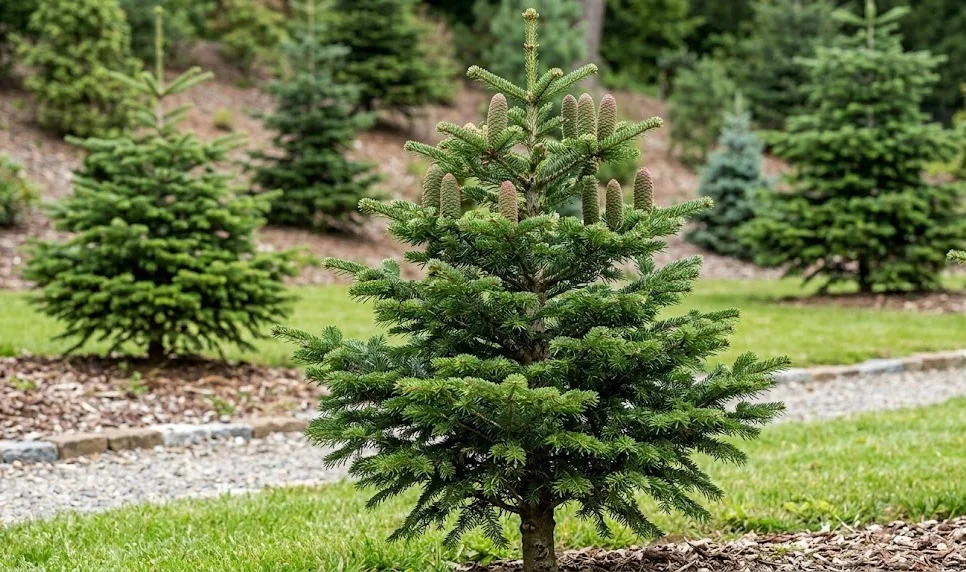

The successful establishment of a nordmann fir begins long before the first shovel hits the ground, starting with a comprehensive plan. You must carefully evaluate the planting site to ensure it meets the specific drainage and light requirements of this particular conifer species. Rushing the planting process or choosing an unsuitable location will almost certainly lead to poor growth or even the eventual death of the tree. Taking the time to prepare the soil and understand the propagation methods will yield a much healthier and more vigorous specimen.
When you are ready to begin, the quality of the planting stock or the seeds you choose will dictate the future potential of the forest or garden. Professionals always recommend sourcing materials from reputable suppliers who can guarantee the genetic purity and health of the fir. This is not a project where you should look for the cheapest option, as the investment of time is too great to risk on inferior plants. Every healthy tree starts with a strong foundation, whether it is a tiny seed or a container-grown sapling.
The timing of the planting is another critical factor that can determine the success or failure of the young fir’s transition. You should aim for the dormant season, typically in late autumn or early spring, when the tree is not actively putting out new growth. This allows the root system to begin establishing itself in the new environment without the stress of supporting a growing canopy. Proper timing minimizes the shock of transplantation and gives the tree a head start for the upcoming growing season.
Propagation can be a rewarding challenge for those looking to expand their collection or start a larger plantation from scratch. While growing from seed is a slow process, it allows for a greater volume of plants and a deeper connection to the life cycle of the tree. Alternatively, purchasing young seedlings for out-planting is a more common path for those who want to see results more quickly. Whichever path you choose, the principles of careful handling and environmental management remain the universal keys to success.
Site selection and preparation
Choosing the right spot for your fir is the most important decision you will make in the entire planting process. You should look for an area that offers deep, well-drained soil and protection from the most severe and drying winds. The nordmann fir is adaptable, but it will truly flourish in locations that mimic its native cool, moist mountain habitats. Avoid low-lying areas where frost pockets form or where water tends to stand for long periods after a heavy rain.
More articles on this topic
Before the tree arrives, you must prepare the soil by removing all competing vegetation and loosening the earth over a wide area. You should dig a hole that is at least twice as wide as the root ball but no deeper than the depth of the container. Loosening the surrounding soil allows the new roots to penetrate the ground more easily as they begin to expand outward. If the soil is particularly poor, you might consider mixing in a small amount of organic compost to improve the structure.
Drainage is a non-negotiable requirement that you must verify by performing a simple perk test at the chosen planting site. You can do this by digging a small hole, filling it with water, and observing how quickly it disappears into the ground. If the water is still standing after several hours, you will need to find a different location or install a drainage system. Poor drainage leads to root rot, which is one of the most common causes of failure for newly planted evergreens.
Finally, consider the long-term space requirements of the tree, keeping in mind its eventual height and the width of its base. You should ensure that the site is far enough away from buildings, power lines, and other permanent structures that could be damaged. A mature fir needs space for its roots to spread and for its canopy to receive adequate light from all sides. Planning for the future today prevents the need for drastic measures or the removal of the tree later on.
Planting techniques and best practices
The actual act of putting the tree into the ground requires a gentle touch and careful attention to the depth of the planting. You must ensure that the root flare, which is where the roots meet the trunk, is level with or slightly above the surrounding soil. Planting too deep can suffocate the roots and lead to trunk rot, while planting too shallow can cause the roots to dry out. Once the tree is positioned, you should backfill the hole with the original soil, tamping it down lightly to remove air pockets.
More articles on this topic
Watering immediately after planting is a vital step that helps settle the soil around the roots and provides much-needed hydration. You should apply water slowly and deeply, ensuring that the entire root zone is thoroughly saturated without becoming a muddy mess. This initial watering helps eliminate any remaining large air gaps that could cause the roots to desiccate and die. After the initial soak, you should monitor the moisture levels daily for the first few weeks to ensure a smooth transition.
Staking may be necessary for taller saplings or in areas that are prone to high winds that could blow the tree over. You should use soft ties and flexible stakes that allow the tree to move slightly, which actually encourages the development of a stronger trunk. Avoid tying the tree too tightly, as this can girdle the bark and restrict the flow of nutrients and water. Most trees will only need the support for the first year or two until their root systems are firmly established.
Applying a thick layer of mulch around the base of the new tree is the final touch for a professional planting job. You should keep the mulch a few inches away from the trunk itself to prevent moisture from sitting against the bark and causing rot. The mulch will help retain moisture in the soil, suppress weeds, and maintain a more consistent temperature for the young roots. This simple addition significantly increases the survival rate of newly planted firs during their first critical year.
Seed propagation and stratification
Growing nordmann firs from seed is a process that requires both patience and a specific understanding of seed dormancy. You must start with high-quality seeds that have been collected from healthy, mature trees to ensure a good germination rate. Before planting, these seeds usually require a period of cold stratification to mimic the natural winter conditions they would experience in the wild. This involves storing the seeds in a moist medium in the refrigerator for several weeks to break their internal dormancy.
Once the stratification period is complete, you can sow the seeds in a well-draining seed starting mix inside a greenhouse or cold frame. You should place the seeds just below the surface and keep the medium consistently moist but never waterlogged. Germination can be erratic and may take several weeks or even months depending on the specific conditions and seed quality. Maintaining a stable temperature and providing plenty of bright, indirect light will help the young seedlings emerge successfully.
The first year of a seedling’s life is its most vulnerable period, during which it requires constant protection and care. You should watch out for damping-off, a common fungal disease that can quickly kill entire trays of young evergreen seedlings. Providing good air circulation and avoiding overhead watering can significantly reduce the risk of this and other fungal issues. As the seedlings grow, they will need to be thinned or transplanted into larger containers to give them room to develop.
Transitioning the young plants to the outdoors, a process known as hardening off, must be done gradually over a period of several days. You should start by placing them in a sheltered spot for a few hours a day, gradually increasing their exposure to sun and wind. This allows the tender tissues to toughen up and prepares the small trees for the harsh realities of the open garden or field. Once they are strong enough, they can be moved to their permanent locations or a nursery bed for further growth.
Managing young saplings
After the initial planting or germination phase, the focus shifts to the long-term management of the young saplings. You should maintain a regular watering schedule, as young firs do not yet have the deep root systems needed to survive long droughts. However, you must also be careful not to overwater, which can lead to the same root problems as poor drainage in the field. Finding the right balance is a skill that comes with observation and experience in your specific garden environment.
Nutrition for young saplings should be handled with care, as their delicate roots can be easily burned by strong chemical fertilizers. You should wait at least a year after planting before applying any concentrated nutrients, allowing the tree to settle in first. When you do fertilize, use a slow-release formula that provides a steady supply of nutrients over several months. Organic options like diluted seaweed extract or a light top-dressing of compost are often the safest and most effective choices.
Protecting young trees from wildlife is another challenge that you must address early on to prevent significant physical damage. Deer, rabbits, and other small mammals find the tender new growth of the fir very appealing, especially in the winter months. Installing tree guards or fencing around individual saplings can provide a physical barrier that keeps these animals at bay. Repellent sprays can also be used, but they often require frequent reapplication to remain effective against hungry wildlife.
Finally, regular inspections for pests and diseases are even more important for young trees than for established ones. You should look for any signs of discolored needles, unusual growth patterns, or the presence of small insects on the underside of the branches. Catching a problem while the tree is still small makes it much easier to treat and prevents the issue from stunting the tree’s growth. With a little extra care in these early years, your young saplings will grow into the magnificent giants they were meant to be.