
Pruning and cutting back these small spring bulbs is a task that requires more patience than physical effort. Unlike many garden perennials that benefit from regular trimming to maintain their shape, these bulbs have a very specific biological timeline that must be respected. The way you handle the plant after the flowers have faded will determine its health and ability to bloom in the following years. Understanding the “why” behind these maintenance tasks is essential for any professional gardener or dedicated hobbyist.
The most important rule when it comes to pruning these plants is to never remove the green foliage prematurely. As the flowers disappear, the leaves are working hard to convert sunlight into energy through the process of photosynthesis. This energy is then transported down into the bulb, where it is stored to power next year’s growth and floral display. If you cut the leaves off while they are still green, you are essentially starving the bulb and weakening the plant for the future.
You should wait until the foliage has turned completely yellow or brown and has begun to wither on its own before removing it. At this stage, the plant has finished its energy transfer and is entering its natural summer dormancy. The leaves will often become brittle and can be easily pulled away from the ground with a gentle tug. If you have a large colony, you can also use a light rake to clear away the dead material once it has fully dried out.
While it may be tempting to “tidy up” the garden by braiding or tying the fading leaves together, this is not a professional practice. Tying the foliage reduces the surface area available for sunlight and can trap moisture, which may lead to fungal issues. It is much better to allow the leaves to lie flat on the ground and let nature take its course. If the sight of yellowing foliage bothers you, consider planting them among later-emerging perennials that will hide the dying leaves.
Deadheading for aesthetics and control
Deadheading, or the removal of spent flowers, is a pruning task that is largely a matter of personal preference and garden goals. If you want a neat and tidy appearance, you can snip off the flower stalks once the petals have fallen and the colors have faded. This prevents the plant from putting energy into seed production, theoretically allowing it to focus slightly more on bulb development. However, for such small plants, the energy saved by deadheading is often minimal compared to larger species.
More articles on this topic
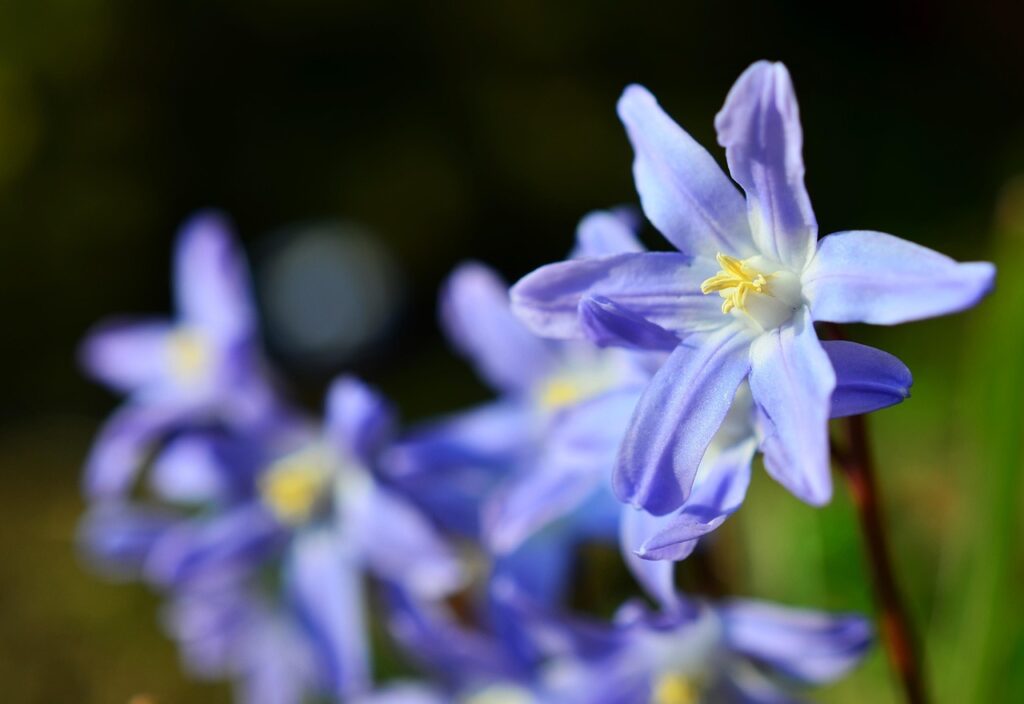
If your goal is to encourage the colony to spread and naturalize throughout your garden, you should avoid deadheading altogether. Allowing the seed pods to mature and burst is the key to creating a vast carpet of blue flowers over several years. The seeds are small and unobtrusive, and the process of natural dispersal adds a charming, wild element to the landscape. Many expert gardeners choose to leave the flower stalks alone for this very reason, embracing the full lifecycle of the plant.
When you do choose to deadhead, use a small pair of sharp garden snips or even your fingernails to pinch off the stem just below the base of the flower. Be careful not to damage the emerging leaves or the surrounding stems while you are working. This task is best done on a dry day to ensure that the small wounds on the stems heal quickly. Keeping your tools clean is always a professional habit that prevents the accidental spread of any lingering pathogens.
For those who grow these bulbs in containers, deadheading is often more important for maintaining a polished look in a small space. Since the plants are at eye level, the faded brown flowers can be more distracting than they are in a large garden bed. In a pot, you can easily maintain the display by spending a few minutes each week removing the old blooms. This keeps the focus on the remaining flowers and ensures the container remains an attractive feature on your patio or balcony.
Cleaning and maintaining the garden site
The final stage of pruning is the late-spring cleanup, which happens once all the foliage has completely disappeared. This involves removing the dead organic matter to prevent it from matting down and potentially smothering the ground for the summer months. A clean site also makes it easier to see where the bulbs are located, helping you avoid accidentally digging them up during summer planting. This tidying process is a great time to inspect the soil and look for any signs of late-season pests.
More articles on this topic
If your bulbs are planted in a lawn, the “pruning” is done by your lawnmower, but the timing is still critical. You must delay the first few mows of the season until the bulb foliage has completely withered into the grass. Mowing too early will kill the bulbs over time by preventing them from completing their energy storage cycle. Once the foliage is brown, you can resume your normal mowing schedule, and the area will blend seamlessly back into the rest of the lawn.
Mulching after the cleanup can help protect the dormant bulbs from the heat of the summer sun and keep weeds at bay. A thin layer of compost or finely shredded bark provides a finished look to the garden while enriching the soil for the next growing season. This layer also helps keep the soil temperature stable, which is beneficial for the resting bulbs beneath the surface. Professional site management is about thinking ahead to the next season even while the current one is ending.
Finally, remember that the most successful garden is one that works with the natural tendencies of the plants. These bulbs are designed to be self-sufficient and require very little human intervention to thrive for decades. By limiting your pruning to the essentials and respecting the plant’s biological needs, you are ensuring a sustainable and beautiful display. Your patience during the yellowing foliage phase will be rewarded with a spectacular burst of color every spring.