
Proper hydration and nutrient management are the cornerstones of maintaining healthy and prolific spring bulbs in a residential or professional landscape. While these plants are often considered low-maintenance, their specific needs during the active growth phase must be met to ensure long-term success. Because they grow and bloom in a very short window, every drop of water and every bit of fertilizer counts toward their energy reserves. Understanding how to balance these two factors will help you achieve a more consistent and vibrant display every year.
The watering needs of these bulbs are highest during the late winter and early spring when they are actively pushing through the soil. In many regions, natural precipitation from rain and melting snow provides sufficient moisture for their initial development. However, if you experience a particularly dry winter or an early spring drought, supplemental watering becomes necessary to prevent stunted growth. You should check the soil moisture regularly as soon as the first green tips begin to emerge from the ground.
When providing extra water, it is best to do so in the early morning hours to allow the foliage to dry before evening. This helps prevent the development of fungal diseases that thrive in cool, damp conditions. Aim to soak the soil to a depth of at least ten centimeters to ensure the water reaches the root zone effectively. Avoid frequent, shallow watering as this encourages roots to stay near the surface where they are more vulnerable to temperature changes.
As the plants enter their dormant phase in the summer, their watering requirements change drastically. During the hot months, the bulbs prefer to stay relatively dry to prevent rot and other moisture-related issues. If your bulb patch is located within a perennial bed that requires regular summer irrigation, ensure the soil has excellent drainage to protect the dormant bulbs. Finding the right balance between spring hydration and summer dryness is the key to a healthy bulb lifecycle.
Understanding the timing of fertilization
Fertilizing these early bloomers requires a strategic approach that aligns with their short but intense period of biological activity. Most expert gardeners agree that the best time to apply nutrients is in the autumn when the bulbs are beginning to grow new roots. This allows the plants to absorb the minerals and store them in their tissues before the ground freezes. Applying fertilizer too late in the spring may not provide enough time for the plant to utilize the nutrients effectively.
More articles on this topic
The type of fertilizer you choose will significantly impact the health of the bulbs and the quality of the flowers. A balanced, slow-release fertilizer with a lower nitrogen content is generally preferred for spring-flowering bulbs. High nitrogen levels can lead to excessive leaf growth and soft tissues that are more susceptible to disease and pests. Look for a product specifically formulated for bulbs, which usually contains higher levels of phosphorus and potassium to support root and bloom development.
You can also use organic amendments to provide a more natural and long-lasting source of nutrients for your garden. Well-rotted compost or leaf mold spread as a top dressing in the autumn will slowly break down and enrich the soil over time. Bone meal is another traditional organic option that provides a steady supply of phosphorus, which is essential for strong flower production. These organic methods also help improve the overall structure and microbial health of the soil in your garden beds.
Applying fertilizer correctly is just as important as choosing the right product to avoid damaging the sensitive bulbs. For established colonies, you can simply broadcast the granular fertilizer over the surface of the soil before a rain. If you are planting new bulbs, you can mix a small amount of fertilizer into the bottom of the planting hole, making sure to cover it with a layer of soil. Never allow the concentrated fertilizer to come into direct contact with the bulb scales, as this can cause chemical burns.
Managing moisture during the blooming period
The duration and quality of the flowers are directly tied to the amount of moisture available during the peak blooming weeks. If the soil becomes too dry while the plants are in full flower, the blooms will wither much faster than usual. Maintaining consistent soil moisture—not saturation—will help the petals remain turgid and vibrant for as long as possible. This is especially important during unseasonably warm spring days when evaporation rates are much higher.
More articles on this topic
Mulching is a professional technique that helps regulate soil moisture and temperature during the critical spring window. A thin layer of organic mulch, such as shredded leaves or fine bark, can reduce water loss through evaporation. It also prevents the soil from splashing onto the delicate petals during heavy rain, keeping your floral display clean and attractive. Be careful not to make the mulch layer too thick, as this could obstruct the emergence of the small flower stalks.
In container gardens, moisture management becomes even more critical because pots dry out much faster than the ground. If you are growing these bulbs in planters, you may need to check the moisture levels every day during the spring. Use a well-draining potting mix that contains some organic matter to help retain a baseline of moisture. Containers should always have drainage holes to prevent water from sitting at the bottom and causing the bulbs to rot.
After the flowers have finished blooming, you should continue to provide water until the foliage starts to turn yellow naturally. This post-bloom period is when the plant is most active in rebuilding its energy stores for the following season. If you cut off the water supply too early, the leaves may die back prematurely, resulting in smaller bulbs and fewer flowers next year. Once the leaves are completely brown and dry, you can stop all supplemental watering and let the bulbs rest.
Recognizing and correcting nutrient deficiencies
A keen eye can often spot nutrient problems by observing the growth patterns and color of the leaves and flowers. If the foliage appears pale or yellowish during the peak of the growing season, it may indicate a lack of nitrogen or iron. However, be careful not to confuse natural senescence with a deficiency, as the leaves are supposed to turn yellow as summer approaches. If the stems are weak and the flowers are small, it often points to a lack of phosphorus in the soil.
Soil testing is the most professional way to determine exactly what your garden needs instead of guessing with various products. A laboratory soil test will provide a detailed breakdown of the pH level and the concentrations of major and minor nutrients. This information allows you to tailor your fertilization program to the specific conditions of your property. It can also save you money by preventing the over-application of nutrients that are already present in sufficient quantities.
If you find that your soil pH is outside the ideal range of 6.0 to 7.0, you may need to take corrective action. Soil that is too acidic can lock up essential nutrients, making them unavailable to the plants even if they are present in the earth. Adding garden lime can raise the pH, while sulfur or peat moss can help lower it if the soil is too alkaline. Making these adjustments slowly over several seasons is better for the soil biology than trying to force a major change all at once.
Micronutrients, although needed in very small amounts, are vital for the overall health and resilience of the bulbs. Elements like magnesium, zinc, and manganese play roles in photosynthesis and the structural integrity of the plant cells. Most high-quality bulb fertilizers include these trace elements, but they are also naturally found in healthy, compost-enriched soil. Maintaining a diverse and biologically active soil environment is the best long-term strategy for providing all the necessary nutrients.
Long-term strategies for hydration and feeding
Developing a routine that works with your local climate will ensure your bulbs remain healthy for decades with minimal effort. Observe how your garden reacts to different weather patterns and adjust your watering and feeding schedule accordingly. For example, in years with very wet autumns, you might skip the initial watering after fertilizing to avoid over-saturation. Being flexible and attentive to the needs of the plants is what separates a master gardener from a beginner.
Integrating irrigation systems can be helpful, but they must be managed carefully to avoid harming the bulbs during their summer dormancy. If possible, place your bulb colonies in zones that can be turned off or adjusted independently from the rest of the garden. Drip irrigation is often better than overhead sprinklers because it delivers water directly to the soil without wetting the foliage. This targeted approach is more efficient and reduces the risk of leaf diseases in the crowded spring garden.
Encouraging deep root growth through proper watering and soil preparation makes the bulbs more resilient to environmental stress. When bulbs have a robust root system, they can tap into moisture reserves deeper in the soil during dry spells. This natural resilience is the goal of any sustainable gardening practice and leads to a more stable plant population. Consistent care over the first few years of establishment is the best way to build this foundation for the future.
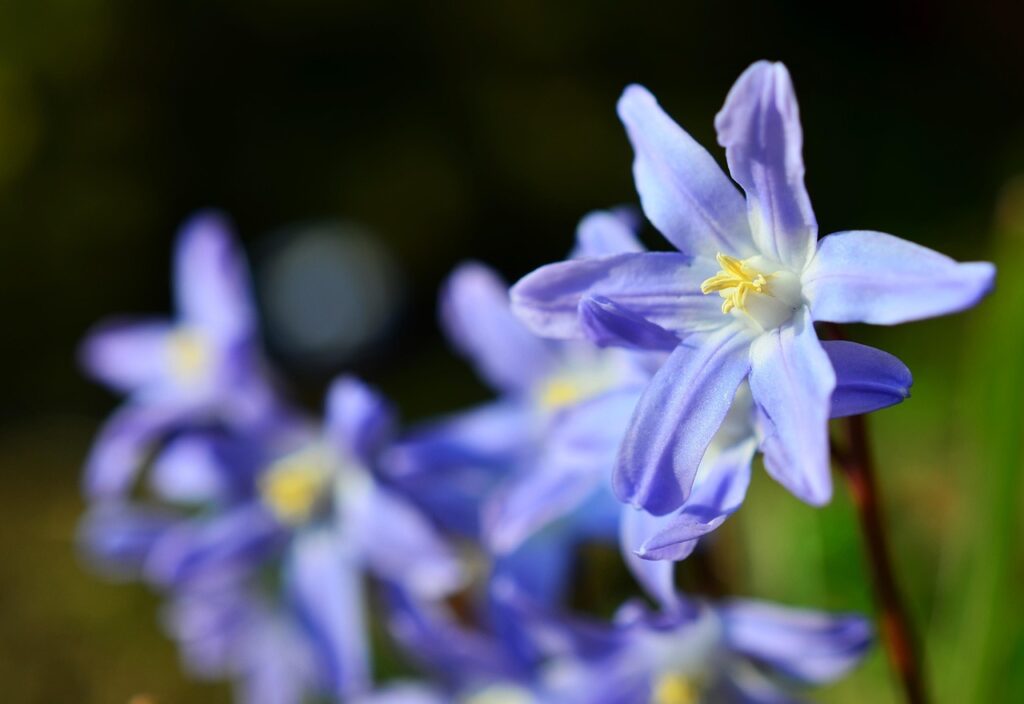
Ultimately, the goal of watering and fertilization is to support the natural vigor of the plant without making it dependent on constant intervention. These bulbs are naturally adapted to challenging environments and have internal mechanisms for surviving periods of scarcity. Your role is to provide a baseline of support that allows them to reach their full aesthetic potential. With the right balance of hydration and nutrition, your garden will be rewarded with a spectacular sea of blue every spring.