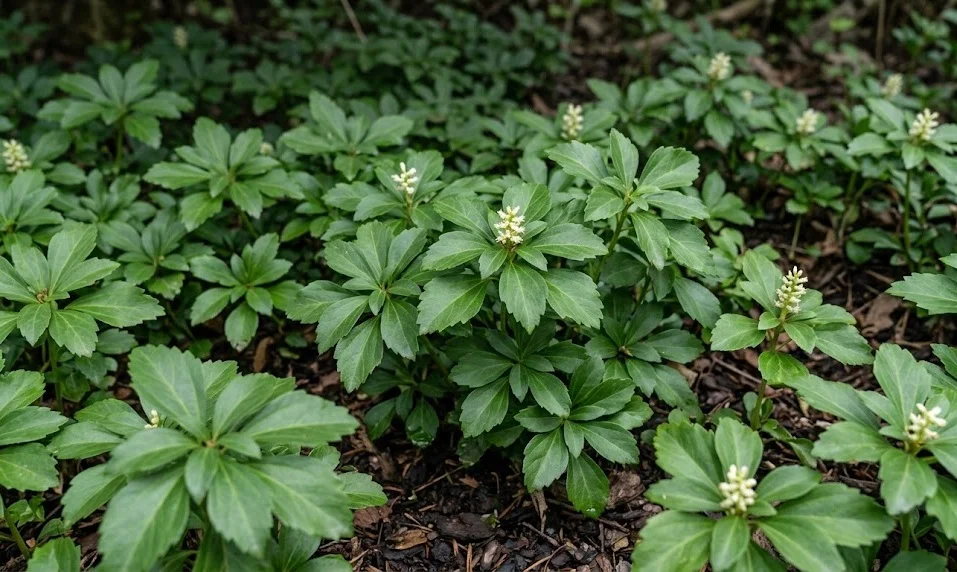

Understanding the light requirements of Japanese spurge is the single most important factor in achieving a healthy and attractive groundcover. This plant has earned a reputation as one of the best choices for deep shade, but its relationship with sunlight is more nuanced than many people realize. While it can survive in very low light levels, the quality and intensity of the light it receives will directly impact the color and density of its foliage. Providing the right lighting environment ensures that the plant remains a deep, lustrous green rather than a sickly yellow.
The ideal lighting for Japanese spurge is dappled or filtered shade, such as the light found beneath a high-canopy deciduous tree. In this environment, the plant receives enough light to power its growth without being exposed to the harsh, direct rays of the midday sun. This mimicry of its natural woodland habitat allows the plant to produce large, healthy leaves that form a dense, overlapping mat. If the light is too dim, the growth will be much slower, and the stems may become somewhat elongated or “leggy.”
Direct sunlight, especially during the peak afternoon hours, is generally the enemy of this evergreen species. The leaves are not designed to handle intense UV radiation and will quickly begin to bleach or scorch if they are not protected. You will notice the foliage turning a pale yellow or even white in areas where the sun hits it directly for more than an hour or two. This not only ruins the aesthetic appeal of the garden but also stresses the plant, making it more susceptible to pests and diseases.
Interestingly, the plant can tolerate a bit more sun in cooler climates or if the soil is kept consistently moist. However, even in these conditions, the foliage will never achieve the deep, rich green color that it develops in a shaded location. If you have a spot that gets some morning sun but is shaded in the afternoon, the spurge will likely perform quite well. The goal is always to protect the plants from the most intense heat and light of the day to maintain their ornamental value.
Managing light in different garden settings
In a mature woodland garden, managing light is often about ensuring that the shade doesn’t become too dense over time. If the overhead canopy becomes completely closed, the groundcover may start to thin out because it isn’t getting enough light to sustain its lower leaves. Periodically thinning out the branches of large trees or removing lower limbs can allow more filtered light to reach the forest floor. This small adjustment can breathe new life into an aging bed of spurge and encourage a fresh flush of growth.
More articles on this topic
For urban gardens or narrow spaces between buildings, Japanese spurge is often the perfect solution for deep, permanent shade. These areas may never see direct sunlight, yet the plant will continue to thrive where almost nothing else can. In these very dark spots, you should expect the growth to be slower, so you might want to start with a closer planting distance to achieve coverage. The leaves in deep shade are often the darkest and most beautiful, provided they have adequate air circulation and moisture.
If you are planting near the edge of a wooded area where the light levels change throughout the day, pay close attention to the exposure. North-facing edges are ideal because they provide consistent shade, while south-facing edges may be too bright for the plant’s comfort. You can use taller perennials or small shrubs to create a “curtain” of shade for the spurge if the natural protection is insufficient. Creating these layers of vegetation is a hallmark of professional landscape design and ensures the health of all the plants involved.
Seasonal changes in light must also be considered, especially in gardens with many deciduous trees. In the early spring and late autumn, when the trees are bare, the groundcover will receive significantly more light than it does in the summer. This extra light in the spring is actually beneficial as it helps the plant produce its new growth and small white flowers. By the time the summer heat arrives, the trees will have leafed out, providing the necessary protection from the intense sun.
Recognizing and correcting light-related stress
Being able to read the signs of light-related stress is a vital skill for any gardener working with shade-loving plants. If your Japanese spurge is turning a pale, sickly yellow across a large area, it is almost certainly getting too much sun. You may also see brown, crispy edges on the leaves, which is a clear indication of sunscald or leaf scorch. If these symptoms appear, you should look for ways to increase the shade in that area or consider moving the plants to a more suitable location.
More articles on this topic
On the other hand, if the plants are becoming very thin and the stems are stretching toward the nearest light source, the shade may be too deep. While the plant won’t die in deep shade, it will lose the dense, carpet-like habit that makes it so valuable as a groundcover. To correct this, you can try to “brighten” the area by using light-colored mulch or nearby white-painted walls to reflect more ambient light. If that isn’t enough, some light pruning of the overhead canopy may be the only way to restore the plant’s density.
When a nearby tree is removed or dies, the sudden increase in light can be a major shock to an established bed of spurge. The plants may appear to “melt” as the leaves scorch under the unaccustomed intensity of the sun. In these cases, you should provide temporary shade using garden fabric or umbrellas until the plants can be relocated or new shade trees can be established. Transitioning a shade-loving plant to a sunny spot is a slow process that requires a lot of extra water and careful monitoring.
Ultimately, the best way to ensure the correct light levels is to observe the site for a full day before you even begin planting. Take note of where the shadows fall at 9 AM, noon, and 4 PM to get a complete picture of the light dynamics. This professional preparation prevents expensive mistakes and ensures that your Japanese spurge will be happy in its new home from day one. A well-placed plant is a healthy plant, and in the case of this groundcover, shade is the key to success.