
Understanding the specific illumination needs of your garden plants is essential for placing them in a location where they can truly flourish. The dusky crane’s-bill is widely celebrated for its ability to tolerate and even prefer the shaded conditions that many other flowering perennials find difficult. This characteristic makes it an invaluable asset for creating interest in those darker, often neglected corners of the landscape under trees or alongside tall fences. However, “shade” is a broad term, and knowing exactly how much light this species needs to produce its best foliage and flowers is the key to professional-level gardening.
In its natural habitat, this plant is typically found growing along the edges of deciduous woodlands or in forest clearings where the light is filtered and soft. It has evolved to take advantage of the bright light available in the early spring before the tree canopy fully closes, and then thrives in the cooler shade of the summer. In a garden setting, replicating this dappled light environment will result in the most balanced and healthy growth for your specimens. While it is adaptable, placing it in deep, dark shade or in the intense, direct midday sun will often lead to less-than-ideal results.
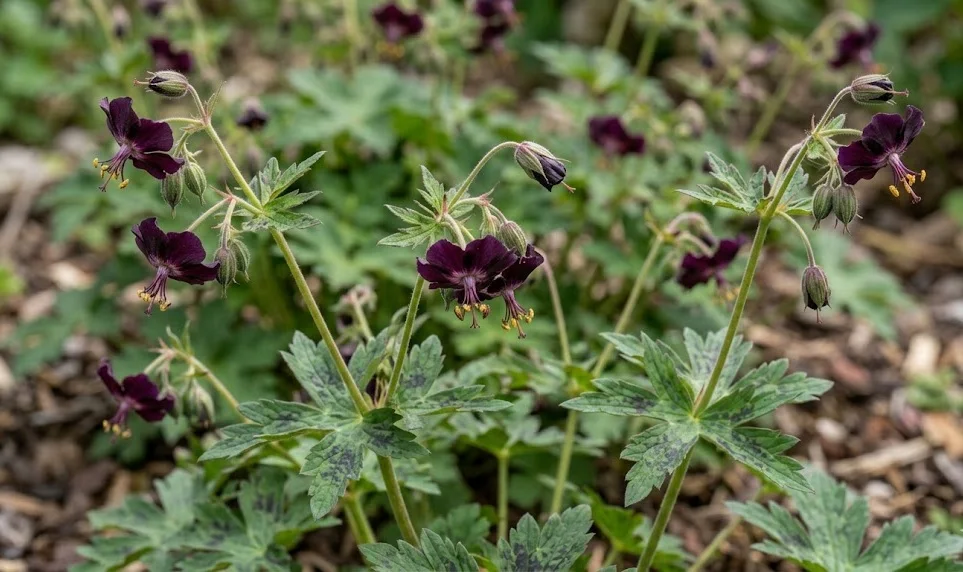
The quality of the foliage is often the most visible indicator of whether the light levels are correct for the plant’s needs. In the right amount of light, the leaves remain a vibrant green with their characteristic dark markings clearly visible and well-defined. If the light is too intense, the foliage may become pale, yellowed, or even scorched, while too much shade can result in sparse, weak growth that is prone to flopping over. By observing how your plants react to their position over the course of a full season, you can make informed decisions about their permanent placement.
Managing light is an ongoing process that may require you to adjust the surrounding environment or move the plants themselves as the garden matures. Trees grow, buildings are added, and even the intensity of the sun can change based on your geographic location and local weather patterns. A thoughtful gardener is always looking at the interplay of light and shadow, and how it affects the various microclimates within their property. With the dusky crane’s-bill, finding that perfect balance will reward you with a reliable and beautiful display year after year.
Defining the spectrum of shade
When we talk about light requirements for the dusky crane’s-bill, we are usually looking for a situation described as “partial shade” or “dappled sunlight.” Partial shade generally means an area that receives three to six hours of direct sun per day, ideally during the cooler morning or late afternoon hours. Dappled sunlight occurs when light filters through the leaves of overhead trees, creating a shifting pattern of bright and dark spots throughout the day. This environment prevents the soil from drying out too quickly and protects the delicate flowers from being bleached by the sun.
More articles on this topic
Deep or full shade refers to areas that receive less than two or three hours of direct sunlight, such as the northern side of a house or under very dense evergreen trees. While the dusky crane’s-bill can survive in these conditions, it may produce fewer flowers and the growth can become “leggy” as the plant reaches for more light. If you must plant in deep shade, you can try to brighten the area by using light-colored mulches or by thinning out some of the overhead branches to allow more light to penetrate. It is a very forgiving plant, but it does have its limits when it comes to total darkness.
Full sun, which is defined as more than six hours of direct, intense light, can be challenging for this species unless the soil is kept exceptionally moist. In regions with cooler summers, it may tolerate more sun, but in hotter climates, the afternoon sun will almost certainly cause the leaves to wilt and the flowers to fade prematurely. If you have a sunny spot that you really want to use, consider planting taller perennials or shrubs nearby to provide some afternoon relief. The key is to avoid the most intense heat and light of the day, which can stress the plant beyond its natural capacity to recover.
Morning sun is particularly beneficial because it provides the light necessary for photosynthesis while the air and soil are still relatively cool. It also helps to dry off any dew or rain from the foliage, which is an important factor in preventing fungal diseases like powdery mildew. If you are choosing between a spot with morning sun and one with afternoon sun, the morning option is almost always the better choice for this particular geranium. Understanding these nuances of light timing will help you place your plants with confidence and precision.
Adapting to changing light conditions
The light levels in any garden are never static; they change constantly with the seasons and as the landscape itself evolves over time. In the spring, before the deciduous trees have fully leafed out, the dusky crane’s-bill receives a burst of bright light that triggers its initial growth and flower production. This is a crucial time for the plant, and ensuring it has access to this early-season light will help it get off to a strong start. As the summer canopy closes, the plant naturally transitions into its more shaded, protective summer environment.
More articles on this topic
Over the years, you may find that a once-perfect spot has become too shaded as trees and shrubs grow larger and cast longer, denser shadows. If you notice your crane’s-bill is becoming less productive or more sparse, it might be time to perform some “light pruning” on the surrounding vegetation to restore the balance. Alternatively, the plant is very easy to move, so you could decide to relocate it to a slightly brighter part of the garden where it can regain its vigor. Don’t be afraid to experiment with different locations to see where the plant feels most comfortable.
Seasonal shifts also mean that the angle of the sun changes, which can drastically alter where shadows fall on your property during different times of the year. An area that is in full sun in midsummer might be in deep shade by late autumn or early spring, affecting how your perennials perform. Keeping a simple mental or written record of these patterns can be incredibly helpful when you are planning new additions or moving existing plants. A truly professional garden design takes these four-dimensional changes into account to ensure year-round health and beauty.
Even the weather can play a role in how light affects your plants, with cloudy, overcast summers providing a very different experience than bright, clear ones. During particularly cloudy years, you might find that your shaded plants perform exceptionally well because the light is more evenly distributed and the heat stress is lower. On the other hand, in very bright years, those in partial shade may need a bit of extra water to compensate for the higher light intensity. Being an observant and adaptive gardener means responding to these natural variations with care and foresight.
Using light to enhance aesthetic appeal
The way light interacts with the dusky crane’s-bill can also be used as a design tool to create specific moods and visual effects in your garden. The deep, dark petals of the flowers can almost disappear in deep shade, but they come to life when caught by a stray beam of sunlight, glowing with a rich, jewel-like intensity. By placing the plants where they will receive some backlighting in the late afternoon, you can highlight the intricate structure of the flowers and their delicate stems. This interplay of light and dark is what makes woodland gardening so enchanting and rewarding.
The foliage of the plant also reacts beautifully to light, with the dark zones on the leaves becoming more or less prominent depending on the exposure. In brighter light, the contrast between the green and the maroon markings is often sharper, creating a more dramatic look for the entire clump. In softer light, the colors may blend more subtly, lending a quieter and more restful feel to the garden bed. You can use these variations to complement other plants in your border, matching or contrasting the leaf patterns for maximum impact.
For those who enjoy evening strolls in their garden, placing the dusky crane’s-bill near lighter-colored plants can help it stand out as the daylight fades. While the dark flowers themselves may be hard to see in the twilight, the lush green leaves provide a wonderful backdrop for white flowers or variegated foliage that “pops” in low light. This technique, often called “layering for light,” ensures that your garden remains visually interesting even as the sun begins to set. It is all about how you curate the experience of the space through the strategic use of natural illumination.
Finally, consider the role of artificial light if you have a garden that you enjoy at night, as the crane’s-bill can look stunning under soft landscape lighting. Up-lighting or dappled lighting from above can emphasize the unique shape of the leaves and the nodding habit of the flower spikes. Avoid using lights that are too bright or harsh, as they can ruin the natural, tranquil feeling of a shaded garden area. With the right light—whether natural or artificial—the dusky crane’s-bill becomes a focal point that adds depth and character to your outdoor living space.
Evaluating light quality for long-term health
When assessing a potential planting site, it is important to think about the quality of the light as much as the quantity. “Reflected light” from white walls or light-colored fences can significantly increase the brightness of an otherwise shaded area, which can be both a benefit and a challenge. While it can help a plant grow in a darker corner, it can also increase the temperature and cause the soil to dry out more quickly. Be sure to account for these reflected sources of energy when you are planning your watering and maintenance schedule for that specific spot.
The presence of competition for light is another factor to consider, especially in a crowded border where taller plants might be shading out smaller ones. The dusky crane’s-bill is a moderate grower, but it can easily be overwhelmed by aggressive neighbors that block its access to the sky. Regular thinning and pruning of surrounding plants ensure that everyone in the bed gets their fair share of the available light. A well-managed border is one where each plant has the space and light it needs to fulfill its role in the overall design.
For gardeners who are truly dedicated to scientific precision, there are tools available like light meters that can give you an exact reading of the lumens or foot-candles in a particular spot. While this level of detail is rarely necessary for a home garden, it can be a fun and educational way to learn more about the microclimates on your property. Most of the time, however, simply spending time in your garden at different times of the day is the best way to understand its light patterns. Your own eyes and the health of your plants are the most reliable guides you have.
In conclusion, the light requirements of the dusky crane’s-bill are a perfect example of why it is such a versatile and beloved plant for many different types of gardens. By respecting its preference for partial shade and protecting it from extreme exposure, you ensure a long and productive life for this charming perennial. Whether you have a vast woodland estate or a small urban courtyard, mastering the use of light will elevate your gardening from a hobby to an art form. The result will be a vibrant, healthy, and beautiful landscape that brings joy in every season.