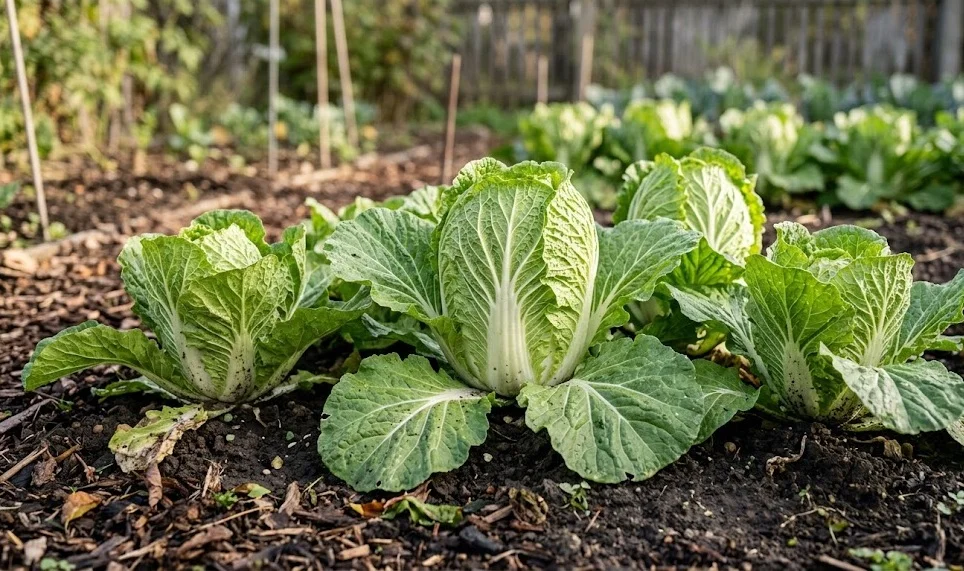

Managing water and nutrients is perhaps the most critical task for any gardener who wants to produce high-quality napa cabbage. This vegetable has a high water content and a rapid growth rate, meaning its demands are both constant and significant. Improper hydration or a lack of essential elements will immediately manifest as poor leaf quality or stunted head development. A professional approach involves consistent monitoring and a deep understanding of the plant’s internal biological processes.
Irrigation should be aimed at keeping the soil consistently moist but never waterlogged or saturated for long periods. Fluctuations in moisture levels can lead to physiological stress, which often results in the cabbage heads splitting or becoming bitter. The goal is to create a reservoir of moisture in the soil that the roots can access whenever the plant needs to cool itself. During the height of the summer, this may require daily attention to ensure the leaves do not begin to wilt.
Fertilization provides the chemical building blocks that the cabbage uses to construct its large and succulent foliage throughout the season. Nitrogen is the most important of the primary nutrients, as it directly fuels the production of chlorophyll and leaf proteins. However, phosphorus and potassium are also necessary for strong root systems and overall cellular health within the developing plant. A balanced nutritional profile ensures that the cabbage is resilient against pests and environmental stressors.
Timing your watering and feeding routines will help maximize the efficiency of your efforts and reduce the risk of wasting precious resources. Morning is generally the best time for irrigation, as it allows the foliage to dry before the cooler temperatures of the night arrive. Fertilizers should be applied when the soil is already damp to prevent concentrated salts from burning the sensitive and shallow root systems. Observing how the plants respond to these treatments will allow you to fine-tune your schedule over time.
Understanding hydration requirements
The amount of water a napa cabbage plant needs will change as it moves through its various stages of growth and development. Seedlings require frequent but light watering to keep their shallow roots hydrated without washing away the light soil. As the plant grows and develops a larger leaf surface area, its transpiration rates will increase significantly during the day. This means you will need to provide more volume to compensate for the water lost through the pores of the leaves.
More articles on this topic
Soil type plays a massive role in how often and how much you will need to irrigate your cabbage patch. Sandy soils drain very quickly and have a low water-holding capacity, requiring more frequent applications of water to keep the plants happy. Clay-rich soils hold onto moisture for much longer but can easily become compacted and anaerobic if over-watered by the gardener. Understanding the unique characteristics of your garden’s earth is the first step toward a professional irrigation strategy.
Weather conditions are the most dynamic factor influencing the hydration needs of your vegetables on a day-to-day basis. On hot, windy days, the cabbage will lose water at an incredible rate, making it essential to provide extra moisture to prevent wilting. Conversely, during cool and cloudy periods, the plants will need much less water as their internal processes slow down naturally. Always check the actual soil moisture with your finger before deciding to turn on the hose or irrigation system.
Signs of water stress are something every gardener must learn to recognize before they lead to permanent damage to the crop. Wilting in the afternoon is a common sign that the plant is losing water faster than its roots can pull it from the ground. If the leaves do not recover by the following morning, the soil is likely too dry and immediate action is required. Chronic underwatering can lead to tough, fibrous leaves and a significant reduction in the final weight of the cabbage head.
Effective irrigation methods
Drip irrigation is widely considered the gold standard for watering napa cabbage because it delivers water directly to the root zone. This method minimizes the amount of water lost to evaporation and keeps the foliage dry, which is critical for disease prevention. By providing a slow and steady drip, you ensure that the soil remains consistently moist without ever becoming completely saturated. Many professional growers use automated timers to ensure their plants receive the exact amount of water they need every single day.
More articles on this topic
Soaker hoses are a more affordable alternative to complex drip systems that still provide many of the same practical benefits. These porous hoses allow water to weep out slowly along their entire length, soaking the soil deeply over several hours of use. They are easy to install and can be hidden under a layer of mulch to further improve their efficiency and aesthetic appeal. This method is particularly effective for long rows of cabbage where uniform water distribution is essential for a consistent harvest.
Overhead watering is common in many home gardens but requires more careful management to avoid causing problems for the plants. If you must use a sprinkler, try to do it early in the morning so the sun can dry the leaves quickly during the day. Wet foliage during the night is a primary risk factor for the development of fungal and bacterial diseases on the cabbage. Additionally, overhead watering can sometimes displace soil or mulch if the water pressure is set too high for the delicate seedlings.
Hand watering remains a viable option for small garden patches where the gardener can provide individual attention to each cabbage plant. This method allows you to check the health of every plant while ensuring that the water is being applied exactly where it is needed most. However, it can be difficult to provide a truly deep soaking with just a watering can or a handheld hose nozzle. If you choose this path, be prepared to spend a significant amount of time in the garden during the hottest parts of the summer.
Organic fertilization strategies
Using compost and aged manure is the foundation of an organic fertilization program for napa cabbage and other leafy greens. These materials not only provide essential nutrients but also improve the soil’s biological activity and physical structure over time. Well-rotted compost acts as a slow-release fertilizer, providing a steady stream of nitrogen and other elements as it breaks down. Incorporating these organic amendments before planting sets the stage for a productive and healthy growing season.
Liquid seaweed and fish emulsion are excellent organic supplements that can provide a quick boost of micronutrients and growth hormones. These liquids are often used as a foliar spray or a soil drench during periods of rapid growth or environmental stress. They are particularly useful for young transplants that need a little extra help establishing their root systems in the garden. Because they are highly concentrated, they should always be diluted according to the instructions on the product label.
Green manures and cover crops can be used during the off-season to build up the nutrient levels in your garden soil naturally. Planting nitrogen-fixing crops like clover or vetch will pull nitrogen from the air and store it in the soil for future use. When these crops are tilled back into the earth, they release their stored nutrients and add valuable organic matter to the ground. This long-term strategy reduces the need for external fertilizers and promotes a more sustainable and professional gardening system.
Organic granular fertilizers are also available for those who want the convenience of a traditional product with the benefits of natural ingredients. These blends often contain bone meal, blood meal, and feather meal to provide a balanced mix of nitrogen, phosphorus, and potassium. They are typically applied as a side-dressing along the rows of cabbage once the plants have become established in the garden. Always scratch the granules into the top layer of soil and water them in thoroughly to activate the nutrients.
Mineral supplementation and balance
While organic matter is essential, some soils may require specific mineral supplements to reach the ideal balance for cabbage production. Calcium is a critical mineral that prevents physiological disorders like tipburn, which can ruin the appearance of the cabbage head. If your soil test indicates a calcium deficiency, you might consider adding agricultural lime or gypsum to the planting area. These minerals take time to become available to the plants, so they are best applied well before the growing season begins.
Magnesium is another important mineral that plays a central role in the production of chlorophyll within the leaves of the cabbage. A deficiency in magnesium often appears as yellowing between the veins of the older leaves, which can reduce the plant’s overall energy levels. Epsom salts are a common and inexpensive way to provide a quick boost of magnesium to the soil or as a foliar spray. However, you should only add magnesium if a soil test confirms that it is actually needed in your garden.
Trace elements like boron and zinc are required in very small amounts but are essential for the complex biochemical reactions inside the plant. Boron, in particular, is important for cell wall formation and the healthy development of the central stem of the cabbage. If these elements are missing, the plant may show distorted growth or develop hollow and brown centers in the stem. Most high-quality organic fertilizers and composts contain enough trace elements to satisfy the needs of the cabbage.
Maintaining the correct soil pH is vital because it directly influences the availability of all the minerals and nutrients in the ground. Napa cabbage prefers a slightly acidic to neutral pH, typically between six and seven on the standard scale. If the soil is too acidic or too alkaline, the roots will struggle to absorb even the most abundant nutrients, leading to deficiencies. Regular testing and the careful use of soil amendments will ensure that your garden remains a productive environment for years to come.
Timing and frequency of applications
The initial application of nutrients should occur during the soil preparation phase, before any seeds or transplants are placed in the ground. This provides a baseline level of fertility that the young plants can rely on as they begin to grow and expand. Using a balanced fertilizer at this stage ensures that all the necessary elements are present from the very beginning of the life cycle. Avoid over-fertilizing at this point, as young roots are sensitive to high concentrations of salts in the soil.
Side-dressing the cabbage plants once they have reached about half their final size provides a much-needed boost for the heading stage. This is the period when the plant’s demand for nitrogen and other nutrients is at its absolute peak during the season. By placing additional fertilizer near the roots, you ensure that the plant has the energy it needs to form a dense and heavy head. Be careful not to disturb the shallow roots of the cabbage while applying the fertilizer to the rows.
Foliar feeding can be performed every two to three weeks to provide a steady supply of micronutrients and growth-promoting substances. This method is particularly effective during periods of extreme heat or drought when root absorption might be limited by environmental conditions. It is best to spray the plants in the early evening so the liquid can be absorbed without evaporating too quickly in the sun. Always use a clean sprayer and ensure that you cover both the tops and bottoms of the large cabbage leaves.
As the cabbage heads reach maturity, you should gradually reduce the frequency and intensity of your fertilization efforts. Providing too much nitrogen late in the season can lead to loose heads that do not store as well after the harvest. The plant’s focus should shift from leaf production to tightening the existing structure and accumulating sugars for better flavor. Professional gardeners know that knowing when to stop is just as important as knowing when to start the feeding process.