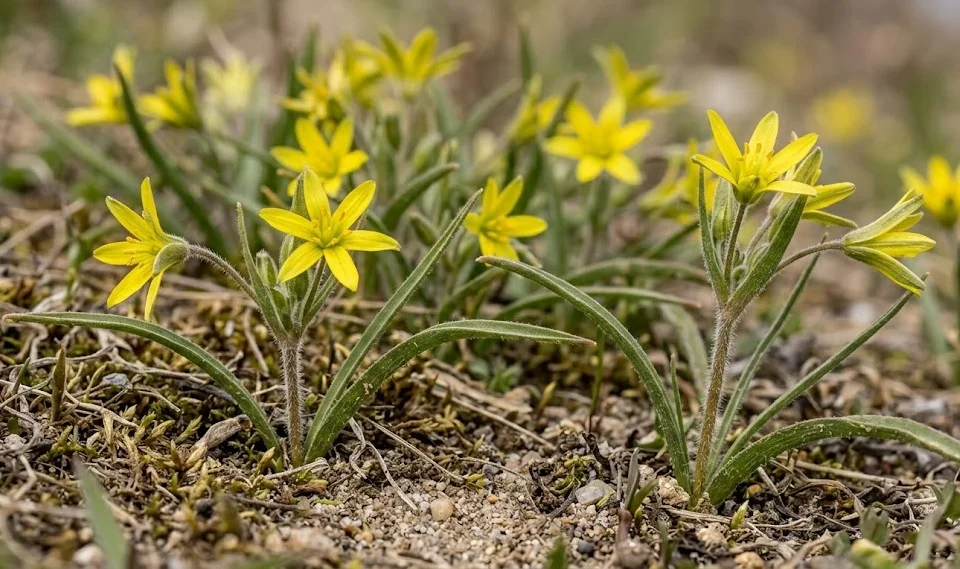

The delicate balance of moisture and nutrients is fundamental to the successful cultivation of these spring ephemerals in any professional or enthusiast’s garden. Because these plants have a very short active growing season, every drop of water and every unit of nutrient must be timed perfectly to be effective. Over-watering can be just as detrimental as drought, and improper fertilization can lead to lush foliage at the expense of the characteristic yellow flowers. A professional approach involves understanding the plant’s physiological needs during each phase of its rapid lifecycle, from early emergence to the long dormant period.
In the early spring, as the first shoots begin to break through the soil, the demand for consistent moisture is at its peak. This is the time when the plant is rapidly building its structure and preparing for the energy-intensive process of flowering. If the spring is unusually dry, supplemental watering may be necessary to ensure that the plants do not become stunted. The goal is to keep the soil evenly moist but never saturated, mimicking the damp conditions of a typical temperate spring.
As the plant transitions into its flowering phase, the focus shifts to maintaining that moisture without wetting the blooms themselves. Water should be applied directly to the base of the plants or through a drip irrigation system to minimize the risk of fungal issues on the foliage. Consistent hydration during this time helps prolong the life of the individual flowers and supports the development of seeds. Professional growers often monitor the weather closely during this period to adjust their irrigation schedules based on real-time rainfall data.
Once the flowering is finished and the plant begins to enter its dormant phase, the watering requirements change drastically. As the leaves begin to turn yellow and wither, the plant is naturally moving its resources underground into the bulb for storage. During this transition, it is important to gradually reduce the amount of water provided to the site. Over-watering during the late spring can interfere with the senescence process and may lead to the decay of the bulb in the warming soil.
Principles of early spring hydration
Watering in the early spring should always be done during the early morning hours to allow any surface moisture to evaporate before the evening. This practice is a key component of integrated pest and disease management, as it reduces the humidity around the base of the plant. If the soil surface remains wet overnight, it becomes an ideal breeding ground for slugs and various fungal pathogens. A morning drink provides the plant with the hydration it needs to face the day’s sunlight and temperature fluctuations.
More articles on this topic
The texture of the soil influences how often watering is required and how much water should be applied during each session. Sandy soils drain quickly and may need more frequent, lighter applications to keep the bulb area from drying out too much. Conversely, heavier clay soils hold moisture longer but can become compacted and anaerobic if too much water is applied at once. Understanding your specific soil type is the first step in developing a professional irrigation plan that meets the plant’s needs without causing harm.
Using collected rainwater is often the best choice for watering these sensitive species, as it is free from the chlorine and minerals found in municipal water. The slightly acidic nature of rainwater is also more aligned with the natural preferences of many bulbous plants found in meadow or woodland settings. If rainwater is not available, allowing tap water to sit in an open container for twenty-four hours can help some of the additives dissipate. This small step can make a significant difference in the long-term health of the soil and the plants.
Deep watering is generally more effective than frequent shallow sprays, as it encourages the roots to grow deeper into the soil profile. This creates a more resilient plant that is better able to withstand short periods of dry weather or unexpected temperature spikes. When watering, aim to soak the soil to a depth of at least ten to fifteen centimeters where the primary root zone is located. This method ensures that the entire bulb is surrounded by a consistent level of moisture, promoting healthy and uniform growth across the colony.
Managing moisture during dormancy
The dormant period, which spans from late spring through the entire summer, is a time of rest for the bulbs beneath the soil. During this stage, the plants require very little, if any, supplemental water from the gardener. In fact, many professional growers recommend keeping the area quite dry during the hottest months to mimic the natural summer drought of their native habitats. Excessive moisture during dormancy is the leading cause of bulb rot, which can wipe out an entire colony in a single season.
More articles on this topic
If the bulbs are planted in a mixed border with other plants that require regular summer watering, special care must be taken. It is often helpful to plant the star-of-Bethlehem in a slightly raised area or to ensure that the drainage in that specific spot is exceptionally good. This allows the surrounding perennials to get the water they need while the dormant bulbs remain relatively dry in their micro-environment. Strategic placement is a hallmark of professional garden design when dealing with plants that have conflicting seasonal requirements.
In regions with very high summer rainfall, it may be necessary to provide some form of physical protection to keep the soil from becoming waterlogged. A thin layer of gravel mulch can help shed excess water away from the center of the bulb colony while still allowing the soil to breathe. Alternatively, some gardeners use temporary covers during extreme weather events to ensure that the dormant bulbs do not sit in standing water. These proactive measures are essential for preserving the health of the collection over many years.
As the weather begins to cool in the late autumn and the first rains of the new season arrive, the bulbs will slowly begin to wake up. This natural increase in soil moisture is the signal for the roots to start growing again in preparation for the upcoming spring. At this stage, there is usually no need for the gardener to intervene, as the natural rainfall is typically sufficient. The cycle of summer dryness followed by autumn moisture is a critical part of the plant’s biological rhythm that should be respected.
Nutritional requirements and fertilization
Fertilizing this species requires a light touch, as they are adapted to growing in soils that are naturally rich but not overly saturated with minerals. The primary goal of fertilization is to support the bulb’s energy storage rather than to force unnaturally large growth in the foliage. A balanced, slow-release fertilizer with a slightly higher phosphorus content is often the best choice for supporting bulb health and flower production. High-nitrogen fertilizers should be avoided, as they can lead to weak, floppy leaves that are more susceptible to disease.
The best time to apply nutrients is in the early spring, just as the first green tips are emerging from the soil surface. Applying a liquid fertilizer at this stage ensures that the nutrients are immediately available to the plant during its most active period of growth. This early boost helps the plant build the strength it needs to produce vibrant flowers and healthy seeds. A second, very light application can be made just after the flowering has finished to help the bulb recover its energy reserves.
Organic amendments, such as well-aged compost or leaf mold, are often superior to synthetic fertilizers for long-term soil health. These materials not only provide a steady supply of nutrients but also improve the soil’s structure and its ability to hold the right amount of moisture. Spreading a thin layer of compost over the planting area in the autumn allows the winter rains to wash the nutrients down to the root zone. This “top-dressing” method mimics the natural recycling of nutrients that occurs on a forest floor or in a healthy meadow.
Over-fertilization can lead to a buildup of salts in the soil, which can eventually damage the delicate root systems of the bulbs. If you notice that the tips of the leaves are turning brown or that the plants seem to be struggling despite having plenty of food, it may be a sign of nutrient toxicity. It is always better to under-fertilize than to overdo it, as these plants are quite efficient at gathering what they need from the soil. Professionalism in gardening involves knowing when to provide support and when to let nature take its course.
Soil testing and nutrient balance
Before embarking on a regular fertilization program, it is highly recommended to perform a comprehensive soil test of the planting area. This test will reveal the existing levels of essential nutrients and the soil’s pH, which significantly affects how well the plants can absorb those nutrients. Most bulbous plants prefer a soil pH that is close to neutral, although they can tolerate a slight range on either side. Knowing your starting point allows you to make informed decisions about which amendments are truly necessary for your specific site.
Micro-nutrients, such as iron, magnesium, and zinc, play a vital role in the overall health and metabolic processes of the plant. While these are required in only tiny amounts, a deficiency in any one of them can cause noticeable issues like leaf chlorosis or stunted growth. Many high-quality organic fertilizers include a range of these trace elements to ensure a complete nutritional profile for the plants. If a soil test reveals a specific deficiency, targeted supplements can be added to correct the balance without overwhelming the soil with unnecessary minerals.
The relationship between soil moisture and nutrient availability is a complex one that every professional gardener should understand. Nutrients can only be taken up by the roots when they are dissolved in water, meaning that fertilization and irrigation are inherently linked. If the soil is too dry, the plants cannot access the food that is available to them, leading to nutritional stress. Conversely, excessive watering can leach soluble nutrients out of the root zone and into the groundwater, making them unavailable to the plants and potentially causing environmental issues.
Maintaining a healthy population of soil microorganisms is also essential for a balanced and effective nutrient cycle in the garden. These tiny organisms break down organic matter and convert it into forms that the plant roots can easily absorb. Avoiding the use of harsh fungicides and chemical pesticides helps protect these beneficial microbes and supports a more resilient ecosystem. A living, vibrant soil is the best foundation for the long-term health and vigor of the hairy star-of-Bethlehem and its companions.
Timing and application methods
The method of application is just as important as the type of fertilizer used when it comes to protecting the health of the bulbs. Liquid fertilizers should be diluted according to the manufacturer’s instructions and applied carefully to the soil around the base of the plants. Avoid getting concentrated fertilizer on the foliage, as this can cause chemical burns that weaken the plant’s ability to photosynthesize. Using a watering can with a fine rose allows for a gentle and even distribution of the nutrient solution across the entire planting area.
Granular fertilizers can also be effective, provided they are worked lightly into the surface of the soil and then watered in thoroughly. It is important not to let these granules sit directly against the stems or the bulbs, as they can cause localized damage as they dissolve. Many professionals prefer to apply granules in the late autumn so that they have time to break down and integrate with the soil before the spring growth begins. This slow-release approach provides a consistent supply of nutrients that matches the plant’s natural pace.
For naturalized colonies growing in grass, fertilization can be a bit more challenging, as the grass will compete for any nutrients that are applied. In these situations, using a liquid fertilizer that can quickly reach the root zone of the bulbs is often the most effective strategy. Some gardeners also use specialized “bulb spikes” that can be pushed into the ground near the clusters to provide a targeted source of food. Whichever method is chosen, the goal remains the same: to support the bulb’s long-term health without disrupting the surrounding environment.
Finally, always observe the plants’ response to your fertilization efforts and be prepared to adjust your strategy in the following seasons. If the plants are thriving, producing plenty of flowers, and increasing in number, your current program is likely working well. However, if growth seems excessive or if flowering declines, it may be time to reconsider the frequency or type of nutrients you are providing. A professional’s greatest tool is their ability to read the signs given by the plants and to respond with thoughtful, expert care.