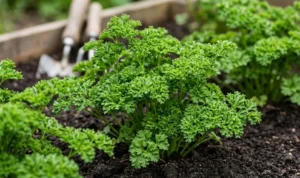
As the temperatures begin to drop and the first frosts of autumn arrive, the chameleon plant prepares for its period of winter dormancy. In most temperate climates, this species is quite hardy and can survive the cold months without much intervention from the gardener. The colorful foliage will eventually die back to the ground, leaving the root system safely tucked away beneath the soil surface. Understanding this natural cycle is the first step toward successful professional overwintering for your garden display.
You may notice that the vibrant colors of the leaves become even more intense as the weather cools, before they eventually turn brown and wither. This is a normal part of the plant’s preparation for winter, as it moves its energy from the leaves down into the underground rhizomes. You should resist the urge to cut the plant back too early, as the dying foliage can provide a bit of natural insulation for the crown. Taking a patient and professional approach to autumn cleanup will benefit the plant’s health in the long run.
In regions with very severe winters, the chameleon plant is usually safe as long as the ground does not freeze deeply for extended periods. The rhizomes are surprisingly tough and can withstand cold temperatures that would kill many other ornamental groundcovers. If you are concerned about a particularly harsh winter, you can always provide a bit of extra protection to ensure the roots stay healthy. Preparing your garden for the cold season is a key task for any serious and professional horticulturalist.
When spring finally arrives, you will be rewarded with fresh, new shoots emerging from the soil as the plant wakes up from its slumber. This cycle of growth and dormancy is what allows the chameleon plant to be such a long-lived and reliable feature in the landscape. By providing the right care during the winter months, you ensure that the plant has the energy it needs for another season of vibrant growth. Successful overwintering is about working with the plant’s natural biology to ensure its continued vitality.
Providing extra protection in cold climates
If you live in an area where the temperatures frequently drop well below freezing, a layer of mulch can provide essential insulation for the roots. You should apply a three to four-inch layer of organic material, such as straw, shredded leaves, or wood chips, over the planting area. This layer acts like a blanket, keeping the soil temperature more stable and preventing the ground from freezing and thawing repeatedly. Professional mulching is one of the most effective ways to protect your plants during the coldest months of the year.
More articles on this topic
You should wait until the ground has started to cool down but before it has frozen solid to apply your winter mulch. Applying it too early can trap heat in the soil and encourage the plant to stay active longer than it should. The goal is to help the plant enter a deep and stable dormancy that will protect it from the worst of the winter weather. A well-timed application of mulch is a sign of a gardener who understands the rhythms of the seasons.
In addition to mulching, you can also use temporary covers like frost blankets if a particularly extreme cold snap is predicted for your area. These covers should be placed over the plants in the evening and removed during the day if the temperatures rise above freezing. While the chameleon plant is hardy, these extra measures can provide peace of mind during record-breaking winters. Professional care is all about being prepared for the unexpected and taking steps to mitigate potential risks.
If you are growing the plant in an exposed or windy location, a simple windbreak can also help prevent the soil from drying out too much. Winter winds can be very dehydrating, and even dormant roots need a bit of moisture to stay healthy until spring. You can use burlap or even a few well-placed evergreen branches to provide a bit of shelter for the planting bed. These small adjustments can make a significant difference in how well your plants survive a challenging winter season.
Managing container plants during winter
Overwintering chameleon plants that are grown in containers requires a bit more care than those planted directly in the ground. Because pots are exposed to the cold air on all sides, the soil inside can freeze much faster and more deeply than the earth. If you live in a cold climate, you should consider moving your containers to a more sheltered spot, such as against a south-facing wall or into an unheated garage. This professional strategy helps to buffer the plants against the most extreme temperature fluctuations.
More articles on this topic
Another option for protecting container plants is to wrap the pots themselves in insulating materials like bubble wrap or burlap. You can also group several pots together and surround them with a thick layer of mulch or straw to create a communal insulation system. This reduces the surface area exposed to the cold and helps keep the root balls from freezing solid. Managing container gardens in the winter is an active process that requires regular monitoring of the weather.
You should also check the moisture levels of your container plants occasionally, even during their dormant period. While they won’t need nearly as much water as they do in the summer, the soil should not be allowed to become bone-dry. A small amount of water on a day when the temperatures are above freezing can help keep the rhizomes hydrated and healthy. A professional gardener knows that dormancy does not mean the plant can be completely forgotten until the spring.
If you have the space, you can also bury the entire container in a vacant spot in your garden for the duration of the winter. This uses the natural insulation of the ground to protect the roots just as if they were planted directly in the soil. In the spring, you can simply dig up the pot, clean it off, and place it back in its original location. This clever technique is a favorite among professionals who want to ensure the survival of their prized container specimens.
Preparing for the spring awakening
As the days begin to lengthen and the soil starts to warm up, it is time to start preparing your chameleon plant for its spring growth. You should gradually remove any winter mulch or covers to allow the sun to reach the soil surface and wake up the roots. Be careful not to do this too early, as a late spring frost can still damage the tender new shoots that are just starting to emerge. Professional timing is essential during this transition period to ensure the health of the new foliage.
Once the new growth is clearly visible, you can carefully trim away any of last year’s dead stems that were left for winter protection. This cleans up the appearance of the garden and makes room for the fresh, multicolored leaves to take center stage. You should also take this opportunity to inspect the plant for any signs of winter damage or pests that might have overwintered in the debris. A thorough spring cleaning sets the foundation for a successful and vibrant growing season.
If you find that some sections of the plant did not survive the winter, don’t be discouraged, as the remaining rhizomes will likely fill in the gaps quickly. You can also use this time to divide the plant and move sections to other parts of your garden if you want to expand your display. The energy and vigor of the spring growth are truly impressive and show the resilience of this fascinating species. Professional management involves working with this natural surge of energy to achieve your garden goals.
Finally, a light application of a balanced fertilizer can help give the plants the nutrients they need to start the season strong. You should water the area well after fertilizing to help the nutrients reach the roots where they are needed most. The transition from winter dormancy to spring growth is one of the most exciting times in the garden, and your professional care will ensure it goes smoothly. Your dedication throughout the year will be rewarded with a spectacular show of color all summer long.