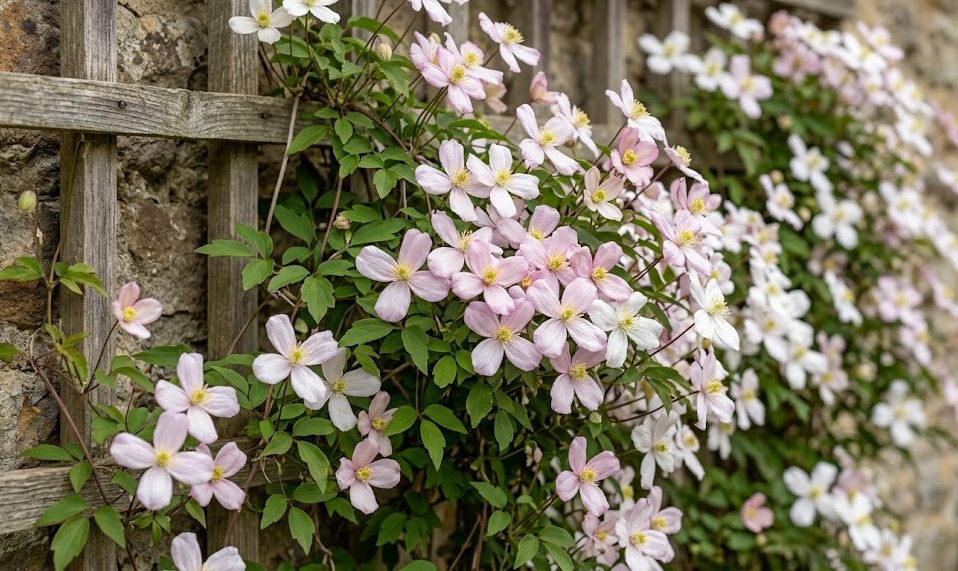

Preparing mountain clematis for the cold winter months is an essential task for any gardener who wants to ensure a spectacular spring display. While this species is known for its hardiness in temperate climates, extreme cold or fluctuating temperatures can still pose a threat to its overall health. A well-thought-out wintering strategy involves a combination of structural protection, soil management, and a bit of seasonal foresight. By taking a few proactive steps in the autumn, you can rest easy knowing your climber is safe and ready for the next growing season.
The primary goal of wintering is to protect the plant’s structural integrity and the dormant flower buds that have already formed on the previous year’s wood. Unlike some other clematis varieties, mountain clematis blooms on “old wood,” meaning any winter damage to the stems will directly reduce the number of flowers in the spring. This makes the prevention of stem splitting and bud desiccation a top priority during the dormant period. Understanding the local climate and the specific vulnerabilities of your garden site will help you determine the level of protection required.
As the leaves begin to drop and the plant enters its rest phase, the overall volume of the vine can become a liability during winter storms. The heavy weight of snow or the pressure of strong winds can easily snap branches or pull down even a sturdy trellis. Performing a light tidy-up in late autumn to remove any loose or excessively long shoots can help reduce this risk significantly. This is not the time for a major pruning, but rather a strategic thinning to make the plant more aerodynamic and resilient to the elements.
Inspecting the main trunk and the attachment points to the support structure is another vital pre-winter task for the professional gardener. As the plant ages, the main stems become thicker and woodier, which can lead to friction against wires or fences as they move in the wind. Ensuring that all ties are secure but not constricting allows the plant to sway without causing self-inflicted damage. A bit of extra attention to these mechanical details can prevent a catastrophic failure of the support system during a winter gale.
Soil protection and mulching
The root system of the mountain clematis is its most valuable asset, and protecting it from the deep freeze is a critical part of winter care. A thick layer of organic mulch applied in late autumn serves as a thermal blanket that moderates the soil temperature and prevents rapid freezing and thawing. This layer should be approximately five to ten centimeters thick and extend at least thirty centimeters out from the main stem. Materials like well-rotted leaf mold, compost, or bark chips are excellent choices for this purpose.
More articles on this topic
In addition to temperature regulation, this winter mulch layer helps to retain moisture in the soil, which is surprisingly important even during the dormant season. Cold winter winds can have a powerful dehydrating effect on the plant, and having a reservoir of moisture at the roots helps the stems stay hydrated. It is a common misconception that dormant plants do not need water; while they don’t need much, bone-dry soil in winter can be a death sentence. The mulch ensures that whatever moisture is in the ground stays there for the plant’s benefit.
For gardeners in particularly cold regions, adding a temporary layer of straw or evergreen boughs over the mulch can provide even more insulation. This “heeling in” technique is especially useful for young plants that have not yet developed the thick, corky bark of a mature vine. The extra layer traps air and provides a more stable microclimate around the base of the plant where it is most vulnerable. This additional step is a small investment of time that can pay off with a much higher survival rate for new additions to the garden.
Always remember to keep the mulching material a few centimeters away from the actual stem of the clematis to prevent moisture-induced rot. While we want to keep the roots warm and moist, the crown and the lower stems need to stay relatively dry to avoid issues with fungal pathogens. This “doughnut” shape for the mulch is a professional technique that maximizes the benefits while minimizing the potential risks. Proper mulching is truly the foundation of a successful wintering strategy for any woody climber.
Protecting the dormant stems
The long, sprawling stems of a mountain clematis are the pathways for next year’s growth and must be shielded from the harshest winter weather. In very exposed locations, the combination of sub-zero temperatures and high winds can lead to “wind scorch,” where the stems dry out and die back. If your plant is positioned on a particularly windy wall, providing a temporary screen of burlap or garden fleece can offer essential protection. This breathable material breaks the force of the wind while still allowing for air circulation and light.
More articles on this topic
Freezing rain and ice storms are another winter hazard that can cause significant physical damage to the vine. The weight of ice can be immense, causing stems to bend and crack, which creates entry points for diseases in the spring. If an ice storm occurs, it is best to leave the plant alone rather than trying to knock the ice off, which often causes more damage. Once the thaw begins, you can then inspect the plant and carefully prune back any stems that were clearly broken by the weight.
For container-grown mountain clematis, the wintering challenge is even greater because the roots are much more exposed to the cold than those in the ground. Moving the pots to a sheltered spot, such as against a house wall or into a cold greenhouse, can provide a significant temperature boost. You can also wrap the pots themselves in bubble wrap or burlap to provide an extra layer of insulation for the root ball. This prevents the pot from freezing solid, which is the most common cause of death for containerized climbers in the winter.
Another professional tip for container plants is to elevate the pots on “pot feet” or bricks to ensure that the drainage holes do not freeze shut. If water cannot escape the pot, it can turn into a block of ice that expands and cracks the container or damages the roots. Good drainage is just as important in winter as it is in summer, perhaps even more so when the plant is not actively taking up water. Keeping the pots off the cold, wet ground is a simple but highly effective way to improve winter survival.
Preparing for the spring awakening
As the days begin to lengthen and the first signs of spring appear, the wintering process shifts toward a gradual transition back to growth. It is important not to be too hasty in removing winter protection, as late spring frosts can be particularly damaging to newly swelling buds. Wait until the most severe weather has passed and the soil begins to warm up before you start clearing away the extra layers of straw or fleece. This cautious approach ensures that the plant is not caught off guard by a sudden return to winter conditions.
Once the protective layers are removed, take the opportunity to perform a thorough inspection of the entire vine for any signs of winter dieback. Stems that are brittle and show no signs of green when scratched with a fingernail are likely dead and should be pruned away. This clean-up process helps the plant focus its energy on the healthy parts and prevents the growth of molds on dead wood. It also gives you a clear view of the structure so you can decide if any minor adjustments to the training are needed.
Refreshing the mulch layer in early spring is the final step in the wintering cycle and the first step in the new growing season. Scrape away any old, compacted mulch and replace it with a fresh layer of nutrient-rich compost. This provides a slow-release source of food just as the roots are starting to become active and need the extra energy. It also resets the moisture-retention system for the coming summer, ensuring the plant has the best possible start.
Finally, keep a close eye on the weather forecast during the early spring weeks when the new shoots are at their most tender. If a sharp frost is predicted after the plant has started growing, it is worth throwing a temporary piece of fleece over the lower parts of the vine. This simple act can save the first flush of leaves and flowers from being scorched by the cold. Being attentive during this transition period is what separates a good gardener from a great one and ensures a spectacular mountain clematis display.