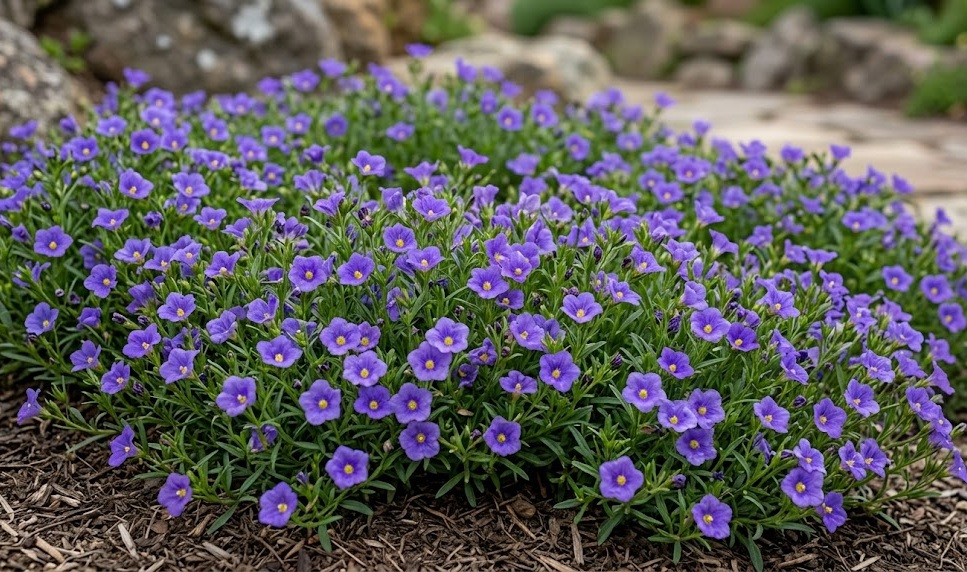

Strategic pruning and cutting back are essential professional techniques used to maintain the shape and productivity of the cupflower. These actions encourage the plant to produce a continuous supply of new growth and flowers rather than focusing on seed development. By understanding when and how to intervene, you can significantly extend the ornamental season and keep the plants looking their best. A professional approach to pruning is both a science and an art that requires a clear goal for every cut made.
Deadheading, the process of removing spent flowers, is the most frequent and important pruning task for this species. When the old blossoms are allowed to stay on the plant, they will naturally begin to form seeds, which consumes a vast amount of the plant’s energy. By removing them promptly, you signal the plant to continue producing more of the beautiful cup-shaped flowers we desire. A professional makes this a regular part of their weekly maintenance routine to ensure a never-ending display of color.
The technique for deadheading involves more than just pulling off the old petals; you should cut back to the first set of healthy leaves below the flower. This ensures that the remaining stem is tidy and that new buds have a clear path to emerge and grow. Using a sharp pair of micro-snips or garden scissors is the professional way to make clean, precise cuts that heal quickly. Avoiding tearing or bruising the stems is important for preventing the entry of pathogens into the plant’s vascular system.
Regular deadheading also has the added benefit of keeping the plant’s foliage clean and free of decaying organic matter. Old flowers that fall onto the leaves can sometimes trap moisture and encourage the development of gray mold or other fungal issues. A professional gardener understands that a “clean” plant is a healthy plant that is much more resistant to environmental stressors. This simple habit is the foundation of a high-quality floral display that remains vibrant from early summer until frost.
Structural pruning and shaping
As the season progresses, some varieties of cupflower may become a bit leggy or overgrown, particularly if the light levels are not optimal. A light “haircut” or structural pruning can help restore a compact and bushy shape to the plant. This involves cutting back the longest stems by about a third to encourage lateral branching from the base. A professional performs this task mid-season to rejuvenate the specimen and prepare it for a second flush of heavy blooming.
More articles on this topic
When shaping the plant, it is important to consider its natural growth habit and how it fits into the surrounding garden landscape. For ground covers, you may want to focus on encouraging outward spread while maintaining a consistent height across the entire bed. If the plant is in a container or trailing over a wall, you might prune it to create a more dramatic and cascading effect. Professional pruning is always done with the final aesthetic goal in mind, tailoring the plant to its specific role in the garden.
Removing any damaged or diseased stems as soon as they are noticed is a vital part of professional plant hygiene and health. Stems that have been broken by wind or animals can become a point of entry for pests if they are not cleaned up properly. Cutting these back to healthy tissue allows the plant to seal the wound and focus its energy on new, productive growth. A professional is always vigilant and ready to take corrective action to protect the overall integrity of the plant.
Thinning out the center of very dense clumps can also be beneficial to improve air circulation and light penetration to the inner leaves. Overcrowded foliage can become a breeding ground for insects that prefer the sheltered and humid environment inside the plant. By carefully removing a few of the older or more crowded stems, you create a healthier and more resilient specimen. This professional attention to the internal structure of the plant is what prevents many common late-season issues.
End of season cutback and preparation
As the cold weather of autumn arrives and the blooming finally slows down, a more significant cutback is often required. For plants that will be overwintered in the ground, cutting them back to a few inches above the soil level helps prepare them for dormancy. This removes the old, spent foliage that could otherwise harbor pests or diseases throughout the winter months. A professional waits until after the first light frost has occurred to ensure the plant has finished moving its energy into the roots.
More articles on this topic
This major pruning also provides an excellent opportunity to inspect the crown of the plant for any signs of rot or physical damage. Ensuring that the remaining stem stubs are healthy and firm is a good indicator of the plant’s overall chance of winter survival. You should also clear away any debris or weeds from the base of the plant during this time to create a clean environment for the winter mulch. This professional “closing” of the garden season sets the stage for a successful and rapid return in the spring.
For those keeping their cupflowers in containers, the end-of-season pruning may be slightly different depending on where they will be stored. If they are going into a dark, cool garage, they can be cut back quite hard to minimize the space they require. However, if they will be kept in a bright sunroom, a more moderate pruning may be better to allow for some continued, low-level growth. A professional adjusts their technique based on the specific overwintering conditions the plant will experience.
Finally, always ensure that your pruning tools are sharp and properly sanitized before and after use on your plants. Dull blades can crush the stems rather than cutting them, leading to slower healing and a higher risk of infection. Wiping the blades with alcohol between different plants is a professional habit that prevents the spread of viral and bacterial issues. With a disciplined and professional approach to pruning, your cupflowers will remain a healthy and beautiful highlight of your garden for many years.