
Caring for lilyturf requires a nuanced understanding of its resilient yet specific growth habits to ensure a lush garden display. This evergreen perennial serves as a versatile groundcover that can withstand a variety of environmental stressors if the basic needs are met. Professional gardeners value this species for its ability to bridge the gap between ornamental beauty and functional durability. Maintaining its health involves consistent monitoring of soil conditions and foliage appearance throughout the changing seasons.
Ongoing maintenance starts with observing the leaf tips for any signs of browning or environmental stress. While the plant is notoriously tough, it benefits significantly from a watchful eye that catches issues before they escalate. A healthy specimen will exhibit vibrant, dark green foliage that arches gracefully toward the ground in a dense clump. By establishing a routine checkup, you can ensure the plant remains a highlight of your landscape design.
The surrounding environment plays a crucial role in how much attention the plant will require from the gardener. In regions with high humidity, airflow becomes a critical factor in preventing moisture-related issues within the dense foliage. Conversely, in drier climates, the focus shifts toward maintaining enough soil moisture to prevent the leaves from losing their luster. Adjusting your care strategies based on local microclimates is the hallmark of an expert horticultural approach.
General upkeep also involves keeping the area around the base of the plant clear of debris and excessive leaf litter. Organic matter that builds up too thickly can trap unwanted moisture and lead to crown issues over time. Regularly clearing away dead material allows the plant to breathe and reduces the hiding spots for opportunistic garden pests. This simple mechanical task is one of the most effective ways to promote long-term vitality.
Understanding general maintenance
The primary goal of maintenance is to support the natural growth cycle of the plant while preserving its aesthetic value. This involves a combination of cleaning, monitoring, and occasional intervention to correct growth patterns. Since the plant is a slow-growing perennial, the results of good care are often seen over months rather than days. Patience is a key virtue when managing the health of these clump-forming grasses.
More articles on this topic
Foliage quality is the most visible indicator of whether your maintenance routine is succeeding or failing. If the leaves appear dull or start to yellow, it often points to a mismatch in light or soil nutrients. Experts often recommend taking a soil sample if the plant fails to thrive despite proper watering and light. Understanding the chemistry of the ground allows for more precise adjustments in the care routine.
Cleanliness within the garden bed helps to prevent the spread of localized diseases between different plant groups. When working with lilyturf, ensure that your tools are cleaned between different sections of the garden to maintain hygiene. This prevents the accidental transfer of fungal spores that might be lingering on the surface of the soil. Professional standards in tool maintenance directly correlate to the overall health of the entire landscape.
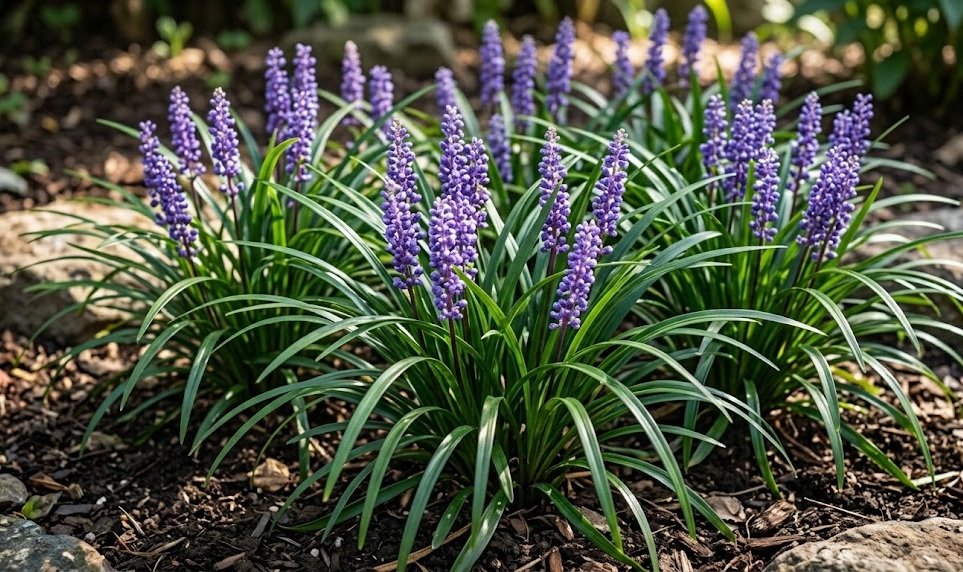
Observation of the flowering period is another essential part of the general maintenance cycle. The purple spikes appear in late summer and provide a beautiful contrast to the deep green leaves. Once these flowers fade, you should decide whether to leave the berries for visual interest or remove them. Removing spent spikes can sometimes help the plant redirect its energy back into root development and foliage strength.
Soil and environmental factors
The foundation of a healthy plant always lies within the quality and structure of the underlying soil. Lilyturf prefers a well-draining medium that is rich in organic matter to support its dense root system. While it can tolerate clay or sandy soils, it will not reach its full potential in compacted ground. Loosening the soil before the growing season can help with oxygen penetration to the lower root levels.
More articles on this topic
Acidity levels in the soil should ideally stay within the slightly acidic to neutral range for optimal nutrient uptake. If the soil becomes too alkaline, the plant may struggle to process essential minerals like iron, leading to chlorosis. Regular testing of the pH levels is a professional habit that prevents long-term health decline. Adding sulfur or peat moss can help lower the pH if your garden soil is naturally too high.
The structure of the ground also affects how water moves through the root zone during heavy rain events. Poor drainage is one of the few things that can truly threaten the survival of this hardy perennial. Creating slight elevations or mounds can help move excess water away from the sensitive crown area. This environmental adjustment is particularly important in areas prone to seasonal flooding or heavy spring rains.
Organic amendments such as compost or well-rotted manure can drastically improve soil performance over time. These materials not only provide a slow release of nutrients but also improve the soil’s ability to hold moisture. Mixing these into the top few inches of the soil around the plant provides a natural boost. This mimicry of the forest floor creates an environment where the plant feels most at home.
Seasonal aesthetics
Managing the appearance of lilyturf changes as the calendar moves from the heat of summer to the chill of winter. During the peak growing season, the focus is on maintaining the deep green color and upright posture of the leaves. High temperatures can sometimes cause the plant to look slightly wilted, but it usually recovers once the sun sets. Keeping the plant hydrated during these peaks is essential for maintaining its decorative function.
As autumn approaches, the plant begins to produce dark, berry-like fruits that follow the summer flowers. These berries provide late-season interest and are often sought after by local bird populations for food. Deciding to keep these berries adds a rustic, natural feel to the garden during the transition months. However, if a tidier look is preferred, they can be removed without harming the plant’s health.
Winter aesthetics can be a challenge because the foliage remains on the plant even in freezing temperatures. In milder winters, the leaves stay green, providing much-needed color to a dormant and brown landscape. However, harsh winds and ice can cause the tips of the leaves to turn brown or tattered. This is a natural occurrence and should not cause alarm for the experienced gardener.
When spring arrives, the plant is ready for a fresh start and a complete visual overhaul. This is the time when the old, weathered leaves are removed to make way for the bright new growth. Seeing the vibrant green shoots emerge from the center of the crown is a rewarding experience. This seasonal cycle ensures that the plant looks its best during the months when the garden is most used.
Mulching strategies
Mulching is a vital professional technique that provides a protective layer between the atmosphere and the soil. For lilyturf, a layer of bark or shredded leaves helps to regulate the temperature of the root zone. This prevents the soil from heating up too much in the summer and freezing too deeply in the winter. A consistent temperature leads to more stable and predictable growth patterns for the plant.
The depth of the mulch layer must be managed carefully to avoid burying the crown of the plant. A layer that is too thick can hold too much moisture against the base, leading to potential rot issues. Aim for a thickness of about two to three inches, keeping it a few inches away from the stems. This “donut” method of mulching is a standard practice among professional landscapers and arborists.
Choosing the right type of mulch can also contribute to the long-term nutrient profile of the garden bed. Organic mulches eventually break down and feed the soil, reducing the need for intensive chemical fertilization. Wood chips or pine needles are excellent choices as they decompose slowly and provide a nice texture. Avoid using dyed mulches that might contain chemicals harmful to the sensitive micro-organisms in the soil.
Mulch also serves as a visual frame that highlights the texture and color of the lilyturf foliage. A dark, uniform mulch background makes the green leaves and purple flowers stand out more prominently. This aesthetic benefit is secondary to the health benefits but is equally important for high-end landscape design. Renewing the mulch layer once a year ensures that these benefits are maintained throughout the life of the garden.
Weed management
In a professional landscape, weeds are not just an eyesore but also competitors for precious resources. Lilyturf is excellent at suppressing weeds once it forms a dense, continuous carpet of foliage. However, during the establishment phase, you must be diligent about removing any unwanted growth. Weeds can quickly overshadow young plants and steal the water and nitrogen they need to thrive.
Manual removal of weeds is often the safest method when working closely around the sensitive crowns of the plants. Using small hand tools allows you to get under the weed roots without disturbing the lilyturf’s root system. It is best to perform this task when the soil is slightly moist, as the weeds will come out more easily. Consistently removing weeds before they go to seed will significantly reduce the workload over time.
Pre-emergent herbicides can be used in larger installations where manual weeding is not practical for the staff. These products prevent weed seeds from germinating in the first place, saving hours of labor later in the season. Always follow the manufacturer’s instructions to ensure the chemicals do not negatively impact the ornamental plants. Professional applicators often time these treatments to coincide with the early spring warming of the soil.
Once the lilyturf has fully filled in the allotted space, weed pressure will naturally decrease. The dense shade created by the overhanging leaves makes it difficult for most weed seeds to find enough light. This living mulch effect is one of the primary reasons why professionals choose this plant for low-maintenance areas. Achieving this state of “clump closure” should be the ultimate goal of your weed management strategy.
Rejuvenation techniques
Every few years, even the best-maintained lilyturf may start to look a bit tired or overcrowded in its space. Rejuvenation involves more intensive practices designed to stimulate fresh growth and restore the plant’s vigor. This can include thinning out older clumps or performing a very hard cutback in the early spring. These actions mimic natural disturbances that trigger a defensive growth response in the plant.
Thinning involves removing some of the older, less productive sections of a large clump to allow for better air circulation. This process also provides an opportunity to inspect the center of the plant for any signs of disease or pests. By reducing the density, you allow light to reach the interior parts of the plant that have been shaded for years. The result is a more balanced and healthy-looking specimen that continues to grow actively.
If a plant has become completely unsightly due to winter damage or neglect, a total reset may be necessary. Cutting the entire plant down to just a few inches above the ground allows it to regrow entirely from the roots. This sounds drastic, but lilyturf is incredibly resilient and will respond with flush, new foliage very quickly. This technique is often used in commercial landscapes to maintain a uniform and tidy appearance.
Soil aeration around the base of the plant can also be considered a form of rejuvenation for the root system. Over time, the soil can become compacted by foot traffic or heavy rain, restricting the movement of gases. Using a small hand fork to gently poke holes in the soil can break up this surface crust. This simple intervention can significantly boost the plant’s energy levels by improving root respiration.
Essential gardening tools
To care for lilyturf like a professional, you need a set of high-quality tools that are kept sharp and clean. Sharp bypass pruners are essential for removing old flower spikes or damaged leaves without tearing the tissue. Tearing the leaves creates jagged edges that are more susceptible to infection and look unattractive as they dry out. Investing in professional-grade steel will make these tasks much easier and more precise.
A sturdy hand trowel is another must-have for checking soil moisture or adding small amounts of compost to the base. Look for a tool with a comfortable grip, as you may spend significant time working at ground level. The trowel is also useful for digging out the occasional stubborn weed that manages to penetrate the foliage. Quality tools reduce the physical strain on the gardener and lead to better results in the garden.
Rakes are useful for cleaning up the area around the plants and leveling the mulch after it has been applied. A small hand rake can help you get between individual clumps without damaging the delicate new shoots. For larger areas, a standard leaf rake is efficient for removing debris that has fallen from overhanging trees. Keeping the garden floor clean is a hallmark of a professional maintenance routine.
Finally, a reliable watering system or a high-quality hose with a soft-spray nozzle is indispensable. The goal is to deliver water directly to the root zone without splashing soil onto the foliage, which can spread fungi. A soft spray mimics a gentle rain and prevents the soil from washing away from the crown. Having the right tools at your disposal ensures that the care process is both efficient and effective.