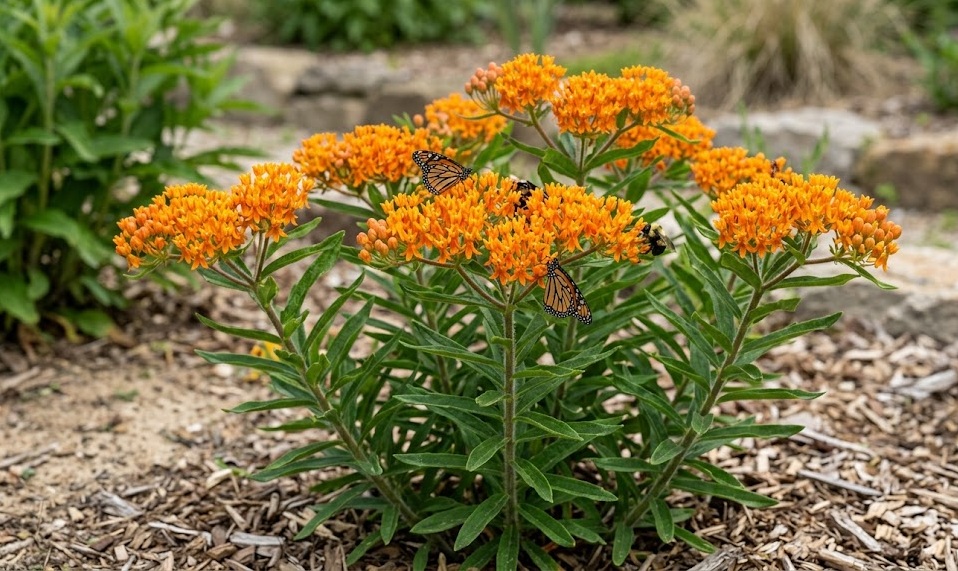

Proper pruning techniques are essential for maintaining the aesthetic appeal and the biological health of your perennial borders. While this species does not require the intensive shearing that some other garden plants do, targeted interventions can improve its performance. Knowing when to pick up the shears and when to leave the plant alone is a hallmark of an experienced and thoughtful gardener. Each cut you make should have a specific purpose, whether it is for health, structure, or beauty.
Spring cleanup is the first major pruning task of the year and should be timed with the emergence of new growth. As the weather warms, you can remove the dead, brittle stalks from the previous season to make way for the new shoots. It is best to cut these stems down to about two inches above the soil level using sharp, clean bypass pruners. This allows the new growth to emerge without being obstructed by the old, grey debris from the winter.
Wait until you see the tiny green buds appearing at the base of the plant before you start your spring pruning. This ensures that you do not accidentally damage the crown or the emerging shoots while they are still hidden underground. Removing the old material also helps to eliminate any pathogens or insect eggs that might have overwintered on the dead stems. A clean start in the spring sets the stage for a healthy and vibrant growing season.
During the active growing season, deadheading can be used to manage the appearance and the reproductive energy of the plant. By removing the faded flower clusters before they can form seed pods, you may encourage the plant to produce a secondary flush of blooms. Cut the flower stem back to the first set of healthy leaves below the spent blossom to maintain a neat appearance. This practice keeps the plant looking fresh and extends the period of color in your garden.
Late season management and structural integrity
In the late summer, you may choose to leave the final round of seed pods on the plant for their unique visual interest. These pods have a sculptural quality that can be quite striking as they mature and eventually split open to reveal silky seeds. If you do not want the plant to self-seed throughout your garden, you should remove the pods just as they begin to turn brown. This gives you control over the population density of the species in your specific landscape design.
More articles on this topic
Autumn pruning is a subject of debate among professional horticulturalists, with many favoring a “leave it alone” approach. Cutting the plant back to the ground in the fall can remove the protective cover that helps the crown survive the winter. Furthermore, the hollow stems provide valuable habitat for native bees and other beneficial insects during the cold months. If you prefer a tidier look, you can cut the stems back halfway, leaving some structure for the local ecosystem.
If a plant has become excessively leggy or has flopped over after a storm, a more aggressive mid-season cut can be beneficial. You can reduce the height of the stems by about a third in early summer to promote a more branched and compact growth habit. While this may delay the flowering by a week or two, it results in a sturdier plant that is less likely to need staking. This technique is particularly useful for plants grown in soil that is a bit too rich.
The final cut of the year usually happens in the very late winter or early spring, completing the annual cycle of maintenance. Always ensure that your tools are sterilized with alcohol or a mild bleach solution between plants to prevent the spread of disease. Professional-grade tools make the job easier and ensure that the cuts are clean, which helps the plant heal more quickly. By following these simple pruning guidelines, you ensure that your perennials remain a highlight of your garden for many years.